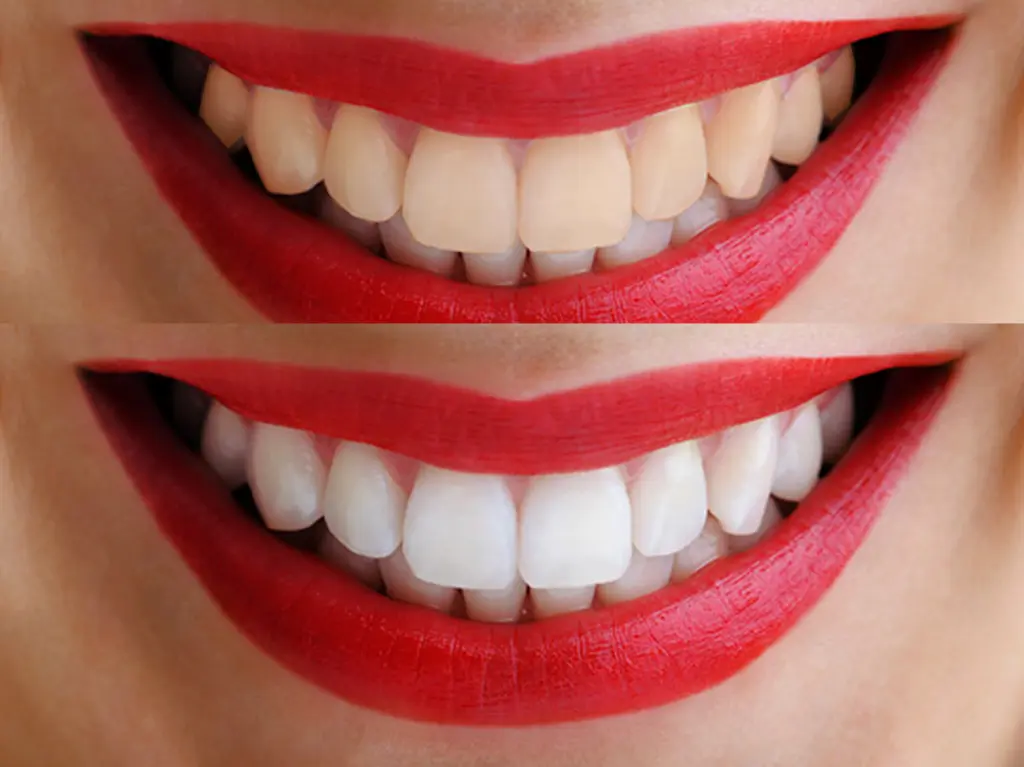
Tooth whitening is a dental procedure performed under medical supervision to make the tooth color appear lighter and more aesthetic. Clinical tooth whitening, the Zoom whitening system, laser whitening, and at-home whitening trays are selected based on the patient's dental structure, the underlying cause of discoloration, and sensitivity risks.
Table of Contents
OpenThe yellowing of teeth does not always imply poor hygiene. Smoking, tea, coffee, aging, certain medications, the structure of tooth enamel, and previous treatments can all affect tooth color. Therefore, a professional dental examination is essential before undergoing any tooth whitening procedure.
The objective of tooth whitening is not to create an artificial or unnatural whiteness. The goal is to achieve a cleaner, lighter, and more natural-looking tooth shade that harmonizes with the patient's unique dental structure.
What is Tooth Whitening?
Tooth whitening is an aesthetic dental procedure that utilizes specialized bleaching gels to lighten the shade of teeth. This process can be performed clinically in the office, using at-home customized trays, or through a combination of both methods. The most appropriate approach is selected based on the baseline color of the teeth, periodontal condition, and individual sensitivity risks.
Tooth whitening goes beyond merely removing superficial stains from the surface of the tooth. The primary objective is to alter and lighten the intrinsic shade of the tooth, which fundamentally distinguishes this procedure from professional dental cleaning.
Tooth whitening is commonly considered in the following scenarios:
- When teeth appear yellowed, darkened, or discolored;
- When smoking, tea, or coffee consumption has altered the tooth shade;
- When a patient desires a noticeably lighter and brighter smile;
- When the tooth shade remains dark even after a professional dental cleaning;
- When tooth color must be harmonized prior to cosmetic dental restorations;
- When a cleaner, brighter smile is desired ahead of special events, weddings, or photoshoots.
Tooth whitening does not yield identical results for everyone. Certain tooth structures respond and lighten more rapidly, while specific types of deep discoloration can be more resistant to change. Therefore, establishing realistic expectations during the pre-treatment consultation is paramount.
Why Do Teeth Turn Yellow?
Teeth can discolor or turn yellow due to smoking, tea, coffee, chromogenic beverages, aging, the structural density of enamel, certain systemic medications, and previous endodontic or restorative treatments. Sometimes the problem is confined to extrinsic surface stains, while in other cases, the discoloration originates from the deeper intrinsic layers of the tooth. Identifying the root cause of yellowing is crucial before initiating treatment.
Patients often note: "I had my teeth cleaned, but they still do not look white." In these instances, the issue extends beyond dental calculus and superficial staining. If the baseline intrinsic shade of the tooth is naturally dark, professional scaling and polishing alone will not suffice.
For example, a patient with a long history of tobacco use who consumes multiple cups of coffee daily must first undergo professional scaling to clear surface calculus and extrinsic stains. If the underlying tooth shade remains dark post-cleaning, a dedicated tooth whitening protocol can then be planned separately.
The primary factors contributing to the yellowing of teeth include:
- Tobacco use and smoking;
- Frequent consumption of tea and coffee;
- Intake of highly pigmented or carbonated beverages;
- Suboptimal or inadequate oral hygiene;
- The gradual thinning of enamel associated with aging;
- Side effects of specific medications;
- Dental trauma or internal injury to the tooth;
- Aged dental fillings and older restorations;
- Genetic factors influencing enamel development.
The critical factor here is isolating the specific cause of discoloration. If the issue is strictly superficial staining, a professional dental cleaning combined with Air Flow therapy may be completely sufficient. However, if the inner structure of the tooth is darkened, professional tooth whitening becomes the indicated choice.
How is Clinical Tooth Whitening Performed?
Clinical tooth whitening is an in-office bleaching method performed within a dental cabinet under strict professional supervision. Prior to the procedure, the dentist thoroughly evaluates the teeth, gingival tissues, presence of dental caries, structural integrity of fillings, and baseline sensitivity levels. Subsequently, the gingiva is isolated and protected, the whitening gel is applied, and the entire process is monitored by the clinician.
In-office clinical whitening offers a significantly higher level of clinical control compared to over-the-counter or unmonitored home remedies. The clinician directly manages the gel’s contact with oral tissues, controls exposure times, and monitors patient comfort regarding sensitivity, ensuring a safe and predictable outcome.
Clinical tooth whitening typically follows these structured steps:
- Initial clinical examination and consultation
- Assessment of baseline tooth color and shade matching
- Evaluation of dental caries and periodontal/gingival health
- Professional dental cleaning and scaling (if clinically required)
- Isolation and protection of gingival tissues and soft mucosa
- Application of the professional whitening gel to the tooth surfaces
- Activation of the gel using Zoom, laser, or alternative light systems
- Evaluation of the immediate post-treatment shade results
- Detailed explanation of post-operative sensitivity and home-care protocols
- Application of remineralization therapy if indicated
Clinical tooth whitening does not produce identical durations or intensities of results for every patient. The initial shade, the root cause of discoloration, and the overall structural integrity of the enamel heavily influence the final therapeutic outcome.
What is the Zoom Whitening System?
The Zoom whitening system is an advanced method of clinical tooth whitening performed entirely within a dental office. This technique pairs a specialized, high-concentration bleaching gel with a dedicated light-activation system. Prior to initiating the cycle, the gums are fully isolated, the overall health of the teeth is verified, and the final outcome depends on the patient's baseline tooth shade.
The Zoom whitening system is highly sought after by patients seeking professional clinical results. This preference is driven by the fact that the entire procedure is conducted in a controlled environment under medical supervision, delivering visible shade improvements in a single compressed session.
During a Zoom whitening session, the dentist first applies a protective barrier to isolate the gingiva and vulnerable soft tissues. The whitening gel is then systematically applied to the target surfaces and activated by the system's specialized light source. The duration of the session and the number of cycles are carefully calibrated to match the patient's unique profile.
The Zoom whitening system is typically indicated in the following circumstances:
- When a patient requires rapid, visible results in a short period;
- When generalized, uniform yellowing is present across the dentition;
- When the tooth shade remains dark following a professional scaling and hygiene appointment;
- When the clinician determines that an in-office clinical whitening approach is safe and appropriate;
- When a patient prefers to avoid the long-term daily compliance required by at-home trays.
The Zoom whitening system does not produce an identical, universal shade of white for every individual. The degree of shade reduction is tightly bound to the initial baseline color, enamel morphology, and the post-treatment dietary habits of the patient.
How is Laser Tooth Whitening Performed?
Laser tooth whitening is another highly efficient clinical whitening technique executed within the dental cabinet. In this procedure, a professional-grade bleaching gel is applied to the tooth surfaces and subsequently activated using targeted laser light energy. Patient candidacy is meticulously verified by the dentist based on tooth sensitivity, periodontal health, the presence of caries, and the specific classification of the discoloration.
Laser whitening is widely recognized for its speed and efficiency as an in-office dental whitening solution. However, this does not automatically make it the absolute best choice for every individual scenario. For certain patients, Zoom whitening may be preferred, while for others, at-home custom trays offer a safer, more progressive alternative.
Key clinical parameters of laser tooth whitening include:
- The procedure is entirely performed in a clinical office setting;
- Gingival tissues must be completely isolated and protected;
- The whitening gel is applied and manipulated exclusively by the clinician;
- A specialized light/laser system activates the chemical potency of the gel;
- The inherent risk of temporary sensitivity must be evaluated in advance;
- The final shade progression remains highly individualized.
Marketing claims stating that laser whitening is "completely painless," "universally suitable for everyone," or "delivers permanent, lifelong results" are clinically inaccurate. A scientifically sound approach dictates that the clinician must evaluate the teeth and gums first, and then select the specific whitening modality best suited for that patient.
How is At-Home Tooth Whitening Performed?
At-home tooth whitening should be conducted strictly using custom-fitted trays manufactured by a dentist, paired with professional-grade whitening gels prescribed by the clinician. The patient dispenses a calibrated amount of gel into the tray and wears it for a specified duration. Utilizing over-the-counter, unvetted whitening kits without professional guidance can lead to severe gingival irritation and acute dentin hypersensitivity.
True at-home whitening does not mean "whitening your teeth at home by any unverified method." The defining differences are the use of an anatomically precise custom tray, a scientifically determined gel concentration, and ongoing clinical monitoring. Ill-fitting, generic trays allow the bleaching gel to escape onto the marginal gingiva, causing chemical irritation and localized discomfort.
At-home tooth whitening is typically indicated in the following contexts:
- When a patient prefers a gradual, stepped shade progression over several days;
- When it is necessary to stabilize or maintain the results achieved by a prior in-office clinical whitening session;
- When the dentist assesses that the patient's dental and periodontal health is fully compatible with home bleaching;
- When the patient demonstrates the compliance needed to follow the prescribed tray instructions;
- When baseline sensitivity risks have been thoroughly evaluated and managed.
This whitening modality places a high degree of clinical responsibility on the patient. Artificially increasing the volume of gel used, extending the wear time beyond instructions, or mixing the treatment with unauthorized over-the-counter products can jeopardize dental health.
Why is the Excessive Use of Whitening Gel Harmful?
Applying more whitening gel than prescribed or exceeding the recommended wear time does not accelerate or improve the final aesthetic result. Instead, it significantly increases the risk of gel escaping onto the gums, causing chemical burns, localized inflammation, and severe tooth sensitivity. Therefore, the bleaching agent must be used strictly in the exact amounts and durations outlined by the dentist.
Patients occasionally assume that "more gel equals faster whitening." This is a fundamental misconception. The clinical efficacy of a whitening treatment is not governed by multiplying the volume of the product, but rather by ensuring consistent, precise application under controlled conditions overseen by a dental professional.
If a patient experiences acute pain, burning sensations, distinct blanching (whitening) of the gums, redness, or extreme sensitivity to temperature, they must immediately discontinue tray usage and contact their dentist. At-home whitening remains safe and controlled only when instructions are meticulously followed.
What is the Difference Between Zoom, Laser, and At-Home Whitening?
While Zoom, laser, and at-home whitening all share the same cosmetic goal, they differ substantially in their application protocols, levels of clinical control, treatment durations, and patient compatibility profiles. The selection of the optimal method depends heavily on the patient's natural tooth shade, systemic sensitivity risks, periodontal health, and lifestyle expectations.
The patient's primary inquiry should not focus on "which method is the most powerful." A far more accurate and clinically relevant question to address is: which specific tooth whitening modality is safest and most effective for my unique dental structure, sensitivity threshold, and long-term goals?
| Method | Where is it performed? | Primary Advantage | Critical Consideration |
|---|---|---|---|
| Zoom Whitening System | In the dental office | Highly controlled; delivers rapid results in a single session | Baseline sensitivity risks must be evaluated in advance |
| Laser Whitening | In the dental office | Applied and monitored directly by the clinician | May not be clinically indicated for all dental profiles |
| At-Home Custom Trays | At home, via clinical instructions | Allows for gradual, customized shade progression | Requires strict compliance with gel volume and wear time |
| Combined Approach | In-office session + at-home maintenance | Stabilizes and prolongs long-term aesthetic outcomes | Should be chosen exclusively under professional guidance |
In certain scenarios, an immediate in-office session is the ideal choice, whereas for other dental profiles, a progressive at-home custom tray system is more clinically sound. If a patient presents with acute dentin hypersensitivity, active untreated caries, or marginal gingivitis, these therapeutic issues must be completely resolved before any whitening protocol can begin.
How Does Tooth Whitening Differ from Professional Dental Cleaning?
Tooth whitening is strictly designed to chemically lighten the internal shade of the teeth, whereas a professional dental cleaning mechanically removes calcified dental calculus (tartar), soft plaque, bacterial biofilms, and extrinsic surface stains. Following a thorough scaling, teeth will naturally appear cleaner and brighter, but this should not be confused with a chemical whitening procedure.
This distinction is critical to understand, as patients frequently expect a professional cleaning to chemically alter their tooth shade. If the enamel surfaces are heavily coated with tobacco tar, tea, or coffee stains, a professional scaling will reveal the patient's true baseline color, making the smile look noticeably lighter. However, if the intrinsic base color of the tooth itself is naturally dark, a separate tooth whitening procedure must be considered.
| Parameter | Professional Dental Cleaning | Tooth Whitening |
|---|---|---|
| Primary Objective | To remove calculus, plaque, biofilm, and surface stains | To chemically lighten the internal shade of the tooth |
| Target Zone | The superficial surface of the enamel and gingival sulcus | The intrinsic crystalline structures of enamel and dentin |
| Air Flow Therapy | Highly effective at eliminating dense extrinsic stains | Does not possess chemical bleaching properties |
| Clinical Outcome | Teeth feel perfectly smooth, clean, and hygienically sound | The intrinsic shade of the teeth shifts to a lighter tone |
| Candidacy | Indicated universally as an essential preventive treatment | Selected individually following a comprehensive evaluation |
In the vast majority of clinical scenarios, a professional dental cleaning is strongly recommended prior to initiating any tooth whitening treatment. The presence of dental calculus and soft plaque forms a physical barrier on the enamel, which prevents the whitening gel from contacting and penetrating the tooth surfaces uniformly.
What Must Be Done Prior to Tooth Whitening?
Before initiating a tooth whitening procedure, the dentist must perform a comprehensive intraoral examination to evaluate the structural integrity of the teeth, health of the gingiva, presence of active caries, stability of existing fillings, presence of veneers or crowns, and baseline dentin sensitivity. If dental tartar, active decay, gingival inflammation, or severe hypersensitivity are detected, the whitening procedure must be postponed until these issues are fully resolved.
The preparation phase is just as vital to clinical success as the whitening treatment itself. Attempting to apply high-concentration bleaching gels over compromised teeth or inflamed periodontal tissues can lead to severe pain, thermal shock, and a heightened risk of chronic hypersensitivity for the patient.
Prior to approving a patient for tooth whitening, the clinician thoroughly evaluates the following variables:
- The presence of active, untreated dental caries;
- Signs of gingival bleeding, swelling, or localized inflammation;
- The volume and distribution of dental calculus and plaque;
- Whether existing fillings are located in the visible aesthetic zone;
- The presence of porcelain veneers, zirconia, or composite crowns;
- Microcracks, enamel wear, or exposed dentin surfaces;
- The patient's baseline sensitivity to thermal stimuli;
- Whether the patient's aesthetic goals and color expectations are realistic.
If a patient has older composite fillings, veneers, or crowns on their anterior teeth, they must be informed in advance that these restorative materials do not respond to bleaching agents. Consequently, to maintain a uniform smile, it may be necessary to replace these restorations after the natural teeth have been successfully lightened.
Is Post-Treatment Tooth Whitening Sensitivity Normal?
Experiencing temporary tooth sensitivity following a whitening treatment is a common clinical occurrence. Patients may note brief, sharp sensations when teeth come into contact with cold or hot liquids, or even during exposure to cold air currents. This reaction does not occur in every individual and is typically mediated by the unique anatomy of the patient's teeth, the concentration of the bleaching gel, total exposure time, and pre-existing sensitivity levels.
The potential for temporary sensitivity should always be discussed during the initial consultation. Without proper guidance, patients may mistake this transient discomfort for permanent structural damage to their enamel. In reality, post-whitening sensitivity is fully transient and can be easily managed under professional guidance.
If a patient already exhibits baseline sensitivity to cold, sweets, or routine toothbrushing prior to treatment, the dentist must select the whitening protocol with extreme caution. In these sensitive cases, cycle lengths, gel concentrations, the integration of at-home custom systems, and the immediate need for desensitizing therapies are planned with greater precision.
To mitigate post-operative sensitivity, the dentist may recommend the following measures:
- Using a specialized desensitizing toothpaste formulated for sensitive teeth;
- In-office or home application of remineralizing gels or protective varnishes;
- Temporarily avoiding foods and beverages served at extreme temperatures;
- Introducing therapeutic rest periods between consecutive whitening cycles;
- Reducing the daily wear time of at-home custom bleaching trays;
- Discontinuing the protocol immediately to re-evaluate the teeth if sensitivity becomes unmanageable.
Stating that "professional tooth whitening never causes sensitivity" is medically inaccurate. A transparent, evidence-based approach recognizes that temporary sensitivity can occur, and ensures that the clinician takes proactive steps to manage it while educating the patient on exactly what to expect.
Why is Remineralization Performed After Whitening?
Post-treatment remineralization therapy can be applied to support the structural stability of the enamel matrix and significantly reduce temporary sensitivity. This clinical step involves the application of specialized mineral-rich gels, topical varnishes, or specific home-care products recommended by the dentist, designed to facilitate a more comfortable recovery phase for the patient's teeth after bleaching.
Remineralization should not be mischaracterized as a process that instantly "rebuilds" the entire tooth structure or completely erases all sensitivity overnight. Rather, it serves as a highly effective supportive phase that replenishes essential trace minerals, stabilizes the enamel surface, and enhances overall patient comfort.
Remineralization therapy is particularly beneficial in the following scenarios:
- When a patient presents with an inherently high risk of post-operative sensitivity;
- When sharp, transient sensitivity arises immediately following an in-office whitening session;
- Throughout the active course of an at-home custom tray bleaching protocol;
- When the clinician determines that the enamel requires targeted mineral support;
- When a patient seeks to maximize oral comfort and minimize thermal responses after treatment.
Following the completion of the whitening treatment, the patient must be clearly instructed on which therapeutic toothpaste to use, which specific foods to temporarily eliminate from their diet, and when to return for their scheduled follow-up evaluation.
Who is Not an Ideal Candidate for Tooth Whitening?
Tooth whitening is not universally suitable for every patient. Individuals presenting with active dental caries, advanced gingival inflammation, severe pre-existing dentin hypersensitivity, microcracked enamel, deep structural wear, or multiple visible composite fillings, porcelain veneers, and crowns must undergo a thorough dental evaluation first. In many of these cases, the whitening procedure must be postponed.
Although tooth whitening is primarily categorized as an aesthetic procedure, the decision to proceed requires a sound medical evaluation. If active bleaching gels come into direct contact with decayed tooth structures or compromised, bleeding gums, they can cause intense pain and complications. A "one-size-fits-all" approach is clinically irresponsible.
Tooth whitening requires careful clinical consideration or postponement in the following situations:
- The presence of active, untreated dental decay;
- Inflamed, bleeding, or compromised gingival tissues;
- Severe, unmanaged dentin hypersensitivity;
- Visible cracks, structural abrasions, or severe erosion of the enamel;
- An abundance of composite fillings within the visible smile zone;
- The presence of veneers, zirconia, or porcelain crowns in the aesthetic field;
- When a patient maintains unrealistic expectations regarding the final shade outcome;
- During pregnancy and lactation, as cosmetic interventions are non-urgent;
- For patients under the age of 18, where cosmetic bleaching requires a highly conservative approach;
- When a patient is unable to follow the precise compliance guidelines required for at-home tray usage.
It is critical to remind patients that fillings, veneers, and crowns do not change color with whitening treatments. If this fact is overlooked, natural teeth will lighten while older synthetic restorations remain dark, creating an uneven and uncoordinated appearance across the smile.
How Long Do Tooth Whitening Results Last?
The longevity of a tooth whitening result depends heavily on the unique crystalline structure of the patient's enamel, their lifestyle habits regarding tobacco, tea, and coffee consumption, their standard of daily oral hygiene, and their commitment to post-treatment care guidelines. Whitening outcomes are not permanent, and gradual shade relapse or darkening will naturally occur over time. The dentist must provide clear daily protocols to help maintain the brightness of the smile.
The initial days and weeks following a professional whitening session are absolutely critical. During the first 24 to 48 hours, clinicians strongly advise patients to adhere to a "white diet," avoiding coffee, tea, dark sauces, pigmented carbonated beverages, tobacco smoke, and highly colored foods while the enamel surfaces stabilize.
To maximize the longevity of the whitening effect, patients should consider the following recommendations:
- Abstaining from smoking and tobacco products;
- Moderating the daily intake of tea, coffee, and highly pigmented liquids;
- Rinsing the mouth thoroughly with water immediately after consuming colored beverages;
- Maintaining an impeccable, correct daily toothbrushing and flossing routine;
- Adhering to regular professional dental cleaning and hygiene appointments;
- Attending scheduled check-ups and monitoring visits recommended by the dentist;
- Using touch-up at-home custom trays strictly according to professional clinical instructions.
Tooth whitening does not provide a "lifetime guarantee of whiteness." A more accurate explanation is that a properly selected whitening method, paired with excellent oral hygiene habits, will successfully preserve a lighter and brighter smile for a significantly longer duration.
What Factors Determine the Cost of Tooth Whitening?
The financial investment required for professional tooth whitening is calculated fardig for each unique clinical case and cannot be summarized by a rigid, universal flat rate. The total fee is directly influenced by the selected technique (Zoom, laser, or at-home custom trays), the number of clinical sessions required, the specific grade of whitening gel utilized, whether a prior professional dental scaling is needed, the inclusion of post-treatment remineralization therapy, and the baseline structural condition of the patient's dentition.
Every "teeth whitening" request presents distinct structural needs that require a customized treatment plan. One patient may require a comprehensive Scaling and Air Flow treatment to clear dense calculus before undergoing Zoom whitening, while another patient may be an ideal candidate for custom at-home bleaching trays alone.
The primary clinical variables affecting the cost of treatment include:
- The specific tooth whitening modality chosen for the patient;
- The integration of the specialized Zoom whitening system;
- The technical requirement for laser-activated bleaching protocols;
- The laboratory fabrication of customized, fardig at-home whitening trays;
- The specific type and concentration of professional whitening gel prescribed;
- The total number of clinical office sessions needed to achieve the target shade;
- The immediate clinical necessity for a prior professional dental cleaning;
- Targeted desensitizing or protective therapies required based on sensitivity levels;
- The application of post-bleaching remineralization agents;
- The general condition and alignment of older fillings and restorations.
A definitive and transparent fee structure can only be formulated following a direct, face-to-face intraoral clinical examination. Providing final cost quotes over the telephone is impractical, as a patient's self-described "minor yellowing" may reveal complex structural concerns, untreated decay, or dense subgingival calculus requiring prior treatment.
What Should You Look for When Choosing a Dentist for Tooth Whitening in Baku?
When selecting a dentist for a professional tooth whitening procedure in Baku, selecting a clinic based solely on the lowest price or exaggerated promises of "lightening by a specific number of shades" is clinically unwise. It is far more critical to choose a practitioner who performs a comprehensive pre-treatment periodontal assessment, clearly distinguishes between clinical whitening and routine scaling, actively manages sensitivity risks, and establishes realistic aesthetic expectations.
While tooth whitening is categorized as an aesthetic cosmetic procedure, its execution is directly linked to the structural health of your teeth and gums. Consequently, patients should evaluate the clinician's overall approach, diagnostic rigor, and commitment to safety, rather than focusing exclusively on a brand name of equipment.
Patients should consider the following vital questions during their selection process:
- Does the clinician perform a meticulous assessment of the enamel and periodontal tissues first?
- Is the diagnostic difference between intrinsic discoloration and extrinsic surface stains clearly explained?
- Are the distinct clinical roles of the Zoom system, laser whitening, and home trays clearly outlined?
- Has the dentist established a clear clinical line between a routine cleaning and a chemical whitening treatment?
- Does the provider explicitly discuss the fact that older fillings, veneers, and crowns will not change color?
- Are the potential risks of post-operative sensitivity and corresponding preventive measures fully disclosed?
- Is the clinical value of post-whitening remineralization and structural maintenance addressed?
- Are the expected aesthetic outcomes presented honestly without exaggeration?
An excellent tooth whitening result involves far more than simply applying a bleaching agent to the teeth. It relies on proper patient selection, selecting the correct method, ensuring excellent gingival health, and maintaining an honest, scientifically grounded approach.
What Does Dr. Ummahani Huseynova Focus on in Tooth Whitening Planning?
In her clinical practice, Dr. Ummahani Huseynova ensures that tooth whitening planning extends far beyond a simple observation of darkened teeth. Her comprehensive pre-treatment diagnostic protocol simultaneously evaluates the patient's baseline tooth shade, underlying gingival and periodontal health, presence of active decay, stability of older composite fillings, presence of veneers or crowns, individual sensitivity thresholds, and lifestyle expectations.
Her goal is never to simply offer a generic bleaching session. The primary clinical objective is to identify the precise underlying cause of the discoloration and select the safest, most effective, and most predictable whitening strategy uniquely tailored to that specific patient.
The diagnostic process begins with a meticulous evaluation of the patient's dental and periodontal structures. If active caries, dense tartar deposits, or signs of gingival bleeding are detected, these issues are addressed and treated prior to any whitening intervention. Applying high-concentration bleaching gels over compromised oral structures is contrary to sound medical ethics.
Following this phase, the distinct clinical attributes, advantages, and timelines of in-office whitening, the Zoom whitening system, laser whitening, and custom at-home trays are discussed transparently with the patient. Dr. Huseynova believes that every patient should fully comprehend why a specific whitening modality has been selected for them.
Within Dr. Ummahani Huseynova’s professional philosophy, tooth whitening is never treated as a superficial, isolated cosmetic procedure. Instead, it is planned as a sophisticated aesthetic dental treatment that integrates thorough clinical evaluation, precise method selection, active sensitivity management, and dedicated long-term post-whitening care to safely achieve a bright, healthy smile.
Frequently Asked Questions
What is teeth whitening?
Is teeth whitening harmful?
Is teeth whitening painful?
What is the Zoom whitening system?
What is the difference between Zoom and laser teeth whitening?
How are home-type whitening trays used?
Is tartar cleaning necessary before teeth whitening?
Does teeth whitening affect fillings?
Do veneers, zirconia, and crowns whiten?
How long does tooth sensitivity last after whitening?
What cannot be eaten after teeth whitening?
What does the price of teeth whitening depend on?
Conclusion
Tooth whitening is a highly effective, professionally monitored aesthetic dental procedure designed to lighten the shade of yellowed, darkened, or discolored teeth. The choice between clinical in-office whitening, the Zoom whitening system, laser activation, and custom-fitted at-home trays should be guided entirely by the patient's specific dental anatomy and baseline clinical health.
Prior to initiating any bleaching cycles, a thorough evaluation of the teeth, gums, existing fillings, veneers, and crowns is essential. Following treatment, a structured approach addressing sensitivity management, remineralization therapy, and adherence to dietary restrictions ensures a safe, predictable, and highly satisfying result.
If you are dissatisfied with the color of your teeth, determining whether Zoom, laser, or at-home custom trays are the safest option for your smile requires a professional intraoral evaluation. By scheduling a clinical consultation with Dr. Ummahani Huseynova, you can receive an individualized diagnostic assessment covering your enamel profile, gum health, sensitivity parameters, and a customized tooth whitening plan designed specifically for your needs.