Orthodontic brace treatment is a specialized corrective procedure applied to resolve dental crowding, misalignment, interdental spacing, and malocclusion. Throughout this therapy, teeth are progressively guided into their optimal physiological positions using a system of brackets and orthodontic archwires.
Table of Contents
OpenMisaligned teeth impact far more than just smile aesthetics. In many clinical scenarios, masticatory efficiency, daily oral hygiene maintenance, periodontal health, and occlusal function are directly compromised by these positional discrepancies.
Consequently, the decision to undergo orthodontic treatment should transcend the simple desire for "straight teeth." Orthodontic planning demands a comprehensive evaluation that simultaneously addresses maxillofacial aesthetics and long-term stomatological health.
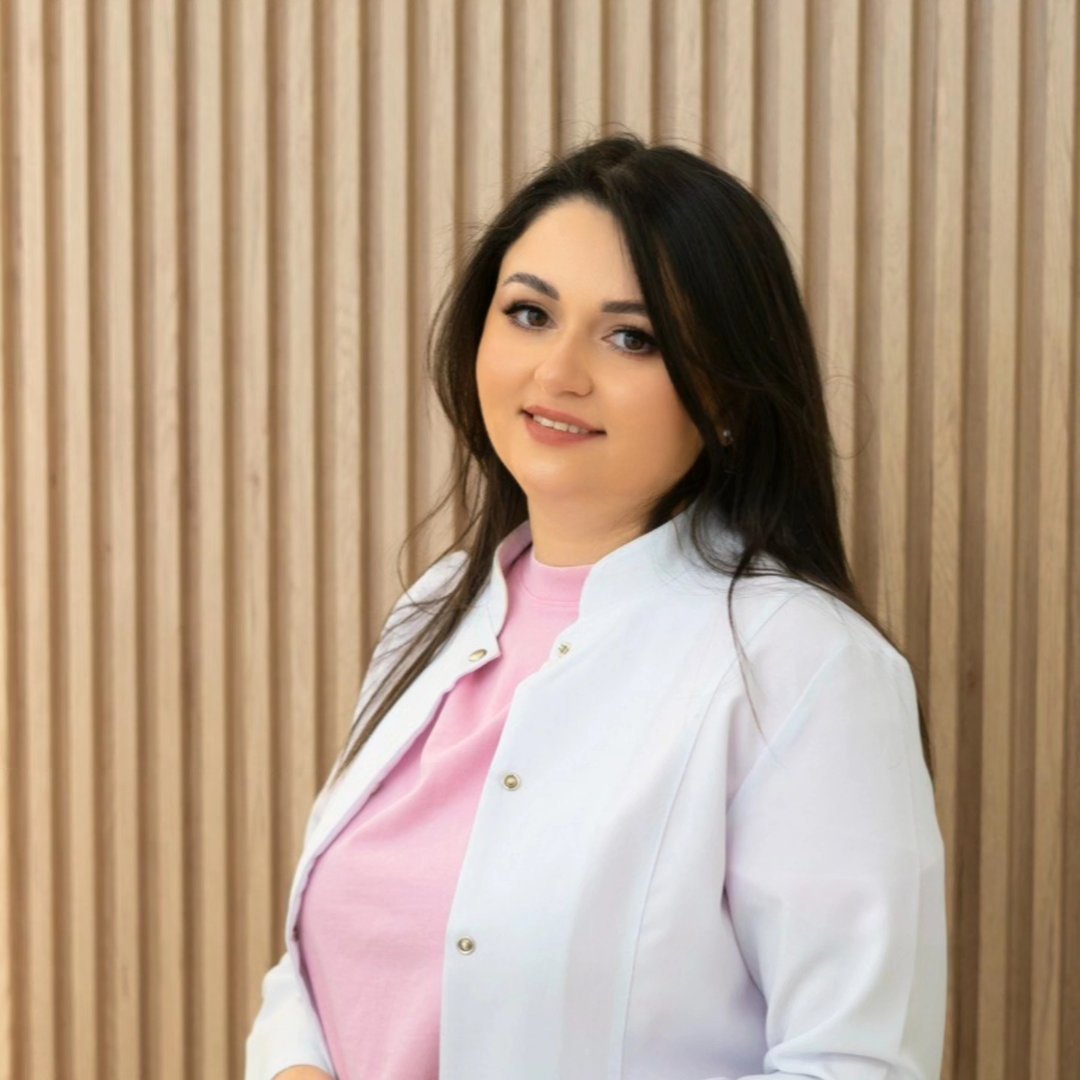
Prior to initiating orthodontic treatment at the clinic of Dr. Ummahani Huseynova, a meticulous assessment of dental alignment, occlusal relationships, jaw morphology, and the patient's aesthetic expectations is conducted. Following this comprehensive examination, a highly personalized treatment plan is engineered.
What is Orthodontic Brace Treatment?
Orthodontic brace treatment is the systematic, phased movement of teeth into correct anatomical alignment using specialized biomaterials. This modality is clinically indicated for crowding, malpositioning, diastemas, anterior protrusion or retrusion, as well as complex skeletal and dental malocclusions.
The therapeutic apparatus consists of brackets bonded directly to the tooth surfaces and an archwire that links them. Over the course of treatment, the clinician periodically activates and adjusts these archwires to exert controlled force and monitor tooth movement.
This biological remodeling is not immediate. Safe and stable displacement of teeth through the alveolar bone requires adequate physiological time. Therefore, successful orthodontic therapy demands patient compliance, regular clinical monitoring, and meticulous oral hygiene.
Who is a Candidate for Orthodontic Braces?
Orthodontic braces are suitable for patients presenting with dental crowding, malalignment, spacing issues, malocclusion, or jaw discrepancies. Candidacy cannot be determined by visual self-assessment alone; it requires a comprehensive orthodontic examination and diagnostic imaging.
Orthodontic treatment is commonly indicated in the following clinical scenarios:
- Severe crowding and overlapping of teeth;
- Rotated, tilted, or misaligned dental units;
- Pronounced protrusion or retrusion of the anterior segment;
- Interdental gaps and spacing issues (diastemas);
- Malocclusions, including overbites, underbites, crossbites, or open bites;
- Functional discomfort or joint strain during mastication;
- Aesthetic dissatisfaction with smile alignment;
- Difficulty maintaining adequate plaque control due to tight crowding.
While many patients seek orthodontic consultation solely for aesthetic enhancements, clinical examinations often reveal underlying malocclusions or structural issues that impede proper hygiene.
Thus, orthodontic intervention is routinely planned not merely to enhance facial aesthetics, but to establish long-term functional harmony.
Can Braces Correct Dental Misalignment and Malocclusion?
The vast majority of dental misalignments, crowding, and occlusal discrepancies can be successfully corrected with braces. However, because every patient presents with a unique dental and maxillofacial architecture, the definitive treatment duration, prognosis, and appliance selection can only be determined following a clinical workup.
For instance, a patient may seek treatment believing their issue is confined to a minor anterior crowding. Upon clinical and radiographic evaluation, underlying occlusal disharmonies or skeletal discrepancies may be diagnosed, proving the condition extends beyond a cosmetic complaint.
In these cases, the therapeutic strategy is designed to achieve much more than superficial leveling; it prioritizes proper intercuspation, masticatory balance, and the long-term stability of the treatment outcome.
Consequently, the definitive answer to whether braces are indicated can only be provided after a comprehensive orthodontic consultation.
What Are the Different Types of Braces?
The selection of an orthodontic appliance depends on the patient’s specific malocclusion, periodontal status, aesthetic preferences, and financial considerations. The most frequently utilized options include traditional metal braces, ceramic braces, sapphire braces, self-ligating systems, Damon braces, and lingual braces.
Each orthodontic system offers distinct biomechanical advantages and clinical considerations. Therefore, selection should never be based solely on cost or visual appearance.
The optimal appliance is selected following a detailed clinical assessment, digital panoramic or cephalometric radiography, and expert diagnostic evaluation.
Who are Metal Braces Suitable For?
Traditional metal braces remain a highly reliable standard for correcting severe crowding, complex rotations, and extensive malocclusions. Although they are highly visible, their mechanical efficiency and versatility make them a preferred choice for comprehensive corrections where functional outcomes and cost-effectiveness are prioritized over low visibility.
Metal braces comprise high-grade stainless steel brackets bonded to the labial surfaces of the teeth, threaded with an archwire. Throughout the treatment cycle, the clinician adjusts the system at regular intervals to maintain the necessary force vectors for tooth movement.
This system is ideal for patients who seek a highly effective, predictable, and structurally robust treatment modality and are less concerned with the aesthetics of the appliance during therapy.
Patients with metal appliances must adhere strictly to oral hygiene protocols, as the brackets and ligatures can act as prominent retentive sites for food debris and dental plaque.
When are Ceramic Braces Indicated?
Ceramic braces utilize tooth-colored or translucent material, making them an excellent choice for patients seeking a more discreet aesthetic alternative to metal. Because they blend with the natural enamel, they minimize the visual impact of orthodontic treatment during professional and social interactions.
This system is particularly popular among adult patients who require comprehensive orthodontic tooth movement but wish to maintain a professional appearance.
While ceramic braces offer clear aesthetic advantages, they require careful maintenance. Factors such as dietary habits, oral hygiene diligence, and the severity of the initial malocclusion must be thoroughly evaluated before selecting this option.
What are the Advantages of Sapphire Braces?
Sapphire braces represent a premium aesthetic option, manufactured from monocrystalline sapphire crystals that are entirely transparent. They offer superior clarity on the enamel surface, making them virtually invisible from a conversational distance. This system is heavily favored by individuals with high aesthetic demands.
Due to their unique light-transmitting properties, sapphire brackets do not stain or discolor over time, maintaining their pristine appearance alongside ceramic alternatives in aesthetic orthodontics.
However, sapphire brackets are not universally indicated for every malocclusion. The initial severity of the bite, required mechanical forces, and patient compliance must all be balanced during selection.
The clinical discussion regarding sapphire braces typically centers on whether clear aesthetics are the patient’s primary objective and if the material can safely withstand the planned biomechanical forces.
What is a Self-Ligating Braces System?
Self-ligating braces utilize a specialized built-in clip or slide mechanism to secure the orthodontic archwire, completely eliminating the need for traditional elastic or wire ligatures. This low-friction design allows for smooth archwire sliding and can offer a more streamlined clinical experience.
Often referred to as self-adjusting brackets, the fundamental distinction lies entirely in how the archwire is retained within the bracket slot.
While some patients believe that self-ligating systems automatically guarantee significantly faster treatment, clinical speed is determined by several factors, including bone remodeling rates, the severity of the malocclusion, and the precise execution of the clinical plan.
Thus, the selection of a self-ligating system should be guided by objective clinical indications rather than marketing generalized claims of accelerated results.
How Do Damon Braces Differ from Traditional Braces?
Damon braces are a globally recognized brand within the category of passive self-ligating orthodontic systems. This design uses a specialized slide mechanism to hold the wire, minimizing friction and allowing teeth to move with custom-tailored force vectors. The clinical choice should always favor biological suitability over brand recognition.
While frequently marketed as a premium alternative, the ultimate success of an orthodontic treatment depends on the diagnostic expertise of the clinician rather than the proprietary name of the bracket.
The Damon system can provide enhanced patient comfort and potentially longer intervals between appointments for qualifying candidates; however, these benefits vary depending on individual physiological responses.
Superlatives such as "fastest" or "guaranteed results" should be evaluated realistically. Clinically, Damon braces represent a sophisticated, modern tool that yields excellent outcomes when integrated into a properly diagnosed treatment plan.
Are Lingual Braces Ideal for Invisible Orthodontics?
Lingual braces are custom-engineered appliances bonded to the internal (lingual) surfaces of the teeth rather than the labial side. Because they are completely hidden from external view, they offer the ultimate aesthetic solution. However, their suitability depends heavily on the patient’s anatomy and specific therapeutic needs.
Commonly referred to as "hidden" or "invisible" braces, this option is highly sought after by public figures, media professionals, and adults who wish to conceal their orthodontic treatment entirely.
Despite their peerless aesthetic profile, lingual braces involve a distinct adaptation period, which may include temporary tongue irritation, minor speech alterations (lisping), and more demanding hygiene routines.
Therefore, selecting lingual orthodontics requires a balanced assessment of the patient's anatomical compatibility, adaptive capacity, and the complexity of the underlying malocclusion.
Which Type of Braces is Best Suited for You?
The most appropriate orthodontic appliance is determined by cross-referencing your specific malocclusion, periodontal status, aesthetic expectations, age, hygiene compliance, and financial budget. No single system is universally perfect. The comparison table below serves as a general guide; a definitive diagnosis can only be established during a clinical consultation.
| Brace Type | Visibility | Clinical Advantage bridge; | Key Considerations |
|---|---|---|---|
| Metal Braces | Highly visible | Extremely versatile, structurally robust, cost-effective | May not satisfy patients with high aesthetic demands |
| Ceramic Braces | Discreet | Blends naturally with tooth color for an aesthetic look | Requires diligent plaque control and careful maintenance |
| Sapphire Braces | Completely clear | Crystal-clear appearance, highly resistant to staining | Typically carries a higher financial investment |
| Self-Ligating Braces | Varies by material | Eliminates elastic ties, operates with reduced friction | Clinical benefits depend heavily on individual anatomy |
| Damon Braces | Available in metal or clear | Advanced passive self-ligation mechanism, highly engineered | Selection must be based on a comprehensive diagnostic workup |
| Lingual Braces | Completely hidden from view | Uncompromised aesthetics throughout treatment | Requires an adjustment period for speech and tongue comfort |
If aesthetics are your primary concern, clear ceramic, sapphire, or lingual systems can be explored. Conversely, if you prioritize mechanical simplicity, maximum durability, and budget optimization, traditional metal braces represent a highly dependable choice.
When dealing with severe skeletal or dental malocclusions, aesthetic preferences must remain secondary to biomechanical necessity. In such complex cases, the clinical judgment of the orthodontist is paramount.
How is Orthodontic Brace Treatment Performed?
Orthodontic treatment is a carefully staged clinical journey. It initiates with a comprehensive evaluation of dental health, bone density, and occlusion. This is followed by appliance selection, precise bonding, and continuous, calculated adjustments monitored over regular appointments.
The typical clinical workflow follows this precise sequence:
1. Comprehensive initial consultation and intraoral exam
2. Radiographic imaging (Panoramic and Cephalometric) and diagnostic analysis
3. Advanced occlusal and facial morphometric evaluation
4. Development of the formalized orthodontic treatment plan
5. Selection of the most appropriate brace system
6. Professional bonding and placement of the appliance
7. Periodic adjustment and activation appointments
8. De-bonding and removal of the braces
9. Initiation of the post-treatment retention phase
During the initial diagnostic phase, the evaluation extends far beyond superficial tooth alignment. Radicular (root) health, intermaxillary relationships, TMJ function, periodontal stability, and oral hygiene standards are thoroughly scrutinized.
Many patients require preliminary dental clearance, including professional prophylaxis (scaling), restorative therapies for caries, or periodontal stabilization before braces can be bonded. Orthodontic forces can only be safely applied to a healthy, disease-free oral environment.
During your consultation, the underlying etiology of the malocclusion is clearly explained alongside viable therapeutic pathways. Ensuring that patients understand why a specific system is chosen fosters better compliance and a more confident treatment journey.
Is Getting Braces Painful?
The actual application and bonding of braces is a completely painless procedure. However, within the first few days following placement or subsequent adjustments, patients typically experience mild pressure, dental tenderness, and generalized discomfort during mastication. These sensations are completely normal physiological responses as the periodontal ligament adapts to initial tooth movement.
During this initial phase, patients commonly describe sensations of tight pressure or mild mucosal irritation. These symptoms are transient and subside as the oral tissues adapt.
Brackets may initially rub against the inner labial or buccal mucosa. In these instances, applying medical-grade orthodontic protective wax over the offending bracket provides immediate relief.
If a patient experiences severe acute pain, a broken archwire, a loose bracket, or mucosal trauma, they should refrain from self-repair and immediately contact the dental clinic for a professional emergency appointment.
How Long Does Orthodontic Treatment Take?
The total duration of brace treatment depends on the baseline severity of the malocclusion, the biological rate of bone remodeling, the chosen appliance system, and strict adherence to scheduled adjustment appointments. Simple alignment cases can be resolved relatively quickly, whereas complex skeletal malocclusions require a longer therapeutic timeline.
Clinically, comprehensive orthodontic treatment is a phased process spanning several months to a few years. While some cases are limited to correcting simple anterior crowding, others require comprehensive modification of the bite plane, intercuspation, and jaw relationships.
Key variables dictating the treatment timeline include:
• The severity of dental misalignment and malposition;
• The degree of arch crowding or spacing;
• The presence and complexity of underlying malocclusions;
• Patient age and individual osteogenic (bone) response;
• The specific biomechanics of the selected brace system;
• Punctuality and compliance with scheduled clinical adjustments;
• Diligent oral hygiene maintenance;
• Strict adherence to the post-treatment retention protocol.
An accurate, definitive timeline can only be established following an oclussal analysis. Standardized timelines do not apply uniformly across different biological presentations.
What Factors Determine the Cost of Braces?
The financial investment required for orthodontic treatment is calculated individually for each patient. The total cost is influenced by the type of appliance selected, the complexity and duration of the case, whether one or both arches are treated, diagnostic imaging requirements, and any preliminary restorative or periodontal care. A precise quote can only be finalized after a face-to-face consultation.
The cost structure is fundamentally shaped by the following factors:
• The material and design of the brace system (metal, ceramic, sapphire, lingual);
• The complexity of the dental or skeletal discrepancy (mild alignment vs. surgical-orthodontic cases);
• Single-arch vs. comprehensive dual-arch treatment planning;
• Required diagnostic records, including digital X-rays and study models;
• The projected number of clinical adjustment visits;
• Inclusion of customized retention appliances in the final plan;
• The clinical expertise of the specialist and the technical infrastructure of the facility.
Traditional metal braces represent the most accessible financial option. Premium systems, such as ceramic, sapphire, or lingual appliances, involve a higher investment due to advanced laboratory manufacturing, specialized material costs, and the delicate nature of the clinical management required.
Patients should recognize that prioritizing lower costs over proper diagnostic planning can lead to compromised root health, irreversible periodontal damage, or unstable occlusal results. Selecting a treatment pathway should always be based on structural safety, clinical expertise, and long-term stability.
How Should Oral Hygiene be Maintained with Braces?
Maintaining exemplary oral hygiene becomes critically important once braces are bonded. The complex architecture of brackets and wires creates numerous retentive areas where food debris and bacterial plaque rapidly accumulate. Inadequate plaque control significantly increases the risk of enamel demineralization (white spot lesions), dental caries, and gingivitis.
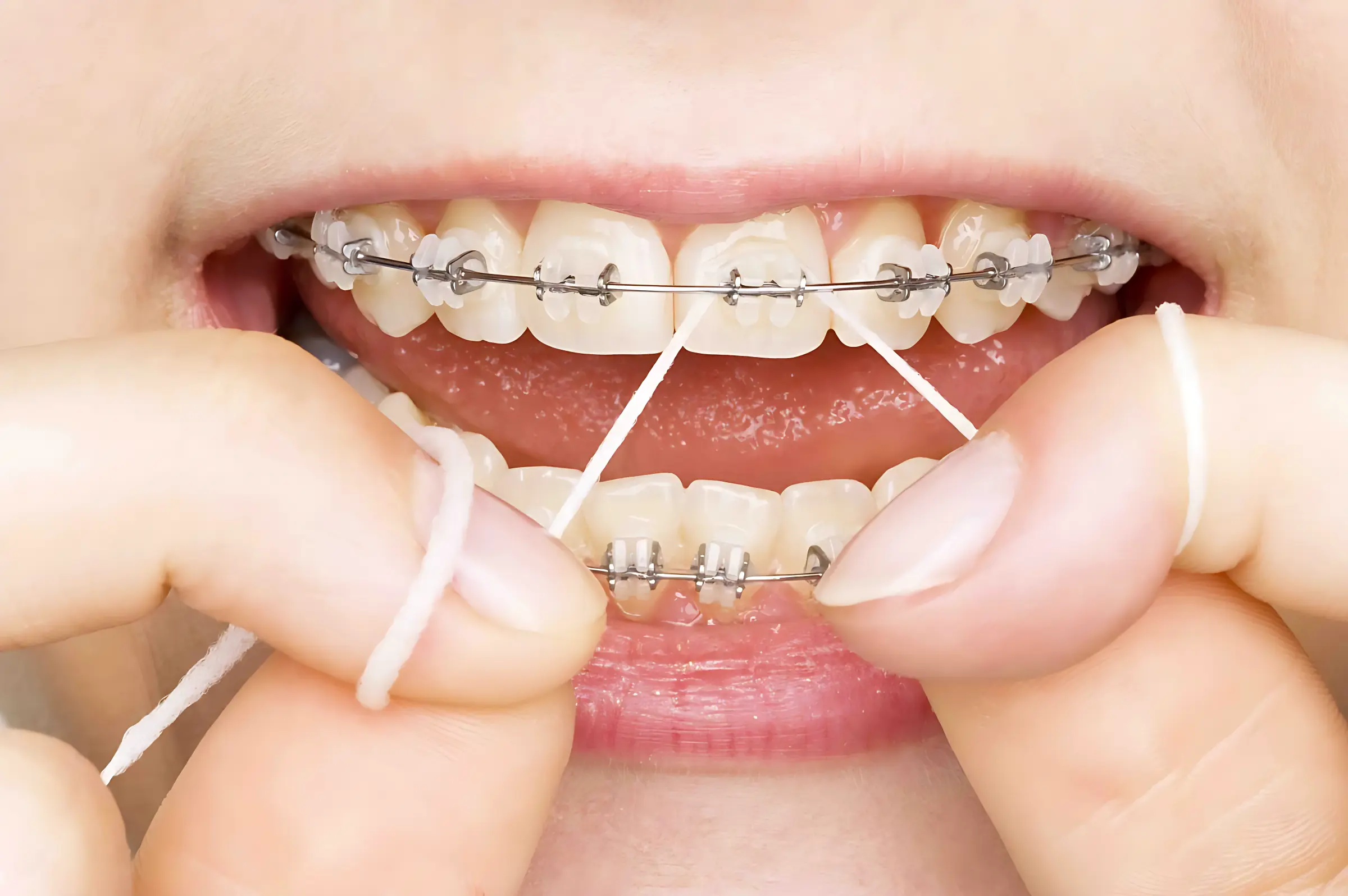
Standard tooth brushing alone is insufficient for patients undergoing orthodontic treatment. The daily protocol must incorporate specialized orthodontic toothbrushes, interdental brushes, and orthodontic floss threaders or superfloss.
Patients must strictly observe the following hygiene guidelines:
- Brush teeth thoroughly at least twice daily, preferably after every meal;
- Meticulously clean the margins surrounding each individual bracket;
- Utilize an interdental brush daily to remove plaque underneath the archwire;
- Completely avoid sticky, highly elastic, or excessively hard foods;
- Refrain from consuming whole nuts, seeds, chewing gum, and sticky candies that can fracture components;
- Attend all scheduled clinical evaluation and prophylaxis appointments;
- Contact the clinic immediately if an archwire dislodges or a bracket debonds.
The clinical success of orthodontic therapy relies as much on the patient’s daily home care compliance as it does on the clinician's biomechanical planning.
What Foods Should Be Avoided with Braces?
Patiens wearing braces must strictly avoid hard, sticky, and highly cohesive foods. These dietary items exert excessive mechanical forces that can easily debond brackets, distort or break archwires, and significantly prolong the total treatment time. Adopting a soft-food diet is highly recommended during the initial days following placement or adjustments.
The following items should be strictly avoided or modified:
- Chewing gum;
- Caramels, toffees, hard taffy, and sticky confections;
- Hard candies and lozenges;
- Biting directly into hard nuts or seeds;
- Cracking shells or hulls with the teeth;
- Hard pretzels, croutons, and crusty bread;
- Chewing on ice cubes;
- Biting directly into whole raw apples or carrots;
- Popcorn (due to hard unpopped kernels).
Nutritious hard foods like apples or carrots do not need to be entirely eliminated from the diet; they simply must be sliced into small, thin pieces and chewed carefully with the posterior teeth. The primary objective is to preserve the integrity of the appliance and prevent emergency repair visits.
Additionally, the intake of carbonated and sugary beverages should be severely restricted. While they do not break the appliance, their high acidity and sugar content accelerate plaque accumulation, raising the risk of permanent enamel decalcification around the brackets.
Why is a Retainer Critical After Braces?
The retention phase is a non-negotiable component of orthodontic treatment designed to stabilize teeth in their newly corrected positions. Once braces are removed, the surrounding bone and periodontal tissues require a prolonged period to reorganize; without a retainer, teeth will naturally undergo orthodontic relapse and drift back toward their original positions.
Retainers are prescribed as either fixed (bonded wires behind the teeth) or removable clear trays, depending on the initial malocclusion and the final clinical outcome.
Many patients mistakenly assume that their treatment concludes the moment the brackets are removed. In clinical reality, the retention phase is the most critical stage for safeguarding your long-term orthodontic investment.
Committing fully to the prescribed retention protocol ensures that your beautifully aligned smile remains stable and functional for a lifetime.
What to Consider When Choosing an Orthodontic Clinic in Baku?
When selecting a dental facility for brace treatment in Baku, financial cost should not be the sole deciding factor. The clinical experience of the provider, comprehensive diagnostic capabilities, the variety of advanced orthodontic systems offered, transparency regarding the treatment stages, and structured post-treatment retention protocols must all be factored into your decision.
When evaluating a clinic, it is highly beneficial to verify the following:
- Is a comprehensive pre-treatment cephalometric and radiographic analysis performed?
- Are the specific functional details of your malocclusion thoroughly explained to you?
- Are the structural differences between brace materials presented transparently?
- Is there a clear, all-inclusive breakdown of the total treatment cost?
- Is the projected treatment timeline realistic rather than rushed?
- Is the retention phase planned and discussed from the very beginning?
- Are patient expectations regarding treatment aesthetics managed realistically?
- Are follow-up and emergency adjustment visits organized systematically?
At the practice of Dr. Ummahani Huseynova, our focus is centered on patient education and highly precise diagnostic execution. By ensuring you thoroughly comprehend the biomechanical rationale behind your specific system, we empower you to embark on a well-informed and highly successful orthodontic journey.
Frequently Asked Questions
Patient inquiries regarding orthodontic brace treatment typically center on comfort, timeline expectations, financial costs, material differences, dietary adjustments, and retention protocols. Reviewing these frequently asked questions helps patients begin their therapy with clear, realistic expectations.
What is orthodontic brace treatment?
Who is an ideal candidate for braces?
How many months does brace treatment typically take?
Is the process of wearing braces painful?
What is the primary difference between metal and ceramic braces?
Who should consider sapphire braces?
How do Damon braces differ from traditional orthodontic systems?
Are lingual braces completely invisible?
What dietary restrictions apply while wearing braces?
Can braces cause tooth decay?
What primary variables determine the cost of braces?
Is wearing a retainer mandatory after braces are removed?
Conclusion
Orthodontic brace treatment is a multi-faceted clinical intervention engineered to deliver balanced facial aesthetics alongside optimal masticatory function. Choosing between traditional metal, ceramic, sapphire, self-ligating Damon, or hidden lingual systems must always be guided by the unique anatomical requirements of the patient, the severity of the malocclusion, and long-term diagnostic goals.
If you are exploring advanced orthodontic care and brace options in Baku, scheduling a comprehensive diagnostic evaluation is your foundational first step. During your clinical visit, your individual dental alignment, skeletal relationships, and aesthetic goals will be thoroughly evaluated to construct a precise, highly personalized orthodontic treatment plan.