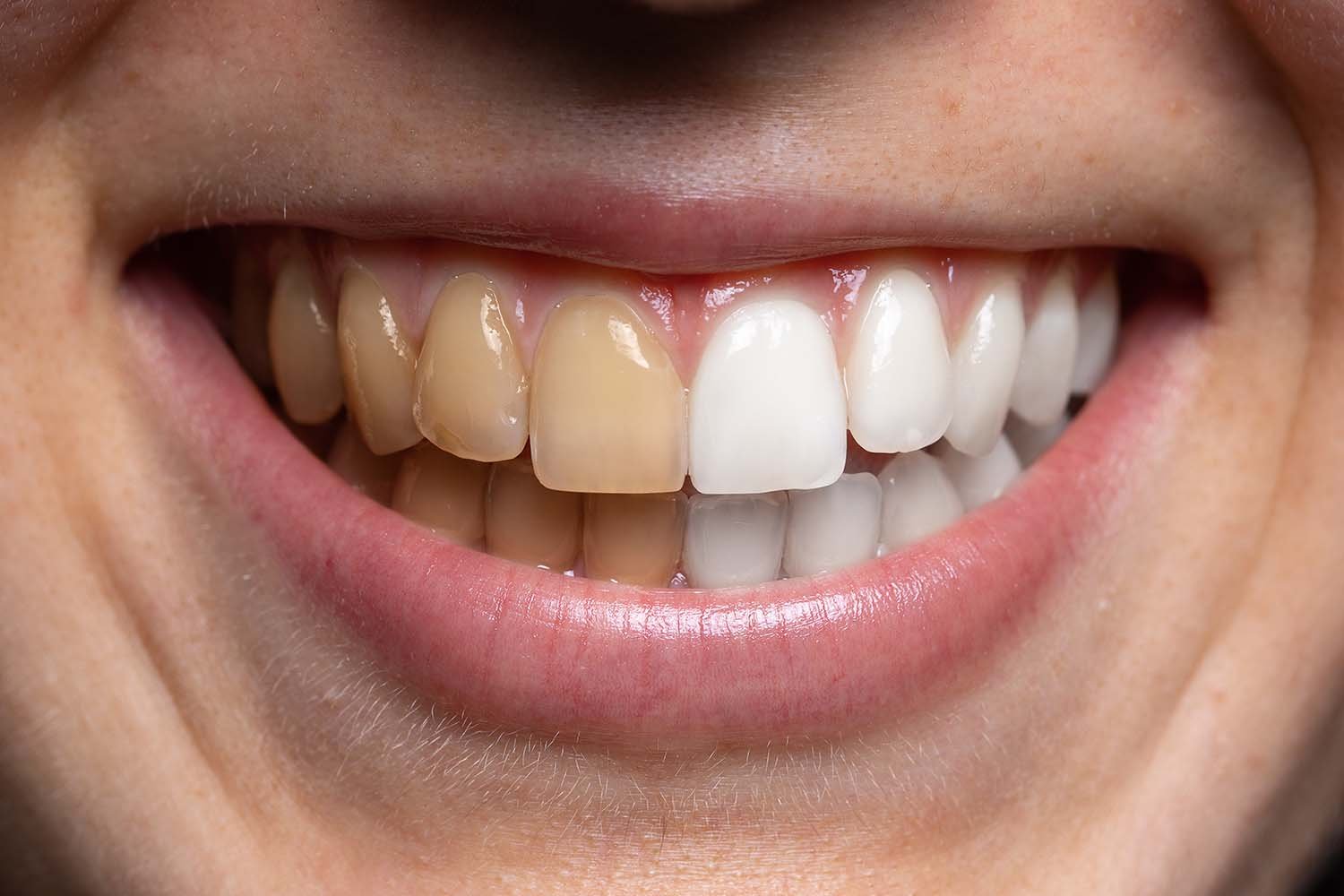
Professional teeth cleaning involves the removal of dental calculus (tartar), soft plaque, biofilm, and extrinsic stains caused by smoking, tea, and coffee, performed by a dental professional using specialized instruments. This preventive service is vital not only for enhancing aesthetics but also for maintaining periodontal health and optimizing oral hygiene.
Table of Contents
OpenWhile daily toothbrushing is the foundation of home oral care, hardened dental calculus cannot be removed at home. Plaque and calculus accumulating interdentally, along the gingival margin, and on posterior teeth can eventually lead to gingival bleeding, halitosis (bad breath), and localized discomfort.
A comprehensive professional dental prophylaxis appointment may include ultrasonic scaling to eliminate calculus, Air Flow therapy to remove biofilm and extrinsic pigmentation, dental polishing, and personalized oral hygiene instruction. The necessary clinical sequence is determined following an intraoral examination.
What is Professional Teeth Cleaning?
Professional teeth cleaning is a clinical procedure in which a dentist utilizes specialized equipment to eliminate dental calculus, plaque, biofilm, and superficial stains from the tooth surfaces and subgingival margins. This therapeutic workflow typically comprises ultrasonic scaling, Air Flow micro-abrasive therapy, mechanical polishing, and comprehensive patient education regarding proper oral hygiene techniques.
Professional prophylaxis extends far beyond a cosmetic "tooth polishing" session. The primary clinical objective is to eradicate hard and soft bacterial deposits, relieve marginal gingival irritation, and establish a clean surface anatomy that empowers the patient to maintain oral health effectively at home.
This preventive procedure is highly indicated under the following clinical conditions:
- Visible supragingival or subgingival dental calculus;
- Yellowish or brownish extrinsic tooth discoloration;
- Gingival bleeding provoked by toothbrushing or flossing;
- Persistent, unresolved halitosis (bad breath);
- A rough or uneven tactile sensation on the tooth surfaces;
- Heavy staining from tobacco, tea, or coffee consumption;
- Difficulty maintaining adequate hygiene around orthodontic brackets, dental implants, or prostheses;
- A prolonged interval since the last professional dental hygiene visit.
Professional dental cleaning is never a one-size-fits-all procedure. For certain patients, ultrasonic scaling alone is clinically sufficient, while for others, the inclusion of Air Flow therapy, rubber-cup polishing, and dedicated oral hygiene instruction is required for optimal periodontol care.
Why is At-Home Brushing Alone Insufficient?
Routine at-home toothbrushing is essential for controlling daily soft plaque formation, but it is physically incapable of removing mineralized dental calculus. Once plaque calcifies into tartar, it bonds tenaciously to the enamel matrix and cannot be dislodged with manual or electric toothbrushes, necessitating professional mechanical debridement at regular intervals.
Patients frequently report, "I brush my teeth twice daily, yet calculus still forms." This is a common physiological reality, as calculus accretion is multifactorial. It is heavily influenced by salivary flow rates and mineral composition, dental crowding or malocclusion, dietary patterns, smoking, inadequate interdental cleaning, and individual periodontal susceptibility.
Furthermore, standard toothbrushes cannot effectively access tight interproximal spaces or the lingual surfaces of the mandibular anterior teeth. Residual plaque stagnates in these stagnation areas, undergoes mineralization, and matures into calculus. Consequently, professional prophylaxis does not replace home care; rather, it supplements it.
Why Does Dental Calculus Form and Why Must It Be Removed?
Dental calculus forms when soft, unmineralized bacterial plaque remains on the tooth surface and undergoes calcification via calcium and phosphate ions found in saliva. If plaque is not mechanically disrupted within a critical window, it matures into a hard, porous structure that serves as a permanent retentive matrix for pathogenic bacteria, accelerating gingival inflammation.
Calculus accumulates preferentially along the gingival margins, on the lingual aspects of lower anterior teeth (near the submandibular salivary ducts), and on the buccal surfaces of maxillary molars. Clinically, patients often describe this as a stubborn, hard yellowish crust near the base of the tooth.
Neglecting dental calculus can lead to several oral health complications, including:
- Spontaneous or provoked gingival bleeding;
- Gingival erythema (redness) and edematous swelling;
- Chronic halitosis due to volatile sulfur compounds produced by trapped bacteria;
- A persistent rough tactile sensation on the tooth surfaces;
- Accelerated plaque accumulation within the porous tartar matrix;
- An elevated risk of gingival recession;
- Progression toward marginal gingivitis and chronic periodontitis.
Crucially, dental calculus cannot resolve spontaneously. Attempting to scrape tartar at home using sharp metallic objects, baking soda, or aggressive abrasive DIY methods poses a severe risk of irreversible enamel abrasion and marginal gingival trauma. The only safe and clinically valid intervention is a professional scaling procedure.
How is Ultrasonic Dental Scaling Performed?
Ultrasonic scaling is a fundamental clinical procedure that uses specialized scaler tips vibrating at high frequencies to shatter and mechanically detach tenacious calculus deposits from the enamel substrate. Accompanied by a continuous water irrigation system to prevent thermal damage to the pulp and flush out debris, the procedure must be executed by a skilled clinician to guarantee safety.
At the start of the scaling session, the dentist maps the distribution and depth of the hard deposits. The ultrasonic instrument is then systematically guided along the supragingival areas and gingival sulcus. If subgingival deposits are detected interproximally or in deep anatomical niches, these zones are debrided with meticulous precision.
During the treatment, patients typically experience mild vibrations, a fluid flow, and a high-pitched acoustic signature. In instances of pre-existing gingival inflammation, exposed dentin, or heavy calculus loads, transient root sensitivity or minor discomfort may occur, which generally subsides shortly after the appointment.
Ultrasonic scaling is urgently required under the following parameters:
- Presence of hardened supragingival or subgingival calculus blocks;
- Evident gingival bleeding during routine oral hygiene;
- Yellow or dark brown mineralized ledges at the cervical margins of teeth;
- Halitosis directly correlated with poor periodontal hygiene;
- An extended lapse in professional preventative dental maintenance.
When performed correctly, ultrasonic scaling does not shave or damage the underlying enamel. Its physical action is strictly designed to disrupt the bond between the calculus and the tooth structure. However, patients with severe pre-existing recession or dentinal exposure may experience brief thermal sensitivity for a few days post-treatment.
How is Biofilm and Extrinsic Pigmentation Removed via Air Flow?
Air Flow therapy is an advanced professional hygiene modality engineered to eliminate soft bacterial biofilm, superficial discoloration, and stubborn extrinsic stains resulting from lifestyle factors such as tobacco use, tea, and coffee consumption. Integrated into a prophylaxis workflow, this step renders the enamel surfaces exceptionally clean and biologically smooth.
Bacterial biofilm is an invisible, structurally organized soft layer that adheres to the teeth. Although patients may not easily detect it visually, its prolonged retention triggers localized staining, bad breath, and marginal gingival inflammation.
Air Flow technology is primarily indicated in the following scenarios:
- Dense, unappealing tobacco smoke stains;
- Dark tea or coffee pigmentation locked into surface micro-fissures;
- Generalized superficial enamel dullness or yellowing;
- Biofilm stagnation around complex orthodontic appliances and brackets;
- Preparation of the enamel substrate prior to mechanical polishing or bonding;
- Patients seeking an exhaustive, premium dental prophylaxis experience.
Air Flow is not designed for the removal of mineralized dental calculus. Dense tartar deposits must always be fractured first using ultrasonic instrumentation. Air Flow serves as an ideal secondary therapy to selectively eliminate soft matrix layers, micro-biofilms, and stubborn surface pigmenation.
Does Air Flow Whiten Teeth?
Air Flow therapy is fundamentally distinct from clinical tooth whitening (bleaching). This method functions by mechanically lifting extrinsic stains, soft plaque, and dark bio-pigments from the exterior enamel, revealing the patient's intrinsic, natural tooth shade. It does not alter the genetic internal color of the dentin nor does it involve chemical oxidation agents.
Clarity regarding this distinction is paramount for managing patient expectations. For instance, following the thorough removal of heavy tobacco or coffee overlays, teeth will visually appear significantly brighter and cleaner. However, this aesthetic improvement is a result of stain removal, not chemical bleaching.
If a patient's clinical goal is to alter their intrinsic base shade by several shades, professional dental bleaching can be discussed as a separate treatment phase following prophylaxis. Securing a clean, calculus-free substrate first ensures a uniform whitening outcome.
How are Tobacco, Tea, and Coffee Stains Managed?
Chronic use of tobacco, tea, and coffee frequently leaves behind dense extrinsic pigmentation on the enamel surfaces. Because these organic compounds bind tightly to the salivary pellicle, standard home brushing rarely achieves complete eradication. During professional clinical hygiene sessions, a combination of Air Flow, specialized prophy pastes, and ultrasonic debridement can significantly reduce or eliminate these stains.
The total clearance rate of these discolorations depends on their depth of penetration, duration of existence, and the underlying texture of the enamel surface. Freshly formed, superficial stains lift away with high efficiency. Conversely, long-standing pigments that have integrated deeper into enamel micro-defects or exposed root cementum may show less uniform clearance.
In patients who continue to smoke heavily or consume high volumes of tea and coffee, staining will inevitably recur over time. Consequently, maintaining the long-term aesthetic benefits of professional hygiene requires rigorous home care compliance and modified lifestyle habits.
As a practical example, many patients present with deep brown stains located on the lingual and interproximal surfaces of the anterior teeth. When these stains are compounded by underlying calculus, the most logical clinical protocol involves sequential ultrasonic debridement, followed by targeted Air Flow and meticulous paste polishing.
What is the Clinical Purpose of Tooth Polishing?
Dental polishing is performed as the final phase of professional teeth cleaning to ensure the enamel surfaces are left perfectly smooth and plaque-resistant. Mechanical polishing reduces any micro-roughness remaining after calculus removal, enhances surface lustrousness, and physically compromises the ability of new bacterial colonies to colonize the tooth structure.
Following ultrasonic scaling, patients often notice a textural change or raw feeling on their teeth. Polishing smooths down these microscopic irregularities, drastically reducing the post-scaling "roughness" sensation when felt with the tongue.
Dental polishing is clinically deployed to achieve the following aims:
- Smooth out microscopic defects on the enamel surface;
- Eradicate trace micro-pigmentations left behind by scaling instruments;
- Contribute to a noticeably clean, reflective dental appearance;
- Delay the re-attachment rate of soft bacterial plaque and salivary pellicle;
- Provide the patient with an immediate sensation of oral cleanliness and comfort.
Polishing should not be conflated with tooth whitening. While it successfully displays the true natural shade of the teeth by stripping away dulling residues, it does not alter internal dental shades. This operational distinction must be preserved throughout the educational text.
What are the Standard Clinical Steps of Professional Teeth Cleaning?
A professional dental cleaning workflow always commences with a comprehensive intraoral examination. The clinician systematically evaluates the volume of dental calculus, checks for signs of gingival bleeding or pocketing, assesses biofilm and stain distribution, and reviews the patient's home oral care habits. Based on these findings, an individualized sequence of scaling, Air Flow, polishing, and oral hygiene instruction is established.
The clinical trajectory is carefully customized to the patient's oral profile. One individual may present with minimal calculus but heavy extrinsic tea stains, necessitating an emphasis on Air Flow therapy. Another patient may present with extensive calculus sheets accompanied by fragile, bleeding gingival tissues, requiring delicate, phased scaling.
A typical professional dental hygiene appointment follows these sequential phases:
- Initial intraoral clinical examination
- Assessment of calculus distribution and periodontal/gingival status
- Ultrasonic scaling for hard deposit debridement
- Air Flow therapy for soft biofilm and extrinsic stain removal (when indicated)
- Mechanical polishing with prophylactic paste
- Interproximal flossing and checking of contact zones
- Personalized oral hygiene instruction and demonstration
- Clinical home-care recommendations and product selection guidance
- Determination of the appropriate recall and maintenance interval
| Procedure | Primary Objective | Main Clinical Indications |
|---|---|---|
| Ultrasonic Scaling | Removal of mineralized dental calculus (tartar) | Presence of supragingival/subgingival hard deposits at the gingival margin |
| Air Flow Therapy | Elimination of soft biofilm and superficial pigmentation | Extrinsic tobacco, tea, coffee stains and soft plaque accumulation |
| Mechanical Polishing | Smoothing and finishing of the enamel surfaces | Post-scaling surface regularization to maximize patient comfort |
| Oral Hygiene Instruction | Optimization of daily at-home oral care workflows | High calculus recurrence rates and inadequate interdental cleaning habits |
The success of professional prophylaxis does not conclude when the patient leaves the clinic. If the patient fails to maintain adequate toothbrushing, daily flossing, interdental brush usage, and tongue scraping at home, bacterial biofilms will rapidly re-establish, leading to a swift return of calculus and stains.
How Does Professional Cleaning Differ from Tooth Whitening?
Yes, professional teeth cleaning is fundamentally distinct from cosmetic tooth whitening. Prophylaxis focuses on the mechanical elimination of foreign accretions—such as tartar, plaque, biofilm, and surface ləkələr—from the exterior tooth surfaces. Conversely, tooth whitening utilizes active chemical peroxide formulations to penetrate the enamel matrix and oxidize intrinsic pigments within the dentin, altering the baseline shade.
This structural difference is vital for managing patient expectations. If a patient's main concern is dark surface stains from coffee or smoking, a professional cleaning will yield a dramatically brighter, cleaner look. However, if the baseline shade of the tooth structure itself is intrinsically dark or tetracycline-stained, professional prophylaxis will not alter that internal genetic shade tone.
| Feature | Professional Teeth Cleaning | Cosmetic Tooth Whitening |
|---|---|---|
| Primary Objective | Removal of calculus, plaque, biofilm, and surface stains | Oxidization of intrinsic dental pigments to lighten tooth shade |
| Target Area | Exterior enamel surface and gingival sulcus | Internal crystalline structure of enamel and dentin |
| Air Flow Utilization | Effectively clears extrinsic pigments and debris | Does not possess chemical bleaching capabilities |
| Clinical Outcome | A clean, smooth, and biologically healthy oral cavity | A visibly lighter and brighter intrinsic tooth shade tonality |
| Ideal Candidate | Patients with calculus build-up, staining, or gingivitis | Patients seeking to lighten their intrinsic tooth color |
The ideal clinical protocol dictates completing a professional teeth cleaning first to reveal the true baseline shade of the teeth. Following debridement, if the patient still desires a brighter smile, the dentist can accurately evaluate their eligibility for a professional chemical whitening procedure.
Why is Oral Hygiene Instruction Essential?
Personalized oral hygiene instruction is a crucial component of the hygiene appointment, vital for preserving the clinical outcomes achieved during professional cleaning. The clinician instructs the patient on validated brushing trajectories, correct dental floss manipulation, interdental brush sizing, and tongue debridement. The long-term goal is to actively slow down the re-accumulation of plaque and calculus.
Many patients who brush rigorously twice daily still present with heavy tartar loads. This paradox is frequently rooted in improper brushing mechanics, a complete lack of interdental cleaning, or the selection of an inappropriate toothbrush style for their specific anatomy.
A comprehensive oral hygiene instruction phase covers the following areas:
- The precise angles and stroke directions for effective manual or electric brushing;
- Techniques for safely cleaning the vulnerable gingival sulcus area;
- Correct manipulation of dental floss to avoid gingival snapping or trauma;
- Appropriate sizing and usage parameters for interdental brushes;
- The clinical significance of tongue cleaning for halitosis control;
- Dietary and behavioral modifications to minimize tobacco, tea, and coffee staining;
- Identification of early symptoms that necessitate a prompt follow-up evaluation.
The longevity of a professional teeth cleaning outcome depends directly on the patient's daily home compliance. Exceptional clinical work within the office must be sustained by proper daily hygiene habits at home.
How Frequently Should Professional Prophylaxis Be Scheduled?
The optimal recall frequency for professional dental cleanings is determined individually based on the patient's calculus crystallization rate, periodontal status, tobacco habits, and the presence of orthodontic hardware or complex implant reconstructions. While a 6-month recall is a standard recommendation for many healthy patients, this window must be compressed or expanded based on individual risk profiles.
Certain individuals possess salivary chemistry high in calcium ions, causing plaque to mineralize into calculus exceptionally quickly. Conversely, patients with optimal oral hygiene and lower mineral saturation may require cleanings less frequently. Factors such as chronic gingival bleeding, history of periodontitis, heavy smoking, and fixed braces will significantly alter the dental recall timeline.
An accelerated recall schedule (e.g., every 3 to 4 months) is frequently indicated for:
- Rapid and aggressive dental calculus formers;
- Patients presenting with chronic or persistent gingival bleeding;
- Active smokers or tobacco users;
- Individuals undergoing fixed orthodontic (braces) therapy;
- Patients with complex implant-supported fixed bridges or extensive overdentures;
- Individuals exhibiting elevated clinical risks for periodontitis;
- Patients suffering from recurrent, plaque-induced halitosis.
The final decision regarding recall intervals rests entirely with the treating dentist. Applying a generic scheduling rule to all patients is clinically flawed; a patient's periodontal and hygiene status must be reassessed at each visit to fine-tune their maintenance schedule.
Who Benefits Most from Professional Teeth Cleaning?
Professional teeth cleaning is highly indicated for patients experiencing visible calculus accumulation, heavy extrinsic staining, gingival bleeding, chronic halitosis, tobacco use, and suboptimal interdental care habits. Additionally, individuals managing fixed orthodontic appliances, dental implants, or complex prosthetic work require professional hygiene to safeguard their investments.
This therapy is a foundational component of preventative dentistry, not merely an aesthetic luxury. Stripping away hard and soft toxic deposits relieves the bacterial load on the gingival tissues, resolves localized inflammation, and gives the patient a clean oral slate to maintain at home.
Professional prophylaxis is strongly recommended for the following patient cohorts:
- Regular smokers and tobacco users;
- Individuals with a high dietary intake of tea, coffee, or highly pigmented foods;
- Patients experiencing provoked or spontaneous gingival bleeding;
- Individuals seeking a clinical resolution for persistent bad breath;
- Patients currently undergoing orthodontic treatment with fixed brackets;
- Individuals with dental implants, single crowns, or extensive bridge reconstructions;
- Patients predisposed to accelerated dental calculus crystallization;
- Individuals who have neglected professional dental check-ups for over a year;
- Patients noting a rough, tactilely unpleasant film or stain on their dentition.
Even if a patient requests an appointment solely for a "brighter appearance," the clinician must conduct a comprehensive assessment. Periodontal pockets, subgingival calculus deposits, interproximal zones, and daily hygiene patterns must all be factored into the overall treatment plan.
What Clinical Factors Determine the Cost of Calculus Removal?
The financial investment required for professional teeth cleaning is computed individually for each clinical case and cannot be summarized in a rigid flat rate. The total fee is determined by the volume and distribution of dental calculus, the necessity for Air Flow therapy, the inclusion of multi-stage polishing, the pre-existing state of the gingival tissues, stain depth, and whether the treatment requires multiple appointments to achieve therapeutic success.
The primary clinical variables affecting the final cost include:
- The absolute volume and density of the dental calculus deposits;
- Whether the calculus is situated strictly supragingivally or extends subgingivally;
- The clinical requirement for specialized Air Flow micro-abrasive processing;
- The severity of dense tobacco, tea, or coffee staining across all quadrants;
- The type of polishing agents and specialized finishing cups required;
- The presence of severe gingival inflammation or tenderness requiring delicate handling;
- The total clinical time and number of sessions needed to achieve oral sanitation;
- The requirement for supplementary diagnostics or diagnostic imaging;
- The overall baseline complexity of the patient's oral hygiene profile.
An accurate, transparent cost estimate can only be formulated after a direct, in-person intraoral assessment. Providing a definitive fee over the phone is clinically impractical, as a patient's description of "minor calculus" may reveal extensive subgingival deposits requiring meticulous debridement upon examination.
What Should You Look for When Choosing a Dentist for Professional Teeth Cleaning in Baku?
When selecting a dentist for professional teeth cleaning in Baku, relying exclusively on the lowest price point is clinically imprudent. Patients should look for a clinician who performs a comprehensive periodontal evaluation, clearly differentiates between the roles of ultrasonic scaling and Air Flow, executes polishing carefully, and prioritizes detailed oral hygiene education.
While prophylaxis may seem routine, improper technique can result in avoidable dentinal hypersensitivity, incomplete calculus removal, and unmet patient expectations. A highly competent clinician will transparently outline each step of the procedure and explain the anticipated therapeutic outcomes before treatment begins.
When selecting a dental professional, patients should consider the following questions:
- Does the clinician thoroughly evaluate the health of the gingival and periodontal tissues?
- Is the diagnostic difference between mineralized calculus and extrinsic staining clearly communicated?
- Are the individual purposes of ultrasonic scaling and Air Flow explained comprehensively?
- Is the clinical distinction between a professional cleaning and cosmetic bleaching made clear?
- Is a meticulous finishing and polishing phase integrated into the workflow?
- Are customized, evidence-based home care protocols clearly explained?
- Does the dentist take the time to demonstrate proper flossing and interdental brush selection?
- Is an appropriate, personalized recall frequency established and communicated?
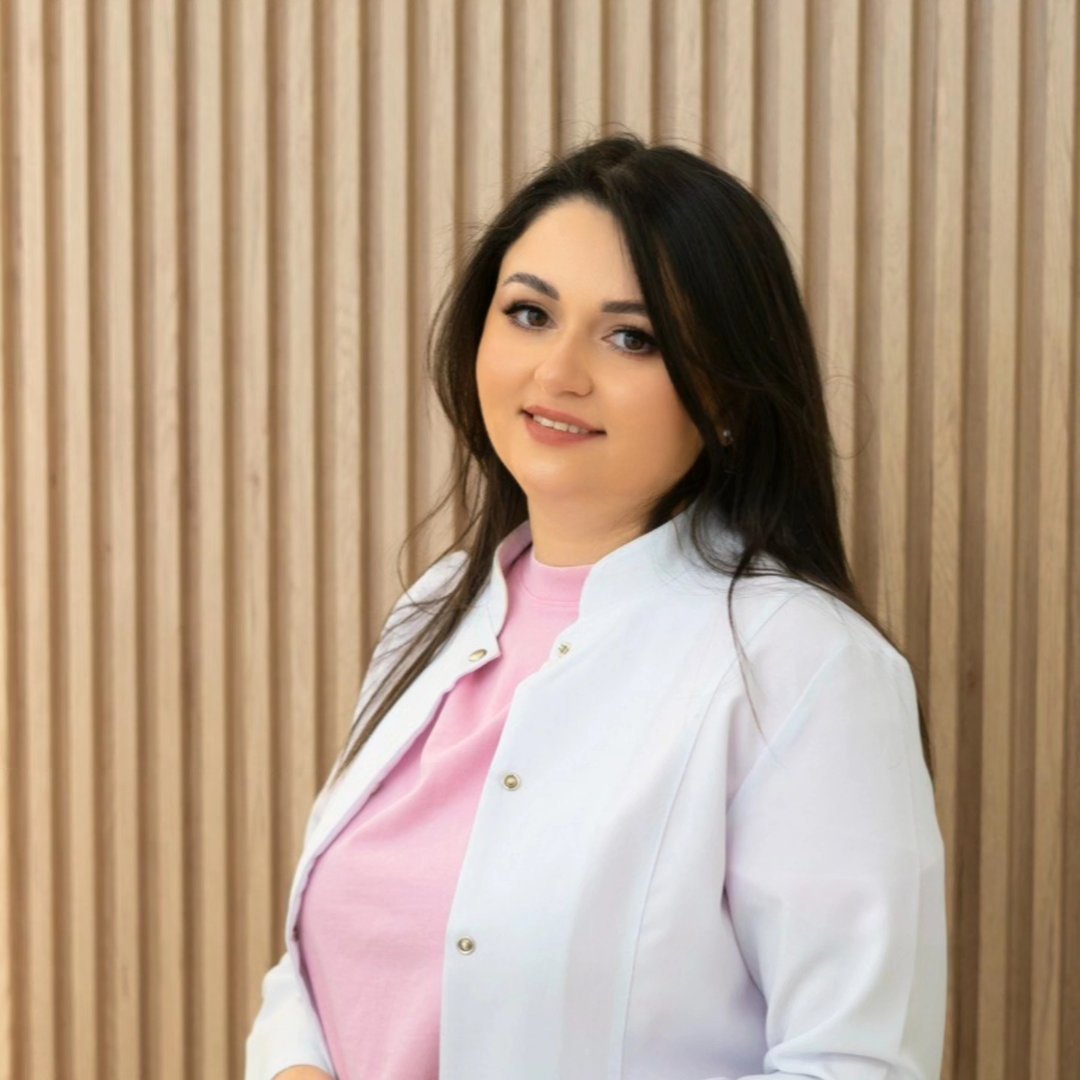
What is Dr. Ummahani Huseynova’s Clinical Approach to Professional Teeth Cleaning?
In her clinical practice, Dr. Ummahani Huseynova ensures that professional teeth cleaning goes far beyond simply removing visible tartar. Her comprehensive evaluation simultaneously accounts for gingival bleeding indices, primary calculus stagnation fields, invisible bacterial biofilms, stubborn tobacco and coffee stains, interproximal architecture, and the patient's current daily oral hygiene habits.
The ultimate goal is not merely to perform a mechanical procedure, but to uncover the systemic causes behind rapid calculus formation and heavy staining, while identifying any flaws in home care that may compromise long-term oral health.
The appointment begins with an assessment of the patient's gingival status. If acute bleeding, edematous swelling, or deeper periodontal issues are detected, the professional cleaning is carefully adapted, and any necessary periodontal treatments are integrated into the overall plan.
Following this, the ideal combination of ultrasonic scaling, Air Flow therapy, paste polishing, and oral hygiene instruction is selected. The clinical reasoning behind each stage is explained to the patient in clear, straightforward terms.
Under Dr. Ummahani Huseynova’s medical philosophy, professional teeth cleaning is treated not as a superficial cosmetic treatment, but as a critical, foundational preventative intervention designed to protect long-term oral health and systemic well-being.
Frequently Asked Questions
What is professional teeth cleaning?
Is dental calculus removal painful?
Does ultrasonic scaling damage tooth enamel?
Does Air Flow whiten the teeth?
What is the difference between professional cleaning and tooth whitening?
Can Air Flow completely remove tobacco, tea, and coffee stains?
Why is mechanical tooth polishing performed?
How often should I get a professional teeth cleaning?
Are there any dietary restrictions immediately after a professional cleaning?
Can I have my teeth professionally cleaned if my gums are bleeding?
Is Air Flow safe for patients wearing orthodontic braces?
What dictates the final cost of a professional dental hygiene procedure?
Conclusion
Professional teeth cleaning is a fundamental preventative dental service that significantly reduces the risk of dental calculus build-up, soft plaque stagnation, destructive bacterial biofilms, chronic bad breath, and progressive gingival inflammation. Prioritizing this treatment supports long-term oral health, keeping the teeth clean and the supporting periodontal structures healthy.
Through the systematic deployment of ultrasonic scaling to remove hard calculus, Air Flow to clear stubborn extrinsic stains and micro-biofilms, and mechanical polishing to achieve an optimal surface finish, this clinical workflow protects your smile. Personalized oral hygiene instruction ensures you are fully equipped to preserve these excellent results at home.
If you have visible calculus deposits, surface yellowing, or dark tobacco, tea, or coffee stains, a professional dental hygiene evaluation is an essential next step. By scheduling a consultation with Dr. Ummahani Huseynova, you can receive a personalized preventative care plan featuring advanced ultrasonic scaling, Air Flow therapy, detailed polishing, and professional oral hygiene instruction tailored precisely to your needs.