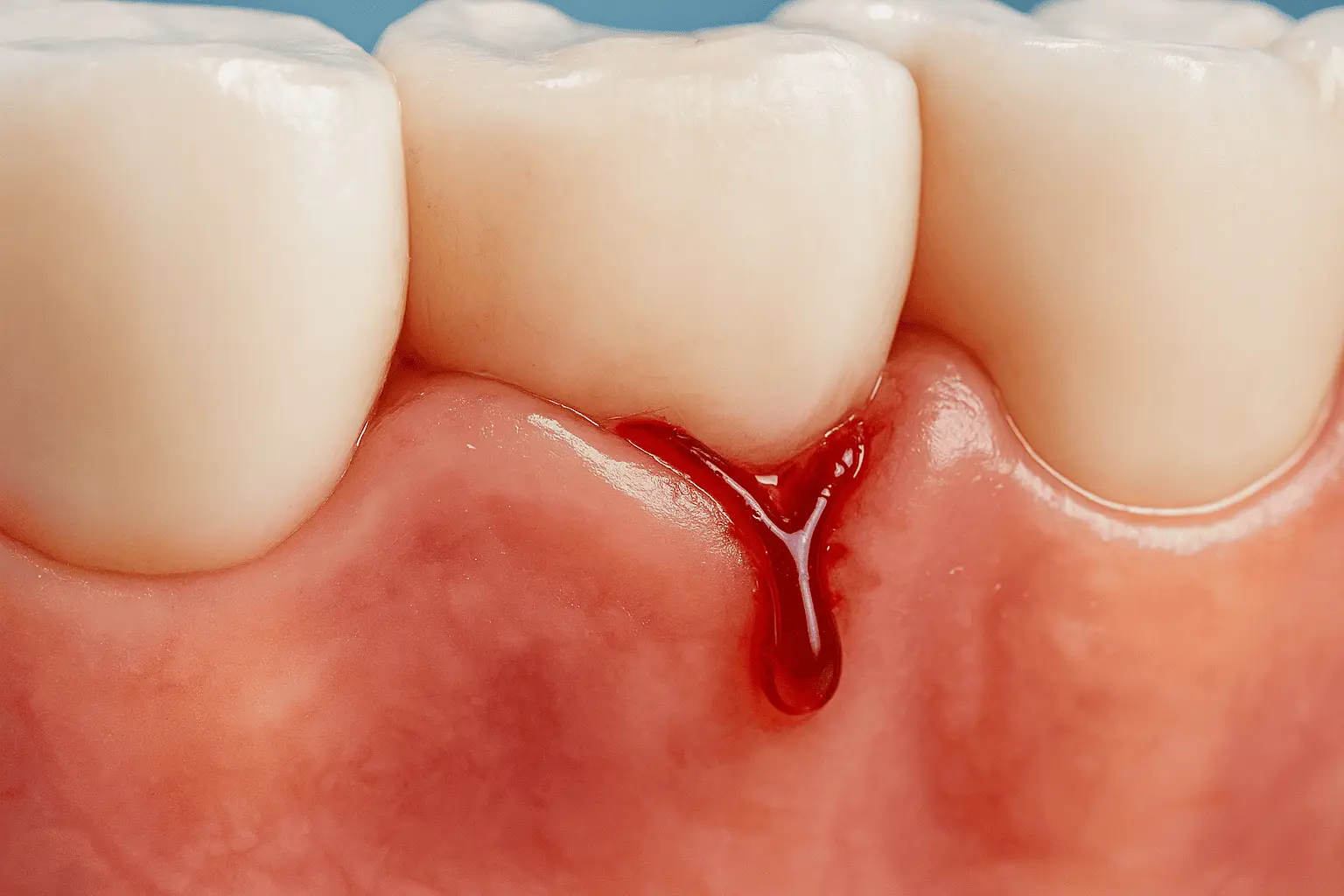
Bleeding gums are most commonly associated with gum inflammation (gingivitis) caused by bacterial plaque accumulating around the teeth. Dental calculus, periodontitis, hard brushing, newly starting interdental cleaning, hormonal changes during pregnancy, and certain medications are other factors that can cause bleeding.
Table of Contents
OpenAn isolated episode of mild bleeding does not always signal a serious problem. If you experience regular bleeding when brushing, red or swollen gums, bad breath, or spontaneous bleeding, it is important to determine the cause through a dental examination.
Are bleeding gums normal?
Healthy gums usually do not bleed during proper daily brushing. Recurrent bleeding can be one of the early signs of inflammation in the gum tissue.
At the same time, not every instance of bleeding implies gingivitis or periodontitis. People who are newly starting to use dental floss may experience bleeding in the first few days. During pregnancy, gums may react more sensitively to bacterial plaque. Blood-thinning medications and excessive brushing pressure are other factors that can increase bleeding.
If bleeding recurs regularly or does not decrease within about a week, it is advisable to clarify the cause with a dental examination.
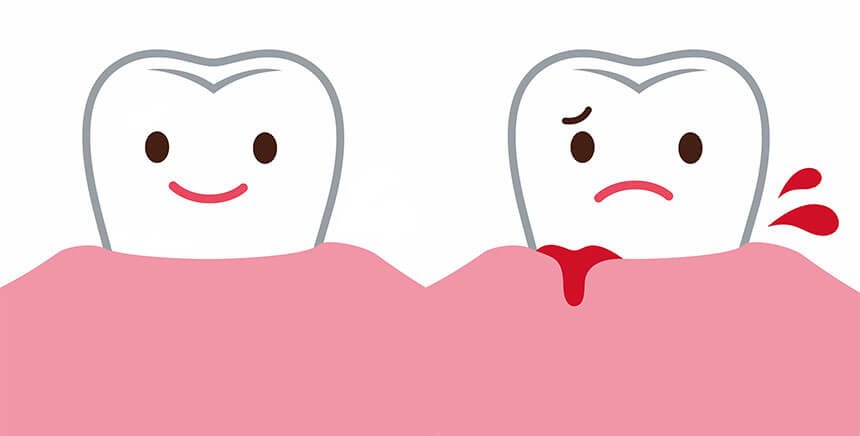
What are the main causes of bleeding gums?
Bleeding gums have various causes. In a dental examination, local causes around the teeth and gums are evaluated first.
Bacterial plaque and gingivitis
Bacterial plaque is a biofilm adhering to the tooth surface, consisting mainly of microorganisms. If not cleaned properly every day, it can accumulate at the gum line and create conditions for inflammatory reactions in the tissues.
During gingivitis, the gums can become red, swollen, sensitive, and bleed more easily during brushing. At this stage, there is no loss of bone supporting the teeth. With proper oral hygiene and professional care, gingivitis is a reversible periodontal condition.
Dental calculus
Bacterial plaque and dental calculus are not the same concept.
Plaque is a soft biofilm and can be removed with proper daily cleaning. Plaque remaining on the tooth surface can mineralize over time and turn into hard dental calculus.
Hardened calculus does not come off with regular brushing. When it remains at or below the gum line, it provides a surface for bacterial biofilm to accumulate, which can influence the persistence of inflammation.
Periodontitis
Unlike gingivitis, periodontitis is a periodontal disease accompanied by damage to the tissues supporting the teeth and loss of attachment. As the disease progresses, periodontal pockets may deepen, accompanied by gum recession, bone loss, and tooth mobility.
Not every case of gingivitis turns into periodontitis. A diagnosis of periodontitis is not made based on bleeding alone; periodontal probing, clinical attachment levels, and bone status are evaluated together.
Hard and incorrect tooth brushing
Cleaning teeth with excessive force and a hard-bristled toothbrush can cause mechanical trauma at the gum line, resulting in local bleeding and sensitivity.
In such situations, rather than stopping brushing, using a soft-bristled brush and reducing pressure is a more appropriate approach.
Newly starting interdental cleaning
A person who has not performed interdental cleaning for a long time may notice mild bleeding in the first few days when starting to use dental floss.
This type of bleeding typically decreases within about a week. If the bleeding persists, increases, or is accompanied by other changes such as gum swelling or redness, a dental evaluation is recommended.
Aggressively snapping dental floss into the gums can cause mechanical trauma, which is why interdental cleaning must be performed using the correct technique.
Pregnancy and hormonal changes
Hormonal changes during pregnancy can increase the gums' reaction to bacterial plaque, leading to gums that are more swollen, sensitive, and prone to bleeding.
Pregnancy gingivitis alters how hormone levels affect the gum's response to plaque. Maintaining oral hygiene is of special importance during this period.
Accepting gum bleeding during pregnancy as a normal condition and reducing oral cleaning is not an appropriate approach.
Blood-thinning medications
Medications that affect blood clotting can increase gum bleeding in some patients.
Patients taking such medications should not stop taking them on their own due to bleeding. If bleeding continues or noticeably increases, the medication being used should be reported to the dentist, and if necessary, consulted with the prescribing physician.
Vitamin deficiency and other general health issues
Certain vitamin deficiencies and general health problems affecting blood clotting can be associated with gum bleeding. However, automatically linking recurrent gum bleeding to a vitamin deficiency is not correct.
In the initial stage, more common local causes such as bacterial plaque, calculus, gingivitis, and periodontal disease should be investigated.
Taking vitamin supplements on your own for gum bleeding without tests and a physician's evaluation may fail to address the root cause of the problem.
If bleeding is not limited to the oral cavity and is accompanied by unexplained bruising, nosebleeds, or other hemorrhages, further medical evaluation may be necessary.
Why do gums bleed when brushing?
One of the most common reasons for bleeding during brushing is that inflamed gum tissue becomes sensitive to mechanical contact. At the gum line where bacterial plaque accumulates, tissue can become red, swollen, and bleed upon contact with the brush.
Another possibility is that the toothbrush is too hard or the teeth are being brushed with excessive force.
If bleeding recurs regularly in the same areas, if gums are red and swollen, or if bad breath develops, an examination for gingivitis and periodontal problems is advisable.
Should you stop brushing if your gums bleed?
No. Stopping oral hygiene when you see gum bleeding in most cases does not solve the problem.
If the cause of bleeding is bacterial plaque and gingivitis, failing to clean that area can allow more plaque to accumulate and inflammation to persist. The ADA recommends brushing teeth twice daily and cleaning interdental spaces daily.
Using a soft-bristled brush, cleaning the gum line without applying force, and maintaining interdental hygiene with the correct technique is a more appropriate approach.
What can a combination of gum bleeding and bad breath indicate?
The combination of gum bleeding and persistent bad breath may suggest the possibility of gingivitis or periodontitis.
The accumulation of bacterial biofilm along the gum line and in periodontal pockets can create conditions for both inflammation and bad breath.
Because bad breath can also be caused by tongue coating, cavities, dry mouth, and other factors, the presence of bleeding together with bad breath is not sufficient on its own to diagnose periodontitis.
What is the difference between gingivitis and periodontitis?
Gingivitis is the early stage of inflammation in the gum tissue. Gums may become red, swollen, and bleed easily. At this stage, there is no bone loss supporting the teeth, and the process can be reversed with proper care.
During periodontitis, damage occurs to the tissues supporting the teeth along with bone loss. Periodontal pockets can deepen, leading to gum recession and, in later stages, tooth mobility.
Gum bleeding can be observed in both conditions. A periodontal evaluation is required to determine which stage is present.
Why does gum bleeding increase during pregnancy?
Hormonal changes during pregnancy can strengthen the gum's reaction to bacterial plaque. Consequently, even women without prior major complaints may experience gum swelling, sensitivity, and bleeding during brushing.
If bleeding persists or gum swelling increases, a dental examination should not be delayed.
Can gum disease in smokers progress without bleeding?
Yes. In individuals who smoke, periodontal conditions may worsen while gum bleeding appears less than expected. Therefore, the absence of bleeding does not indicate healthy gums.
A systematic review published in 2025 showed that periodontal parameters are worse in smokers, while bleeding on probing is lower compared to non-smokers.
Smoking is an important risk factor for periodontal disease.
How is gum bleeding examined?
The evaluation begins by finding out when the bleeding started and under what conditions it occurs. Brushing bleeding, spontaneous bleeding, medications used, smoking, pregnancy, oral hygiene, and accompanying complaints are taken into account.
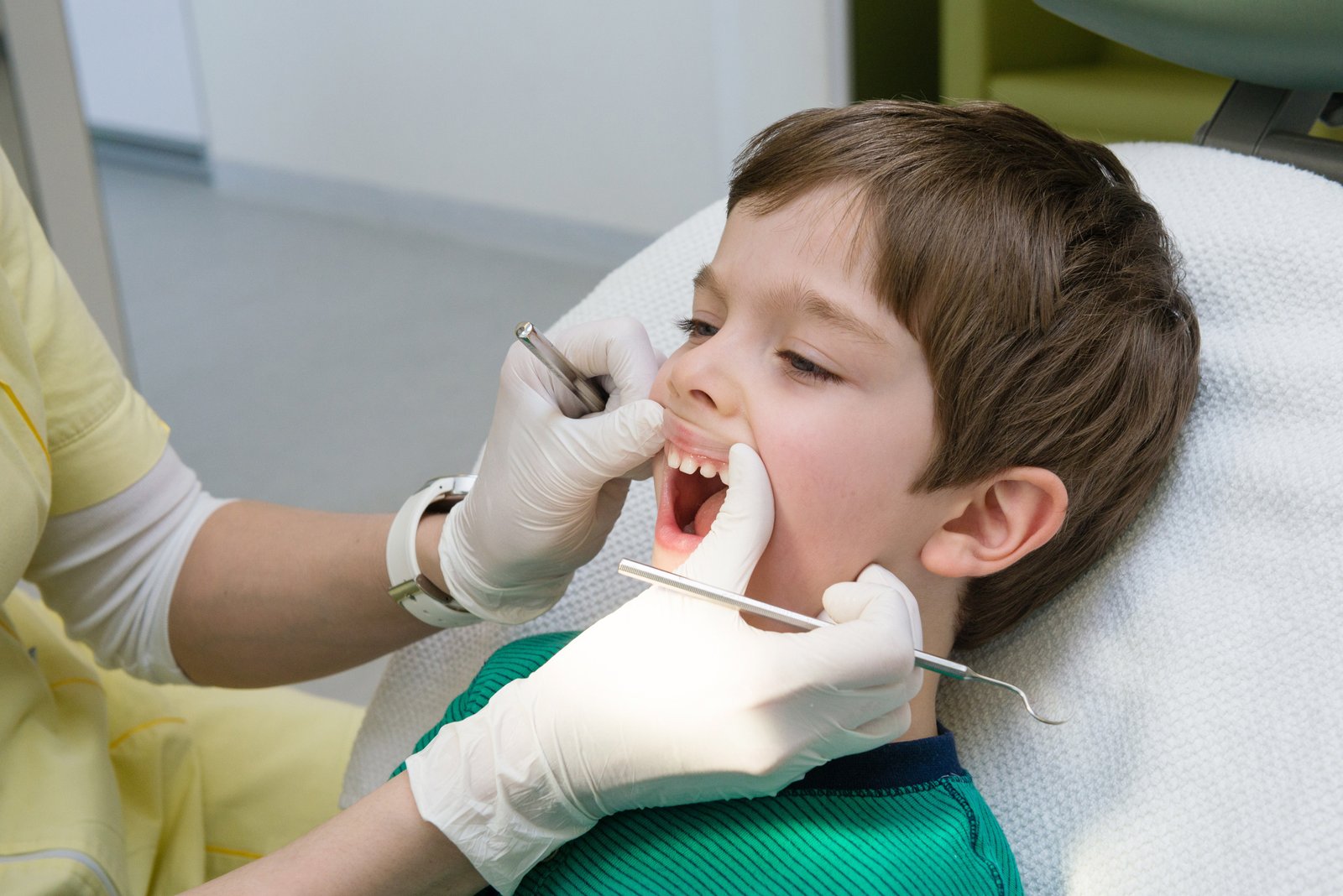
During a dental examination, gum color and swelling, bacterial plaque and calculus, bleeding sites, periodontal pockets, gum recession, and tooth mobility can be assessed.
When periodontitis is suspected, pocket depths are measured with a periodontal probe. If needed, X-ray imaging is used to assess the condition of the supporting bone tissue.
How is gum bleeding stopped?
To eliminate gum bleeding long-term, the cause of the bleeding must be identified. Merely temporarily stopping the blood does not cure gingivitis or periodontal problems.
In plaque-induced gingivitis, proper daily oral hygiene plays a primary role. Teeth should be cleaned twice a day with a soft-bristled brush, and appropriate tools should be used for interdental areas.
Because hardened calculus does not come off with a regular toothbrush, professional cleaning is required. Gingivitis can be reversed with proper hygiene and professional care. In periodontitis, treatment is planned based on periodontal pocket depth, bone loss, and the condition of the tissues supporting the teeth.
Mouthwashes, gels, and home remedies should not be relied upon as long-term solutions without identifying the cause.
When should you consult a doctor for gum bleeding?
If gum bleeding recurs regularly, a dental examination is advisable to determine the cause.
You should not delay an examination in the following cases:
- Gums frequently bleed during brushing;
- Bleeding starts spontaneously;
- Gums are red and swollen;
- There is persistent bad breath;
- Gum recession is observed;
- Pus comes from the gum area;
- Tooth mobility has increased;
- Bleeding occurs along with unexplained bruising, nosebleeds, or other hemorrhages.
Frequently asked questions about gum bleeding
Are bleeding gums normal?
Recurrent gum bleeding should not be accepted as normal. Although most commonly related to gingivitis, hard brushing, new interdental cleaning, pregnancy, and certain medications can cause bleeding.
Is it okay to brush if your gums bleed?
Yes. Stopping oral hygiene due to bleeding can allow bacterial plaque to remain and accumulate further. Using a soft-bristled brush and continuing interdental cleaning with the correct technique is a more appropriate approach.
Can dental calculus cause gum bleeding?
Yes. Dental calculus provides a surface for bacterial biofilm to attach, which can influence the persistence of gum inflammation. Because hardened calculus cannot be removed by daily brushing, it requires professional cleaning.
Is gum bleeding normal during pregnancy?
Hormonal changes during pregnancy can make gums more sensitive to bacterial plaque, leading to bleeding. Accepting this condition as normal and reducing oral hygiene is not an appropriate approach.
Which specialist should you consult for gum bleeding?
You should consult a dentist for gum bleeding. During the examination, whether the bleeding is related to gingivitis, calculus, a periodontal problem, mechanical trauma, or another cause is evaluated.
During appointments with Dr. Ümmahani Hüseynova, the cause of gum bleeding is evaluated based on a clinical periodontal examination, and an approach tailored to the patient's condition is determined.
What should you do if your gums bleed?
If gum bleeding recurs, the first step is not to stop brushing, but to identify the cause of the bleeding. Although bacterial plaque and gingivitis are among the most common causes, dental calculus, periodontitis, mechanical trauma, pregnancy, and certain medications can be associated with bleeding.
It is important to continue daily hygiene with a soft-bristled toothbrush, clean interdental areas properly, and have recurrent bleeding evaluated by a dentist. Once the cause is identified, the approach is planned according to the condition of the gums and periodontal tissues.
Sources
- American Dental Association, MouthHealthy — Bleeding Gums.
- Centers for Disease Control and Prevention — Gum Disease Facts.
- European Federation of Periodontology — What is Periodontitis?
- American Dental Association, MouthHealthy — Pregnancy Dental Concerns.
- The Impact of Cigarette Smoking and Vaping Use on the Development and Progression of Periodontitis: A Systematic Review. 2025.