
Bad breath is most often caused by the accumulation of bacterial plaque on the tongue, poor cleaning of teeth and interdental spaces, gum diseases, caries, and dry mouth. Chewing gum, mint candies, and mouthwashes can temporarily reduce the odor, but they do not eliminate the root cause of the problem.
Table of Contents
OpenIf the odor persists despite regular cleaning of your teeth, tongue, and interdental spaces, you should first consult a dentist. This is because the source of persistent bad breath is mostly the oral cavity, not the stomach. The treatment of halitosis is not the same for every patient and is planned according to the identified cause.
What is bad breath?
A persistent or frequently recurring unpleasant breath odor from the mouth is medically called halitosis.
Short-term odor after consuming garlic, onions, and strong spices is not always considered a sign of disease. However, an odor that does not go away after brushing the teeth, continues throughout the day, and affects daily communication can indicate an oral and dental health problem.
A person cannot always accurately evaluate their own breath odor. Some individuals worry excessively about it even when there is no bad breath, while others may not notice a persistent odor. Therefore, evaluating the complaint during a dental examination is a more accurate approach.
Symptoms accompanying bad breath
Along with bad breath, the following symptoms may also be observed:
- White or yellowish plaque on the tongue;
- Unpleasant or metallic taste in the mouth;
- Bleeding, redness, and swelling in the gums;
- Toothache and sensitivity;
- Dry mouth;
- Food trapping between teeth;
- Stronger breath odor in the mornings;
- Small white stones in the tonsils (tonsil stones);
- Ill-fitting dental prostheses.
It is not possible to accurately determine the cause of the odor based solely on its characteristics. During diagnosis, the tongue, teeth, gums, old fillings, prostheses, and dry mouth must be evaluated together.
10 main causes of bad breath
Bad breath does not arise from a single cause. In most cases, the problem is related to intraoral factors such as bacterial plaque accumulation on the tongue, inadequate oral hygiene, gum diseases, caries, and dry mouth. In some cases, foods, medications, ear-nose-throat problems, and reflux can also affect breath odor.
Below are the 10 most common causes of bad breath and an explanation of how each cause contributes to the odor.
1. Accumulation of bacterial plaque on the tongue
Bacterial plaque accumulating especially on the back of the tongue can be one of the main sources of odor originating from the oral cavity. Carefully cleaning the tongue can help reduce the bacterial layer causing the odor.
Gently cleaning the tongue once a day with a tongue scraper or a soft toothbrush can help reduce the odor. The tongue should not be scraped with excessive pressure or made to bleed.
2. Poor cleaning of teeth and interdental spaces
If the teeth are not brushed regularly, food residues remain in the oral cavity. As bacteria break down these residues, substances that cause an unpleasant odor are produced.
A toothbrush does not completely clean all the interdental surfaces of the teeth. Therefore, it is also important to use dental floss or an interdental brush during daily care.
3. Gum diseases
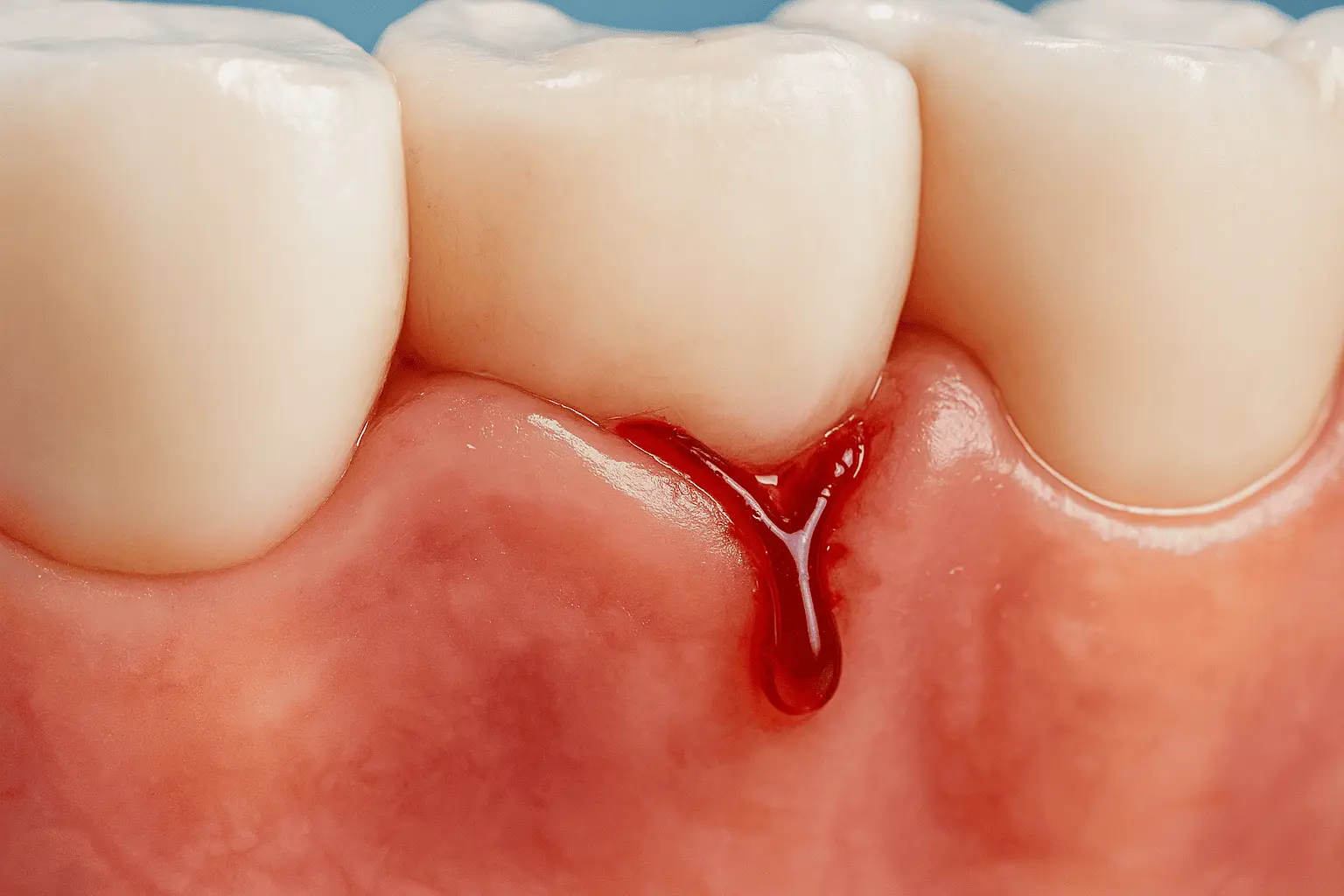
During gingivitis, redness, swelling, and bleeding during brushing can occur in the gums. If treatment is delayed, the process can progress to deeper tissues and turn into periodontitis.
During periodontitis, deep pockets where bacteria accumulate can form between the tooth and the gum. The results of systematic reviews and meta-analyses show a positive correlation between periodontitis and bad breath.
If your gums bleed regularly, do not attribute this simply to hard brushing. A dental examination must be performed to treat gum diseases.
4. Caries and oral cavity infections
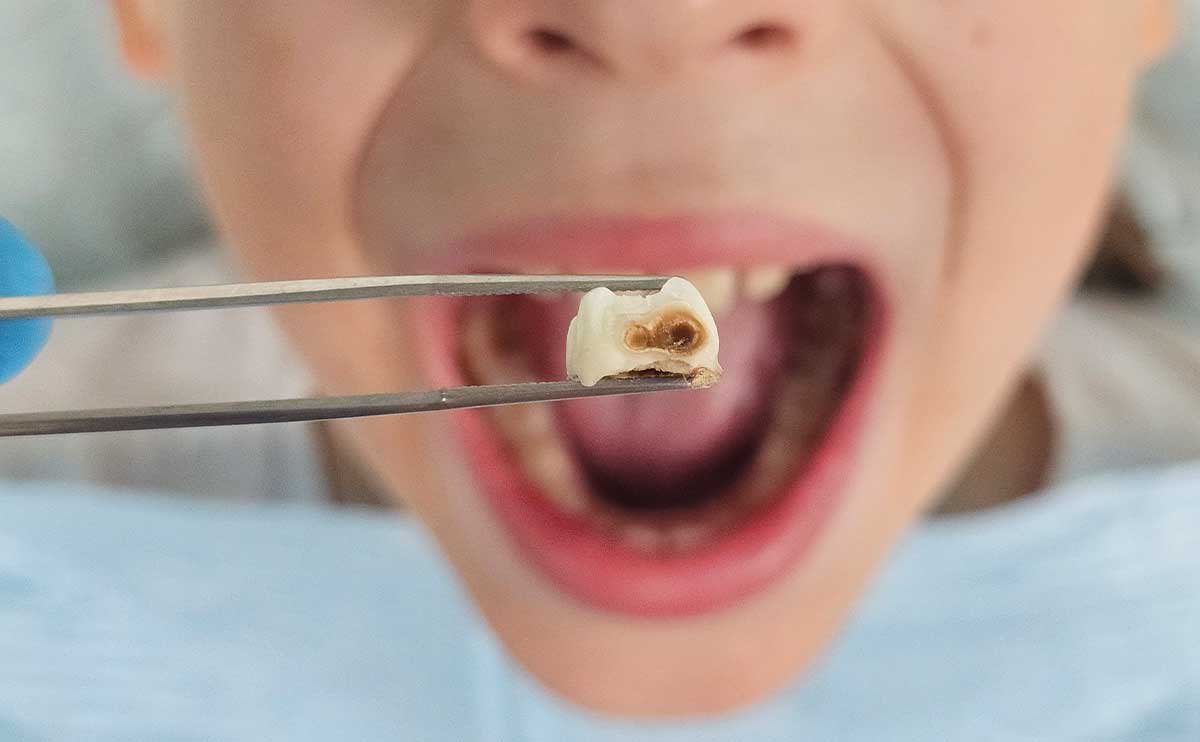
Deep caries, tooth root infections, abscesses, and other inflammatory processes in the oral cavity can cause bad breath.
Food residues can also accumulate around old fillings, dental crowns, and bridges with margins that do not adapt well to the tooth. In such cases, a mouthwash only temporarily reduces the odor.
If there is a black spot on the tooth, sensitivity to cold, night pain, or food impaction, caries treatment should not be delayed.
5. Dry mouth
Saliva helps clean the oral cavity and keep harmful microorganisms under control. Persistent dry mouth can increase the risk of caries, oral cavity infections, and bad breath.
Dry mouth can be related to the following causes:
- Not drinking enough water;
- Mouth breathing;
- Nasal congestion;
- Smoking and alcoholic beverages;
- Certain medications;
- Salivary gland problems;
- Certain systemic diseases.
Along with halitosis, dry mouth can lead to caries, oral cavity infections, and difficulty in keeping a removable prosthesis stable in the mouth.
6. Foods, coffee, and tobacco products
Onions, garlic, and certain spices can cause temporary breath odor. After the odorous substances in these foods are digested, they enter the bloodstream and are exhaled through the breath.
Smoking and other tobacco products both directly cause a bad odor and increase the risk of dry mouth and gum diseases. Coffee and alcoholic beverages can also exacerbate dry mouth in some individuals.
7. Braces and dental prostheses
Food residues can accumulate around braces, under removable prostheses, and in other intraoral appliances. If the appliances are not cleaned properly, bacterial plaque and bad breath increase.
Removable prostheses should be cleaned every day, and their fit in the mouth should be checked regularly. Individuals wearing braces should use appropriate interdental care tools in addition to a regular toothbrush.
8. Tonsil, nose, and sinus problems
Bacteria, food residues, and cells can accumulate in the small crypts on the surface of the tonsils, forming tonsil stones. These stones can be accompanied by bad breath, a bad taste, and a foreign body sensation in the throat.
Nasal congestion can lead to mouth breathing and dry mouth, exacerbating the odor. If no oral and dental cause is found, persistent nose, sinus, and throat complaints can be evaluated by an ear-nose-throat (ENT) doctor.
9. Medications
Certain medications can reduce saliva production, causing dry mouth and bad breath. Some antihistamines, antidepressants, antihypertensive drugs, and diuretics can be evaluated in this regard.
Even if you think a medication is causing dry mouth, do not stop taking it or change the dose on your own. Changes should only be made by the prescribing doctor.
10. Reflux and other systemic diseases
Reflux can be accompanied by a sour taste in the mouth, burping, and breath odor in some people. In rare cases, respiratory tract, metabolic, and other systemic problems also cause changes in breath odor.
However, when investigating the cause of persistent bad breath, the tongue, teeth, gums, and dry mouth should be evaluated first. If no dental cause is found, the patient is referred to a specialist according to their complaints.
Does bad breath come from the stomach?
In most cases, bad breath originates from the oral cavity, not the stomach. According to scientific reviews, approximately 80–90% of halitosis cases are associated with intraoral causes such as bacterial plaque accumulation on the tongue, periodontal diseases, and inadequate oral hygiene. Therefore, in the case of persistent bad breath, dental causes should be evaluated first.
Gastroesophageal reflux can be associated with bad breath in some people. If there are complaints such as a sour taste in the mouth, burning behind the breastbone, burping, and regurgitation of stomach contents into the mouth, the possibility of reflux can also be considered. However, it is not correct to directly attribute bad breath to reflux or another stomach problem without a dental examination.
Why does morning bad breath occur?
Saliva secretion decreases during sleep. Therefore, it is a widespread phenomenon to feel a stronger breath odor upon waking up in the morning.
Sleeping with the mouth open, snoring, nasal congestion, dehydration, and neglecting nighttime oral hygiene can increase morning odor.
If the odor goes away after cleaning the teeth and tongue, this condition is mostly related to the decrease in saliva secretion during sleep. If the odor continues throughout the day, the cause should be investigated with a dental examination.
How is bad breath diagnosed?
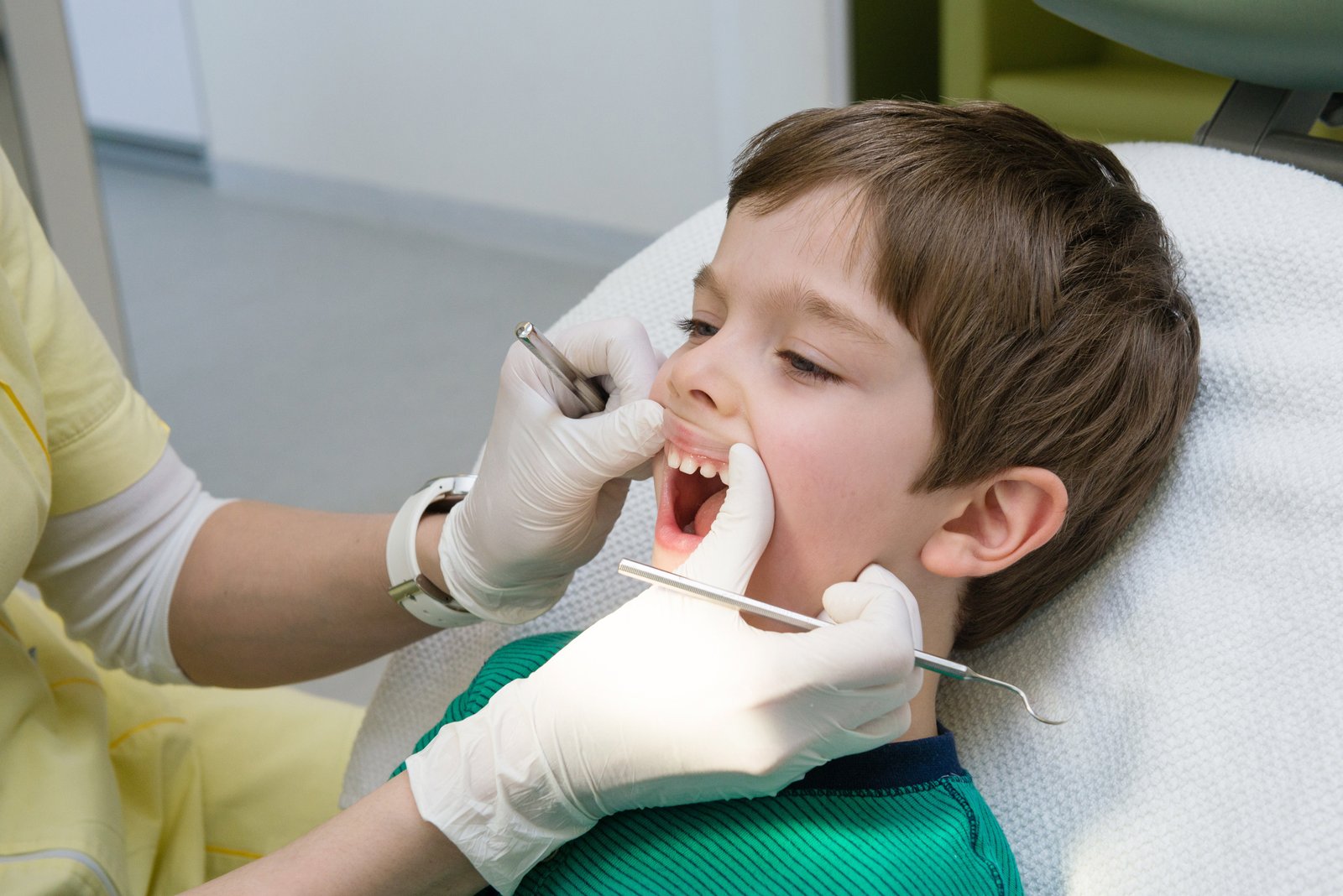
The dentist first clarifies when the bad breath started, at what times of the day it gets stronger, oral care habits, medications used, and accompanying complaints.
What is checked during a dental examination?
During the examination, the following are evaluated:
- Plaque on the back of the tongue;
- Tartar and bacterial plaque;
- Gum pockets and bleeding;
- Caries and old fillings;
- Dry mouth;
- Cleanliness of prostheses and braces;
- Signs of infection in the oral cavity.
Evaluation of the breath odor by the doctor is one of the practical diagnostic methods. If necessary, special devices that measure the chemical compounds causing the odor can be used. Clinical examination and the information provided by the patient form the basis of the diagnosis.
When is an X-ray examination necessary?
An X-ray examination is not automatically prescribed for every patient with bad breath. If caries, a tooth root infection, bone loss, or another problem not visible during the clinical inspection is suspected, a panoramic dental examination or additional imaging may be selected.
How is the treatment of bad breath carried out?
There is no single treatment method suitable for all patients for halitosis. Diagnosis and treatment are planned individually based on the source of the odor, the condition of the oral cavity, and accompanying factors.
Mouthwashes, tongue cleaning, toothpastes, and other methods are applied in the management of halitosis. However, since the quality of evidence regarding the effectiveness of some interventions in current studies is low, the treatment should be chosen according to the patient's condition.
Professional teeth cleaning
Tartar and bacterial deposits in the gum pockets cannot be completely cleaned at home. In such cases, professional teeth cleaning, individual recommendations on oral hygiene, and, if needed, periodontal treatment are performed.
Treatment of caries and infections
Caries, tooth root infections, abscesses, ill-fitting old fillings, and problematic prostheses must be treated.
If the source where bacteria accumulate is not eliminated, the result obtained from mouthwash and chewing gum may be short-lived, and the odor can reoccur.
Cleaning of the tongue and interdental spaces
Cleaning the bacterial plaque on the back of the tongue and using dental floss or an interdental brush can help reduce the bacterial load in the oral cavity.
These care methods do not replace daily tooth brushing but complement it.
Management of dry mouth
Drinking enough water and chewing sugar-free gum can help increase saliva secretion.
If there is persistent dry mouth, the medications used, accompanying diseases, and the function of the salivary glands should be evaluated.
Use of mouthwashes
Depending on the active ingredients they contain, mouthwashes can help reduce bad breath, bacterial plaque, and gingivitis. However, a mouthwash does not replace tooth brushing, interdental cleaning, and main dental treatment.
The composition and duration of use of a therapeutic mouthwash should be selected according to the condition of the oral cavity.
What can be done to reduce bad breath?
To reduce bad breath and maintain oral health:
- Brush your teeth twice a day for about two minutes.
- Clean between your teeth once a day with dental floss or an interdental brush.
- Carefully clean the back surface of the tongue once a day.
- Drink enough water throughout the day.
- Choose sugar-free gum for dry mouth.
- Pay special attention to the cleanliness of braces and prostheses.
- Stay away from smoking and other tobacco products.
- Do not delay regular dental check-ups.
These steps can help reduce bad breath, but they do not replace dental treatment if there is caries, tartar, periodontitis, or an infection.
Main mistakes made regarding bad breath
The following approaches can prolong the problem:
- Hiding the odor only with chewing gum and mint candies;
- Only brushing the teeth and not cleaning the tongue and interdental spaces;
- Attributing the problem solely to the stomach without an examination;
- Using mouthwash uncontrollably and for a long time;
- Stopping a medication that causes dry mouth on your own;
- Accepting gum bleeding as normal;
- Waiting for toothache and swelling in the mouth to go away on their own.
When should you visit a dentist?
If the odor does not go away within a few weeks after improving oral and dental care, consult a dentist.
Do not delay the examination if the following symptoms are present:
- Persistent bleeding and swelling in the gums;
- Toothache or pain starting at night;
- Pus and a bad taste in the mouth;
- Loose teeth;
- Persistent dry mouth;
- Ill-fitting prosthesis;
- A black spot on the tooth or food impaction;
- Frequent recurrence of tonsil stones;
- A mouth sore that does not heal for more than three weeks.
If there is severe swelling in the mouth, face, or neck area, especially if breathing or swallowing becomes difficult, urgent medical help should be sought.
Which doctor can be consulted for bad breath in Baku?
If bad breath persists, it is advisable to undergo a dental examination in the first stage. During the examination, the tongue, teeth, gums, old fillings, prostheses, and dry mouth are evaluated.
If an oral and dental cause is found, treatment is carried out based on a dental plan. If the cause is not found in the oral cavity, the patient can be referred to an ear-nose-throat doctor, gastroenterologist, or another specialist according to their complaints.
Dr. Ummahani Huseynova provides dental examination, treatment planning, and aesthetic dentistry services for children and adults in Baku.