Toothache in children is most commonly caused by cavities, inflammation of the soft tissue inside the tooth (pulpitis), abscesses, and trauma. Pain relievers may provide temporary relief for the child, but the underlying problem in the tooth requires dental treatment.
Table of Contents
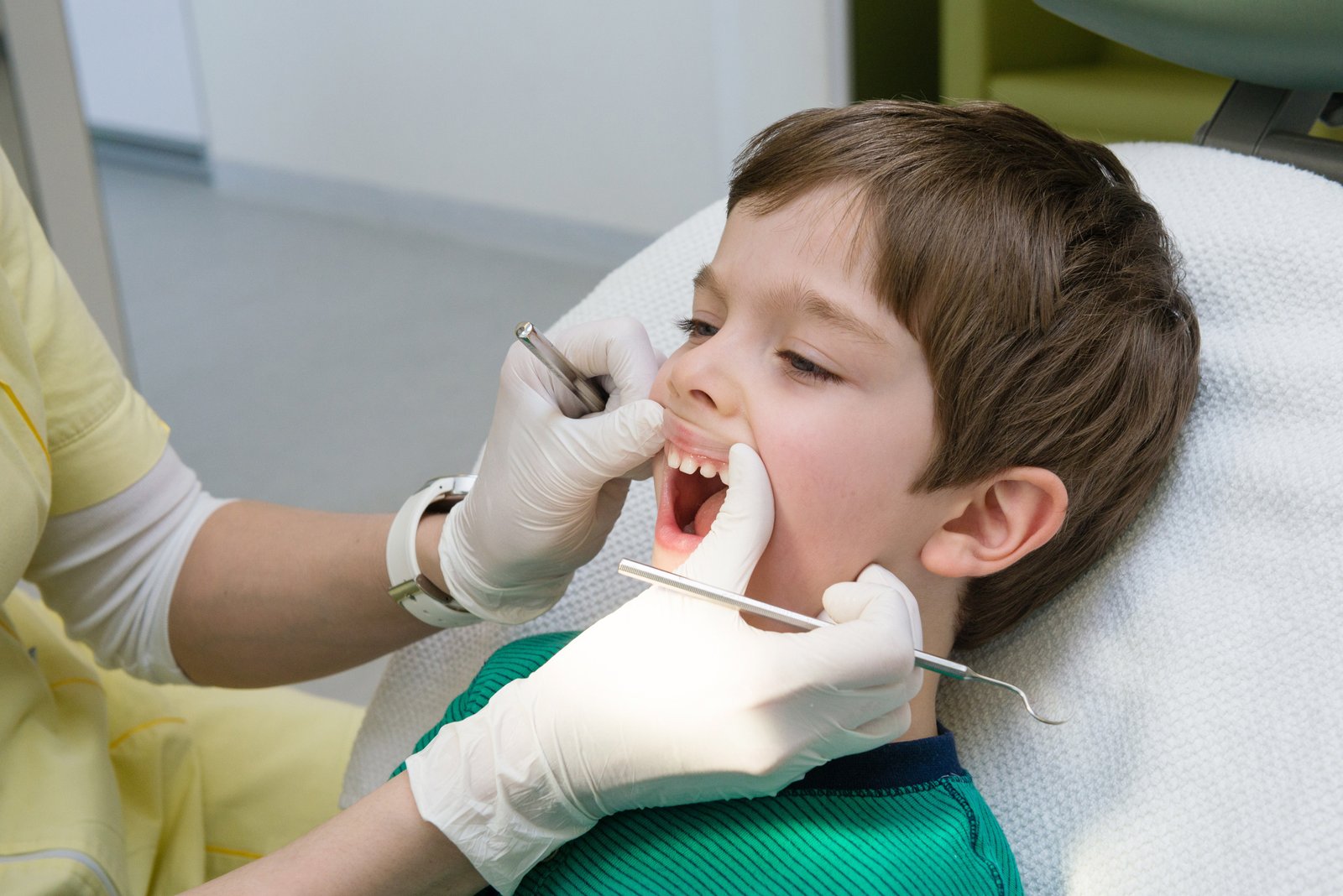
OpenIf pain wakes the child up at night, interferes with eating, recurs frequently, or is accompanied by swelling in the cheek, do not delay consulting a pediatric dentist. The dentist will listen to the child's complaints, examine the oral cavity, and take X-rays if necessary.
Initial steps if a child has a toothache:
- Inspect the inside of the mouth under good lighting.
- Carefully remove any visible food debris.
- If there is swelling, apply a cold compress to the outside of the cheek.
- Do not force the child to chew on the painful side.
- If pain persists or recurs, consult a dentist.
- If there is difficulty swallowing or breathing, seek emergency medical care.
What are the causes of toothaches in children?
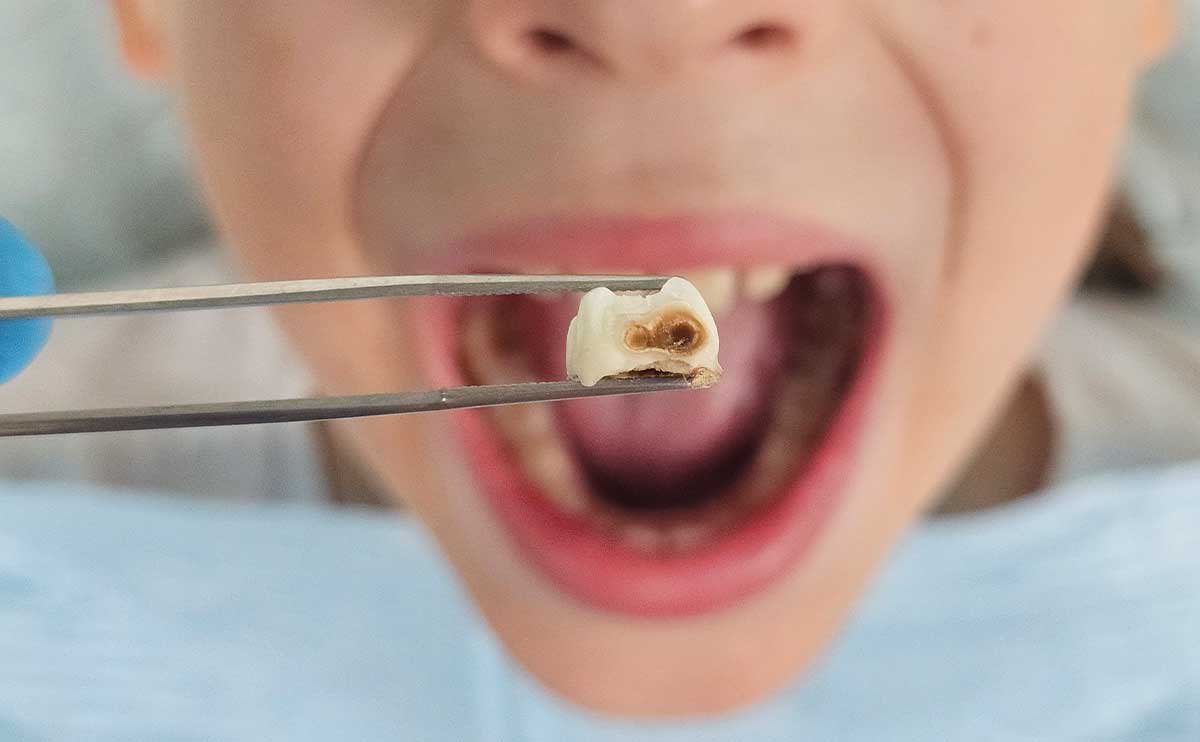
Toothaches in children are most frequently caused by untreated cavities. Deepened cavities, dental abscesses, impact, a cracked tooth, a dislodged filling, gum inflammation, and food trapped between teeth can also cause pain. Because the treatment approach varies for each cause, proper evaluation is essential.
Main causes of toothaches:
- Dental caries (tooth decay);
- Inflammation of the pulp (pulpitis);
- Infection and abscess around the tooth root;
- Broken or cracked tooth;
- Dislodged filling;
- Gum inflammation (gingivitis);
- Food impaction between teeth;
- Irritation of tissues by braces or other orthodontic appliances;
- Trauma resulting from a fall or impact.
What symptoms does a decayed tooth cause in a child?
Tooth decay may not cause pain in its early stages. As the cavity deepens, sweet, hot, and cold foods trigger sensitivity in the tooth. If the pain persists after eating, starts spontaneously, or wakes the child up at night, deeper tissues of the tooth may be damaged.
The pulp is the soft tissue inside the tooth containing nerves and blood vessels. As a cavity approaches this area, the pain can become more intense and prolonged.
Signs pointing to a decayed tooth:
- White, brown, or black spots on the tooth;
- A visible cavity on the tooth surface;
- Pain triggered by sweet, hot, and cold foods;
- Discomfort during biting or chewing;
- Frequent food trapping between teeth;
- Increased bad breath (halitosis).
For example, sensitivity caused by drinking cold water that subsides within a few seconds is not the same condition as a prolonged ache starting at night. Nighttime pain and lingering discomfort after the stimulus is removed point to deeper tissue damage.
What are the symptoms of a dental abscess in a child?
A dental abscess is a collection of pus resulting from an infection in or around the tooth. Severe and throbbing pain, gum swelling, facial enlargement (cheek swelling), a bad taste in the mouth, fever, and fatigue are among the signs of an abscess. In this case, the child should be taken to a dentist promptly.
The following symptoms may appear in a dental abscess:
- Continuous and intensifying pain;
- A pus-filled pimple or bump on the gum;
- Swelling in the cheek or jaw;
- Bad breath and a foul taste in the mouth;
- Increased pain during chewing;
- Fever and malaise (fatigue);
- Difficulty opening the mouth.
A sudden decrease in pain is not a sign of healing. Pain may subside when pus drains or when the internal tissue of the tooth suffers severe damage. Meanwhile, the infection remains around the root and can later cause renewed swelling.
What to do if a child's tooth aches after trauma?
Following a fall or impact, even if the tooth appears intact, the root, pulp, and surrounding supporting tissues may be injured. Tooth fracture, loosening, displacement, darkening of color, and pain upon biting are grounds to consult a pediatric dentist.
Check the following after trauma:
- Is the tooth fractured?
- Has it moved forward or backward from its original position?
- Is the tooth loose?
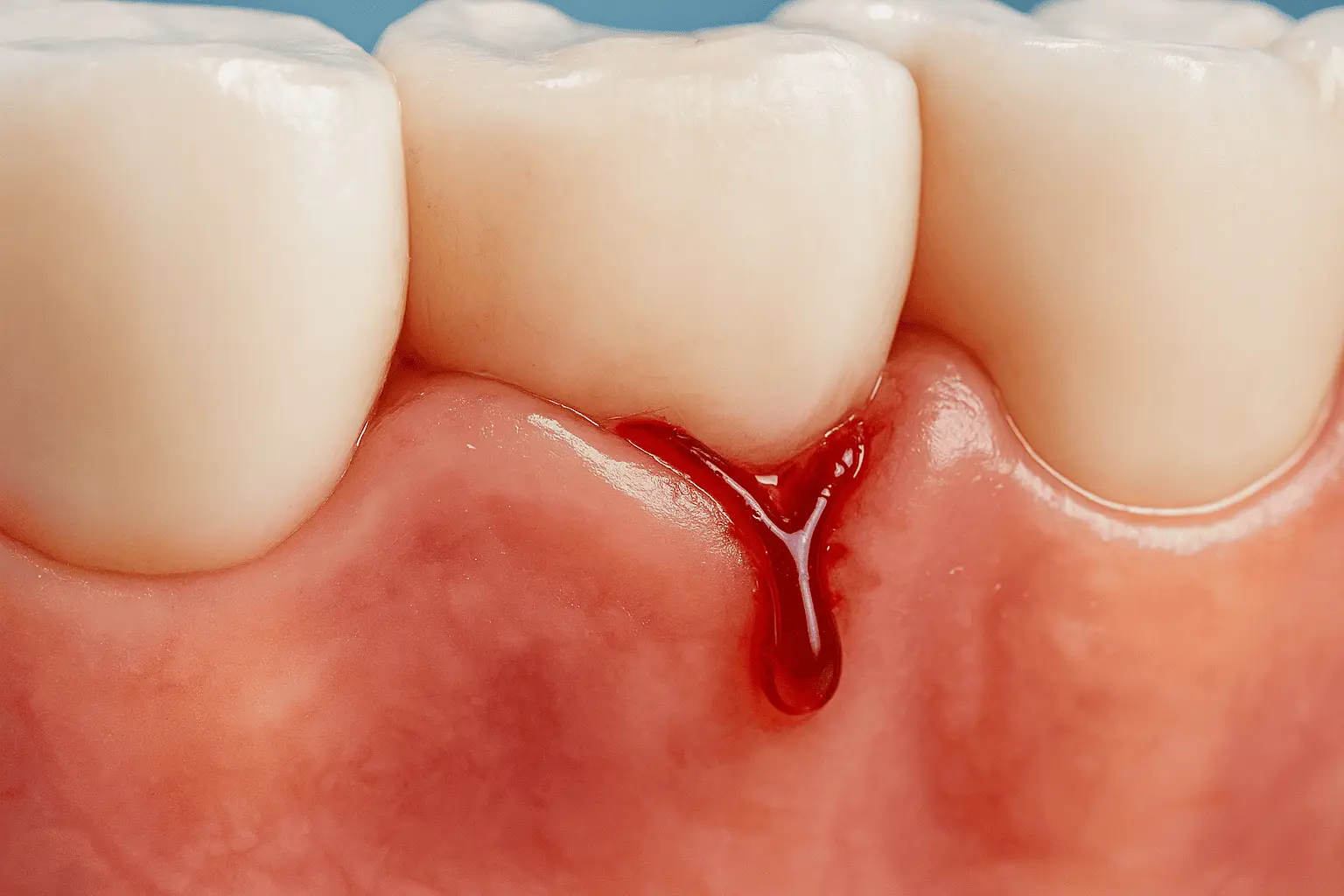
- Are the gums bleeding?
- Can the child bite and close their teeth together as usual?
- Is there a wound on the lips or inside the mouth?
- Has there been vomiting, dizziness, or a change in consciousness?
Do not attempt to push a fully avulsed (knocked-out) primary (baby) tooth back into place. This intervention can damage the permanent tooth developing underneath.
Hold a fully knocked-out permanent tooth by its crown, not its root. If you cannot replant the tooth immediately, store it in milk and seek emergency dental care. In such traumas, lost time directly affects the likelihood of saving the tooth.
What can the type of toothache in a child indicate?
The onset time, duration, and triggering factors of pain help determine the cause of the problem. Pain starting at night, lingering aches after hot or cold stimuli, discomfort during biting, and swelling can point to different conditions. It is important to communicate these details accurately to the dentist.
Do not just ask the child, "Does it hurt a lot?" Instead, ask more specific questions:
- Does the pain start when eating?
- Does it increase when drinking cold water?
- Does the pain go away immediately, or does it linger?
- Does it wake you up from sleep at night?
- Does it hurt when the tooth is touched?
- Can you chew on the painful side?
How to distinguish teething from a toothache?
During teething, the primary discomfort is felt in the gums. Increased salivation, mild gum swelling, and a desire to bite down on objects are common signs. However, prolonged pain in a specific tooth, waking up at night, sensitivity to hot and cold, and cheek swelling should not be attributed to teething alone.
Teething is typically characterized by these signs:
- Increased drooling/salivation;
- Mild gum tenderness;
- Desire to bite on objects;
- Localized swelling in the erupting area;
- Mild discomfort.
With tooth decay, pain is usually localized to a specific tooth. Hot, cold, and sweet foods can aggravate the discomfort. The child may refuse to chew on the painful side and wake up at night.
Do not associate high fever, persistent diarrhea, vomiting, and severe lethargy with teething. Such symptoms may be related to other illnesses and require a pediatric evaluation.
How to tell if a child has a toothache when they cannot speak or express it?
Young children cannot accurately point out the location, cause, or intensity of pain. Refusal to eat, chewing on only one side, waking at night, holding the cheek, and crying during tooth-brushing can indicate a toothache. Facial swelling and changes inside the mouth should also not be overlooked.
Parents can watch for the following changes:
- Refusal of hard foods;
- Chewing on only one side;
- Avoiding cold and hot foods;
- Frequently bringing the hand to the cheek;
- Unexplained awakening at night;
- Crying during tooth-brushing;
- Increased bad breath;
- Swelling on one side of the cheek;
- A pus-filled bump on the gum.
Examine the child's mouth under good lighting. Check for visible cavities, fractures, gum swelling, or bleeding. This brief home examination does not replace a dental exam; its purpose is to spot critical signs in a timely manner.
What can be done at home during a child's toothache?
Home measures can temporarily reduce pain until the child can be taken to a dentist. These include gently cleaning the oral cavity, applying a cold compress to the cheek, choosing soft foods, and using age- and weight-appropriate pain relievers when suitable. However, cavities, pulp inflammation, and infections require professional dental treatment.
How to clean the mouth of a child with a toothache?
Inspect the child's mouth under good lighting and carefully remove any visible food debris. If the child permits, food trapped between teeth can be removed with dental floss. Poking a cavity with a sharp object, piercing the gums, or squeezing a swelling can damage tissues.
If the child is old enough to rinse, lukewarm water can be used. Do not have young children who might swallow the solution use salt-water rinses.
Completely stopping brushing a painful tooth is incorrect. Use a soft toothbrush and avoid applying heavy pressure to that area.
How to apply a cold compress if a child's cheek is swollen?
If there is cheek swelling or trauma, a cold compress wrapped in a cloth can be applied to the outside of the face in short intervals. Never place ice directly onto the skin or directly over the painful tooth. Warm compresses are not suitable, especially when an infection is suspected, as they can increase swelling and discomfort.
Give the child soft and lukewarm foods. Very hot, very cold, sticky, and sugary products can worsen pain. Do not force the child to chew on the painful side.
How to choose a pain reliever for a child's toothache?
Paracetamol (acetaminophen) and, where appropriate, ibuprofen can be used to reduce acute toothaches in children. The choice and dosage of the medication must match the child's age, weight, health status, and product concentration. If you are unsure of the dose, consult a pediatrician, dentist, or pharmacist.
Do not give an approximate amount by breaking an adult tablet in half. Multiple products may contain the same active ingredient; check ingredient labels before combining medications.
Ibuprofen may not be suitable for every child. If the child has other medical conditions, cannot retain fluids, takes other medications, or if you are unsure of the drug's suitability, seek professional medical advice.
Even if a pain reliever brings comfort, professional examination of the tooth remains necessary.
What methods should NOT be used during a toothache?
During a toothache, placing a pain-relieving tablet directly on the tooth, self-prescribing antibiotics, lancing a purulent swelling, or uncontrolled use of numbing gels can harm the child. Such interventions can injure the gums, delay the detection of spreading infections, and complicate subsequent treatment.
Do not do the following:
- Do not place aspirin or a crushed tablet on the tooth;
- Do not give leftover antibiotics from home to the child;
- Do not squeeze or pop pus-filled swellings on the gums;
- Do not clean a cavity with a sharp object;
- Do not apply alcohol, garlic, or caustic substances to the tooth;
- Do not use gels containing benzocaine or lidocaine without medical advice.
Not every toothache requires antibiotics. For cavities and pulp inflammation, the dentist treats the problem directly at the tooth. If antibiotics are necessary, the doctor prescribes them based on signs of infection spreading and the child's overall condition.
When does a child's toothache require emergency care?
If a child's toothache is accompanied by rapidly increasing swelling of the face, mouth, or neck, difficulty swallowing or breathing, high fever, and severe fatigue, call for emergency medical help. When an infection spreads beyond the tooth, it can invade deeper tissues and threaten the child's airway.
Do not wait in the following situations:
- Rapidly enlarging swelling of the face, jaw, or neck;
- Swelling spreading around the eyes;
- Difficulty swallowing, speaking, or breathing;
- Inability of the child to swallow their own saliva;
- Severe difficulty opening the mouth;
- High fever and severe lethargy;
- Uncontrolled or continuous oral bleeding;
- Severe trauma to the face or jaw;
- Pain that cannot be managed despite appropriate pain relievers.
Even if these severe signs are absent, if the pain persists, wakes the child at night, recurs frequently, or interferes with eating, take the child to a dentist.
How does a pediatric dentist treat a toothache?
A pediatric dentist evaluates not only the intensity of the toothache but also the condition of the tooth, depth of the decay, health of the pulp, and signs of infection. Different dental treatment methods may be chosen for primary and permanent teeth. It is determined whether the tooth can be saved with treatment, and X-rays are taken when necessary.
Treatment can vary depending on the stage of the problem:
- Removal of decayed tissue and placement of a filling;
- Pulp-protecting treatments;
- Pulpotomy;
- Pulpectomy;
- Root canal treatment in a permanent tooth;
- Drainage of an abscess;
- Extraction of a non-restorable tooth;
- Stabilization (splinting) of a tooth following trauma.
During a pulpotomy, the damaged coronal (upper) portion of the pulp in a baby tooth is removed while the root portion is preserved where appropriate.
During a pulpectomy, infected or severely damaged pulp is removed from the root canals.
The treatment method is chosen based on the state of the pulp, degree of infection, possibility of saving the tooth, and the child's overall health.
Is treatment necessary if a primary (baby) tooth aches?
Although baby teeth are temporary, a painful or infected tooth should not be left untreated. Baby teeth help the child chew, speak correctly, and maintain space for permanent teeth. If treatment is delayed, it can cause pain, infection, sleep disturbances, and feeding difficulties.
If the tooth can be saved, the dentist may choose a filling, pulpotomy, or pulpectomy.
Extraction of the tooth may be necessary in the following cases:
- The tooth cannot be restored;
- Insufficient healthy tooth structure remains;
- Infection cannot be brought under control;
- Root and surrounding tissues are severely damaged;
- The natural exfoliation (shedding) time of the tooth is approaching.
If a baby tooth is extracted prematurely, the dentist will separately evaluate whether space maintainers are needed for the permanent dentition.
How can toothaches be prevented in children?
The primary way to prevent toothaches in children is daily oral hygiene, reducing the frequency of sugary food consumption, and regular dental checkups. Brushing should begin as soon as the first tooth erupts. If the risk of decay is high, the dentist may recommend more frequent examinations and additional preventive measures.
Main prevention guidelines:
- Brush teeth twice a day with a fluoride toothpaste;
- Use a smear (rice-grain-sized) amount of toothpaste for children under 3 years old;
- Use a pea-sized amount of toothpaste for ages 3–6;
- Parents should brush or supervise the brushing of young children's teeth;
- Avoid offering sugary drinks and snacks frequently throughout the day;
- Do not put a child to sleep with milk, juice, or sweet beverages;
- Schedule the first dental visit by age one at the latest;
- Adhere to the recall intervals designated by the dentist.
Not only the total amount of sugar matters, but also how many times a day it is consumed. Frequent intake of sweet foods and drinks exposes teeth to acid attacks for longer periods.
Frequently asked questions about toothaches in children
What to do if a child's tooth starts aching at night?
Inspect the child's mouth under good lighting and gently remove any visible food debris. If there is swelling in the cheek, apply an external cold compress. Administer pain relievers matching the child's age and weight strictly according to instructions. Spontaneous nighttime pain may indicate deep decay or pulp injury.
Can a painful tooth be brushed?
Yes, a painful tooth should be brushed gently. Completely stopping brushing can lead to an accumulation of food debris and bacterial plaque in that area. Use a soft toothbrush and avoid applying heavy pressure to the painful site. If sharp pain or bleeding occurs during brushing, consult a dentist.
Are antibiotics necessary if a child has a toothache?
No, antibiotics are not required for every toothache. For cavities and pulp inflammation, the primary treatment is resolving the problem in the tooth. Antibiotics may be required when there is facial swelling, fever, and signs of spreading infection. Do not give medications to a child arbitrarily; they must only be prescribed by a pediatrician or dentist.
Can a toothache radiate to a child's ear and jaw?
Yes, a toothache can sometimes be felt in the ear, temple, or jaw. Young children, in particular, may have difficulty pinpointing the exact location of pain. If ear pain is accompanied by sensitivity during chewing, a visible cavity, or gum swelling, the child should be taken to a dentist.
What should be done if a tooth aches after a filling falls out?
When a filling falls out, the sensitive part of the tooth is exposed, and hot, cold, or sweet foods can cause pain. Do not allow the child to chew on that side and keep them away from irritating foods. Do not pack the cavity with gum or other substances. Consult a pediatric dentist as soon as possible.
Is it still necessary to visit the dentist if the toothache has gone away?
Yes, even if severe, nighttime, or recurring pain subsides, the tooth must be examined. A decrease in pain does not mean the problem is resolved. When tissue inside the tooth becomes severely damaged, pain can weaken, but the infection remains around the root and can later cause swelling and more intense pain.
How long can a toothache last in a child?
The duration of a toothache depends on the cause. Discomfort related to food impaction or mild irritation may subside once the cause is removed. However, pain related to cavities, pulp inflammation, trauma, and abscesses typically does not resolve completely without treatment. If pain lasts for hours or recurs, consult a dentist.
Can a warm compress be applied if a child's tooth aches?
No, using a warm compress is not advisable, especially if infection and swelling are suspected. A cold compress wrapped in a cloth can be applied to the outside of the cheek in short intervals. Never place ice directly on the skin or over the painful tooth. If swelling increases or fever develops, do not delay seeing a doctor.