Tooth decay in primary teeth begins when bacteria on the tooth surface produce acid while breaking down sugars and other fermentable carbohydrates from food and beverages. When this process repeats frequently, the tooth enamel loses minerals, and caries may develop.
Table of Contents
OpenFrequent consumption of sugary foods and drinks throughout the day, especially repeated feeding throughout the night, insufficient oral hygiene, and improper use of fluoride toothpaste can increase the risk.
Decay does not always start with a dark spot or a visible cavity. In the early stages, a dull and chalky white spot may appear on the tooth surface, particularly in the area close to the gumline. Therefore, waiting for pain to start is not considered the right approach to evaluate visible changes in a primary tooth.
What is Primary Tooth Decay?
Early childhood caries refers to caries that develop in the primary teeth of children under 6 years of age. This concept encompasses various stages, ranging from initial caries areas where no cavity has yet formed on the tooth surface to primary teeth that have been filled or lost due to caries.
Caries does not arise from a single cause. Dental biofilm, diet, frequency of sugar contact, access to fluoride, oral hygiene, previous caries experience, and the child's individual characteristics can collectively influence the risk.
For this reason, the fact that two children of the same age eat the same foods does not mean their teeth will decay at the same rate.
Why Do Primary Teeth Decay?
Explaining primary tooth caries simply with the phrase "the child eats too many sweets" is not sufficient. Caries develops as a result of a prolonged disruption in the demineralization and remineralization balance occurring on the tooth surface.
Bacterial Biofilm and Frequent Contact with Sugar
A bacterial biofilm constantly forms on the teeth. When a child consumes sugar and other fermentable carbohydrates, bacteria within the biofilm produce acid. This acidic environment creates conditions for the loss of minerals from the tooth enamel.
Here, the frequency of consumption is just as important as the amount of sugar.
For example, continuously consuming cookies, candies, sweet beverages, and other sugary snacks throughout the day causes teeth to be repeatedly exposed to an acidic environment.
Inadequate Cleaning of the Teeth
When bacterial biofilm remains on the surface of primary teeth for an extended period, a favorable environment for caries is created.
A young child holding their own toothbrush does not indicate that they can effectively clean all tooth surfaces. Because manual skills are not yet fully developed, it is essential for the parent to supervise brushing and complete the cleaning when necessary.
Nighttime Feeding and Bottle Use
Salivary flow decreases during sleep. If teeth remain in contact with fermentable carbohydrates repeatedly and for prolonged periods throughout the night, the risk of caries can increase.
The risk is not limited to juice, sugary tea, and other sweet drinks. After teeth erupt, the prolonged and repeated contact of fluids containing fermentable carbohydrates, such as milk and formula, with the teeth throughout the night is also considered regarding the risk of caries.
It would be incorrect to cite breast milk alone as the cause of caries. The child's age, feeding frequency, tooth eruption, biofilm, sugar sources, and nighttime oral hygiene must be evaluated together.
Improper Use of Fluoride Toothpaste
Fluoride helps increase the resistance of tooth enamel against acid attacks and supports remineralization during early mineral loss.
When a fluoride-free toothpaste is chosen for a child, it is not possible to benefit from the proven protective effect of fluoride against caries. The key is to use an amount appropriate for the child's age and to monitor the swallowing of the toothpaste.
The Child's Individual Caries Risk
The risk of caries may be higher in some children.
Previously developed caries, enamel developmental defects, dietary habits, oral hygiene, access to fluoride, and certain medical and social factors are taken into account in risk assessment.
What Are the Early Signs of Decay in a Primary Tooth?
Caries in a primary tooth can begin before a visible cavity forms. Recognizing early changes in a timely manner can expand treatment options.
White and Dull Spots
At the onset of caries, the tooth enamel begins to lose minerals. While the surface is still intact, it can lose its previous glossy appearance and turn into a dull, chalky white area.
These changes can be particularly visible in areas close to the gumline.
At the white spot stage, a cavity may not yet have formed on the tooth surface. After assessing the risk of caries and lesion activity, non-invasive approaches based on hygiene, diet, and fluoride may be possible.
At the same time, not every white spot implies caries. Other changes, such as enamel developmental defects, can appear similar.
Brown and Black Spots
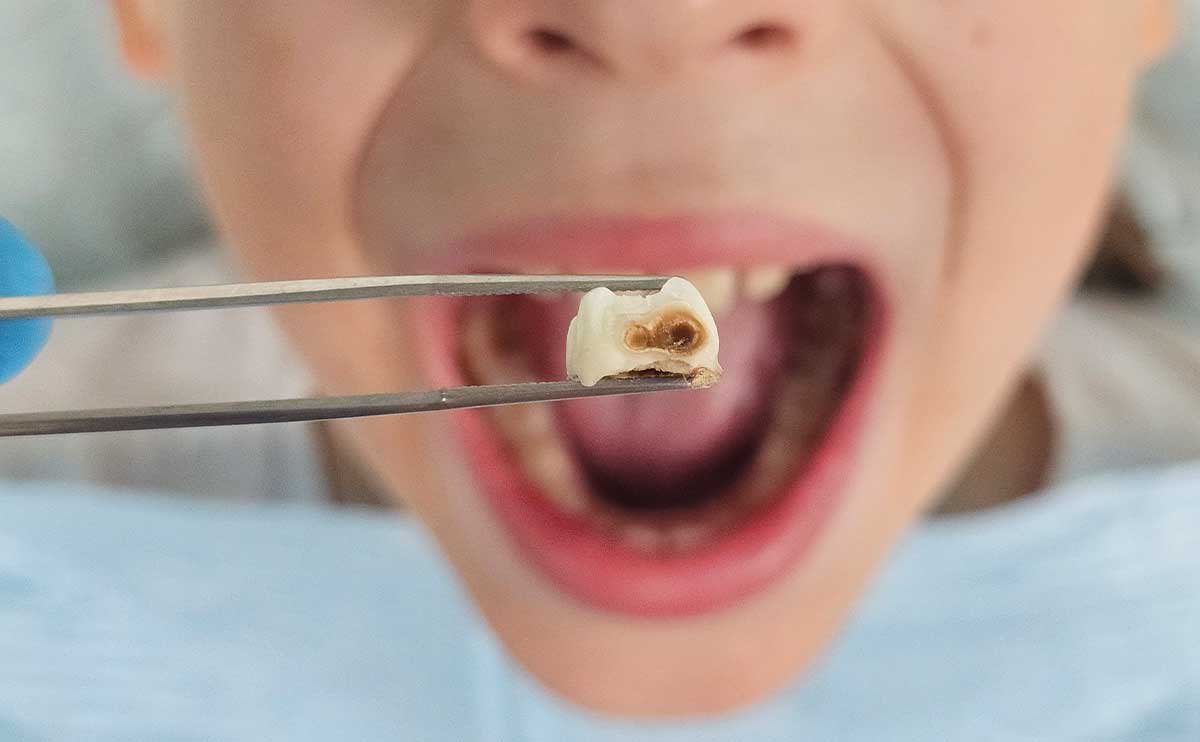
As caries progresses, yellow, brown, or darker areas may appear on the tooth. However, every dark spot on a tooth is not considered an active cavity.
Superficial stains can also appear dark. It is not possible to determine whether caries exists or how deep it is by looking at color alone.
Cavitation on the Tooth Surface and Food Trapping
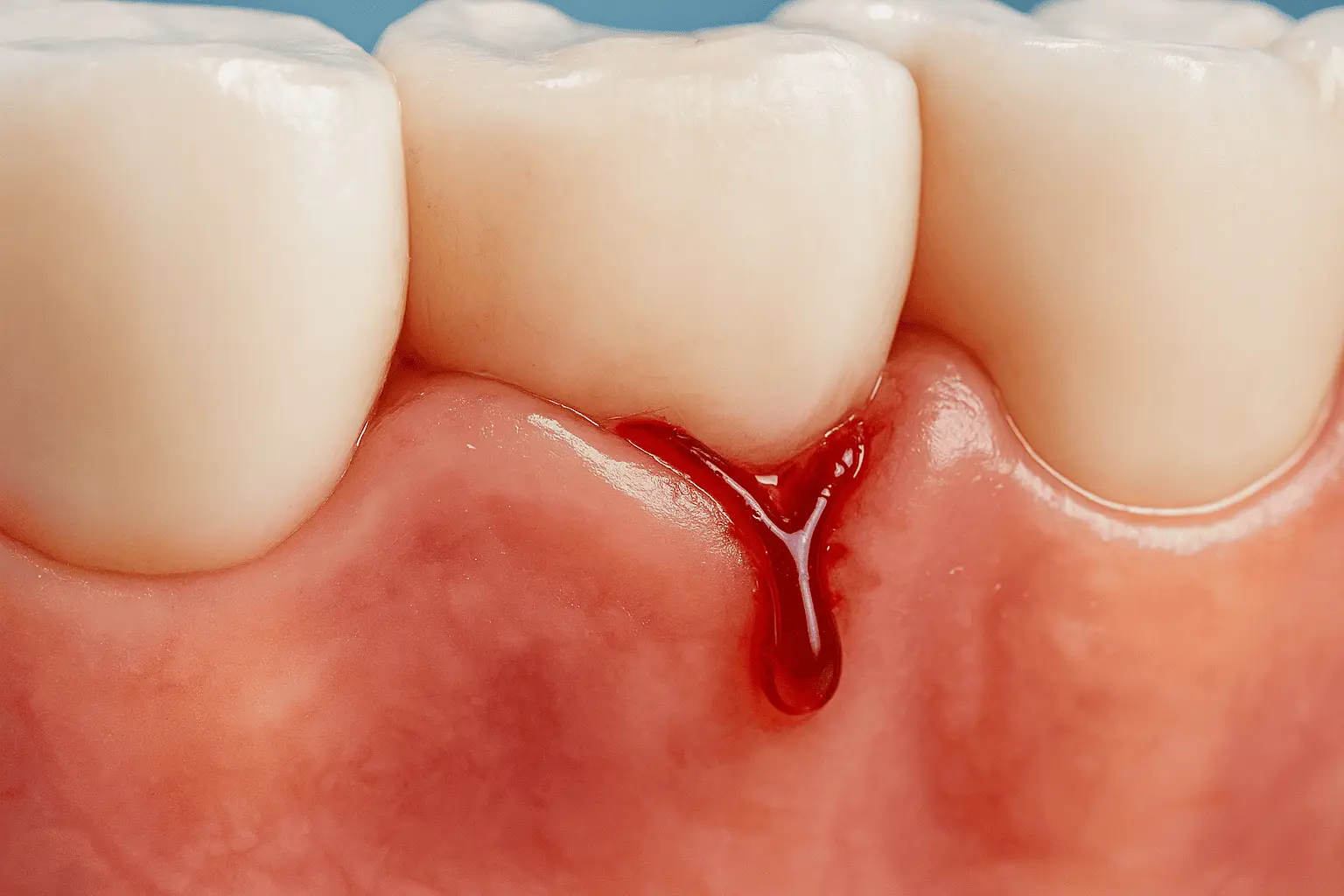
When the enamel surface begins to break down, a visible depression or cavity may form in the tooth. Parents may notice that food gets trapped more frequently in that area.
As caries progresses toward the dentin, sensitivity to hot, sweet, and cold foods may develop in the tooth. Deeper lesions approach the pulp tissue, increasing the risk of spontaneous pain and infection.
A dark spot does not have to be the beginning of decay. Caries can start at an even earlier stage than that.
What is Bottle Decay?
“Bottle decay” is a term long used to describe caries occurring in infants and young children. Modern pediatric dentistry uses the broader concept of "early childhood caries."
The reason for this is that caries is not solely associated with bottle use.
Nighttime bottle use, frequent contact with sugar, oral hygiene, access to fluoride, and individual caries risk are different parts of the same process.
In classic early childhood caries, changes may begin on the surfaces of the upper front primary teeth close to the gumline, but the process can also spread to other primary teeth.
If Primary Teeth Will Fall Out Anyway, Why Treat Decay?
Primary teeth play a role in a child's chewing, speech, and preserving the space where permanent teeth will erupt.
When caries progresses, it can cause pain, discomfort during eating, infection, sleep problems, and other complaints that affect the child's daily life.
If there is still a long time before the primary tooth is shed, waiting out the caries with the mindset that "it will fall out anyway" can cause a problem that could previously have been managed more simply to deepen.
Can Decay in a Primary Tooth Affect the Permanent Tooth?
Not every primary tooth caries damages the underlying developing permanent tooth.
When the problem deepens and turns into an infection in the pulp and periapical tissues, an additional risk may arise for the developing permanent tooth. Therefore, deep caries and infection are evaluated differently from simple superficial caries.
Another issue is the premature loss of a primary tooth. In some cases, the early loss of primary teeth can lead to space loss in the dental arch and undesirable tooth movements. How significant this will be depends on which tooth is lost, the child's dental development stage, and the existing space condition.
For this reason, the preservation, extraction, or need for space maintainers after extraction of a primary tooth is evaluated individually for each child.
Can Primary Tooth Decay Progress Without Causing Pain?
Yes. Caries in a primary tooth can develop in the early stages without causing any pain.
The fact that a child eats and does not complain of a toothache does not indicate that the teeth are healthy. When caries deepens, sensitivity and pain may occur, but even deep damage does not always cause pain.
Therefore, waiting for pain as a "starting signal" for decay is not considered an appropriate approach.
What Should Be Done When a Primary Tooth Decays?
The first step is to determine the stage of the caries and the condition of the tooth.
In early caries areas where the surface has not yet broken down, reducing caries risk, correcting oral hygiene and dietary habits, and applying fluoride and other non-invasive approaches may be possible. If a cavity has already formed on the tooth or caries has reached deeper tissues, the need for restoration and additional pulp-related treatment is evaluated.
Treatment is planned according to the child's age, the depth of the caries, the condition of the pulp, the duration the primary tooth will remain in the mouth, and the individual caries risk.
Waiting for pain to start can lead to a reduction in more conservative treatment options.
How Can Primary Tooth Decay Be Prevented?
The protection of primary teeth begins from the moment the first tooth erupts. The main goal of prevention is to keep bacterial biofilm under control, reduce frequent contact of teeth with sugar, and properly utilize the protective effect of fluoride.
- Start brushing as soon as the first tooth erupts.
- Clean the teeth twice a day with fluoride toothpaste.
- Use an amount the size of a grain of rice for children under 3 years old, and a pea-sized amount for children aged 3–6.
- A parent should supervise the young child's brushing and complete the cleaning when necessary.
- Reduce the frequent provision of sugary foods and drinks throughout the day.
- Ensure that the child's teeth are not exposed to prolonged contact with a bottle or other feeding sources throughout the night.
- Schedule the first dental examination within 6 months after the eruption of the first tooth, and no later than 12 months of age.
How Does Dr. Ümmahani Hüseynova Evaluate Caries in Primary Teeth?
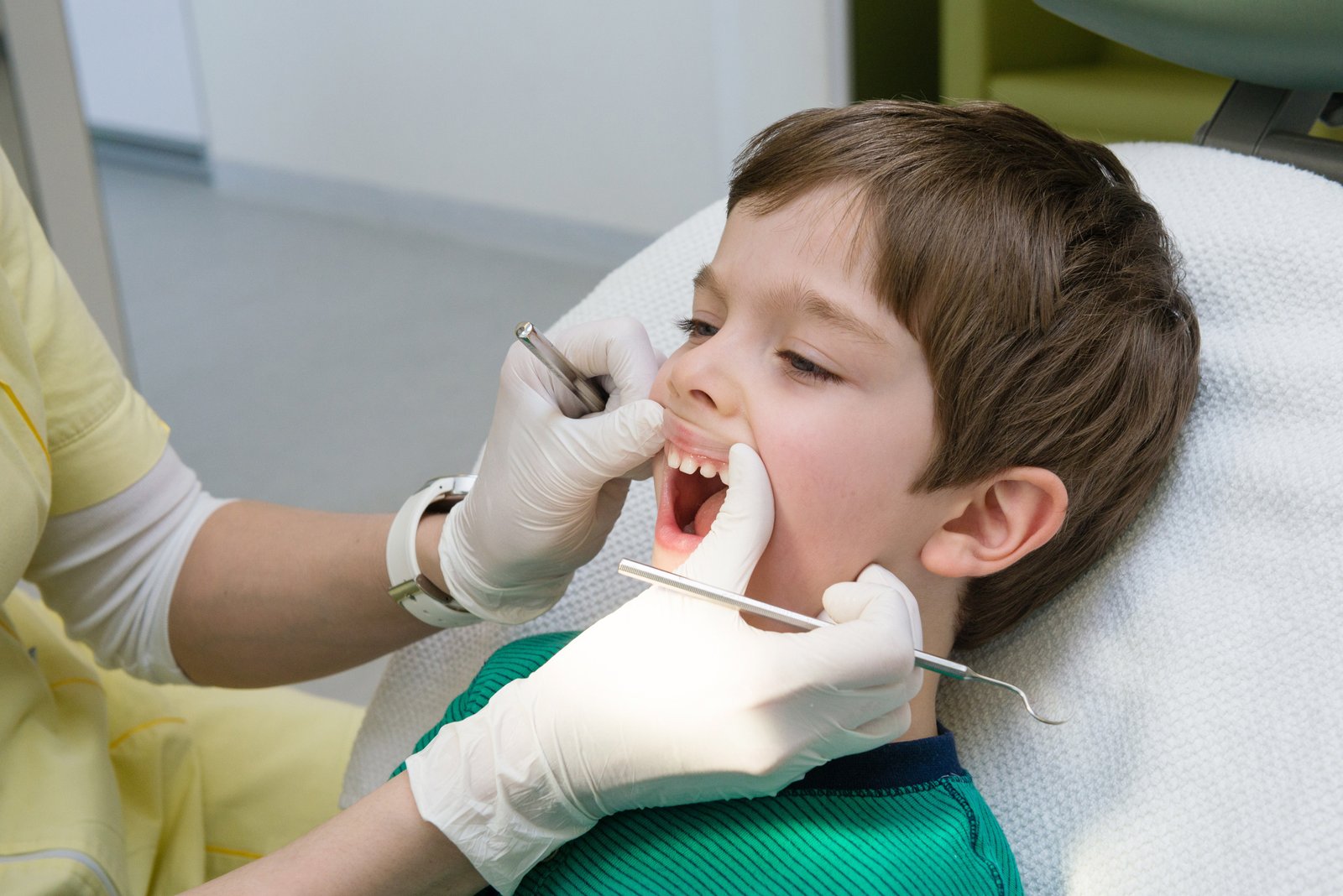
During Dr. Ümmahani Hüseynova's consultations, visible changes in primary teeth are evaluated through a clinical examination. An individualized plan is prepared by taking into account whether the caries is superficial or deeper, the overall condition of the tooth, and the child's treatment needs.
When caries is suspected in areas where teeth touch each other and are not fully visible to the naked eye, or when additional information about the depth of the lesion is required, clinical dental radiography may be utilized according to clinical need.
The goal goes beyond treating a single decayed tooth: an oral hygiene, dietary, and preventive monitoring plan that will help reduce the child's risk for new caries is also considered.
Frequently Asked Questions About Primary Tooth Decay
How Quickly Can a Primary Tooth Decay?
The rate of caries development is not the same in all children. The frequency of sugar contact, oral hygiene, access to fluoride, previous caries, and individual risk factors can influence the speed of the process.
Is Fluoride Toothpaste Suitable for Children?
Yes. The American Academy of Pediatric Dentistry recommends brushing for all children twice a day with an age-appropriate amount of fluoride toothpaste. For children under 3 years old, a thin smear amount the size of a rice grain is used, and for those between 3 and 6 years old, a pea-sized amount is used. Brushing should be performed under parental supervision.
In Which Teeth Does Bottle Decay Most Frequently Begin?
In the classic form of early childhood caries, initial changes may appear on the upper front primary teeth, particularly in areas close to the gumline. As the process progresses, other primary teeth may also be affected.
Is Primary Tooth Decay Contagious?
It would be incorrect to present caries simply as a contagious disease passed from person to person. While certain bacteria associated with caries in the oral microbiota can be transmitted among individuals, the mere presence of bacteria is not sufficient for caries to develop.
The disease develops as a result of the interaction of biofilm, diet, frequency of sugar contact, fluoride, saliva, and individual risk factors.
What Should You Do If You See Decay in a Primary Tooth?
If there is a dull white spot, brown or black discoloration, a depression on the surface, or a visible decayed area on a primary tooth, it is not necessary to wait for the child to feel pain. When caries is detected in its early stages, the tooth surface may not be broken down, leaving opportunities for more conservative approaches.
Brushing twice daily with an age-appropriate amount of fluoride toothpaste starting from the first tooth, reducing frequent contact with sugary foods and drinks, and early dental supervision are the core parts of protecting primary teeth. If caries has already developed, the approach is determined according to the child's age, the condition of the tooth, the depth of the caries, and the individual risk level.
Sources
- American Academy of Pediatric Dentistry. Policy on Early Childhood Caries: Consequences and Preventive Strategies. Latest revision: 2025. Reference Manual of Pediatric Dentistry 2026–2027. (AAPD)
- American Academy of Pediatric Dentistry. Policy on Early Childhood Caries: Unique Challenges and Management Considerations. Latest revision: 2025. (AAPD)
- American Academy of Pediatric Dentistry. Policy on Use of Fluoride. Latest revision: 2023. (AAPD)
- American Academy of Pediatric Dentistry. Caries-risk Assessment and Management for Infants, Children, and Adolescents. Latest revision: 2022; current Reference Manual 2026–2027. (AAPD)
- American Academy of Pediatric Dentistry. Management of the Developing Dentition and Occlusion in Pediatric Dentistry. Latest revision: 2024. (AAPD)
- American Dental Association. Caries Risk Assessment and Management. (Ada)