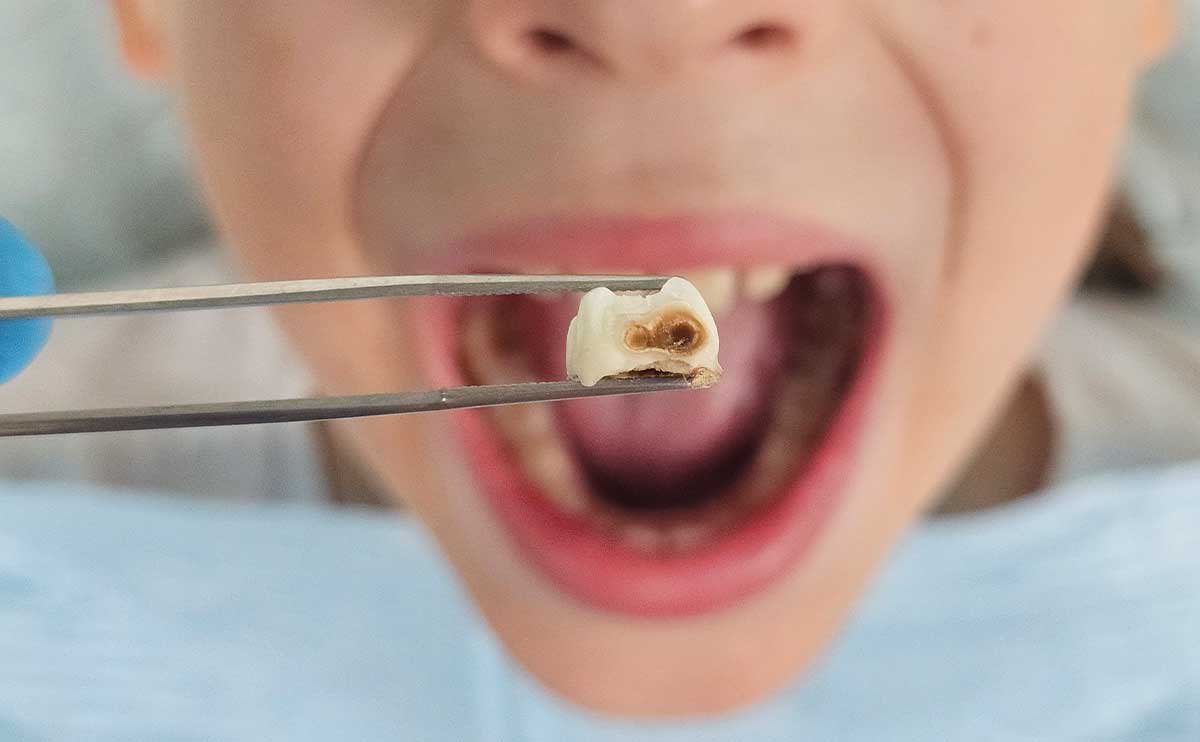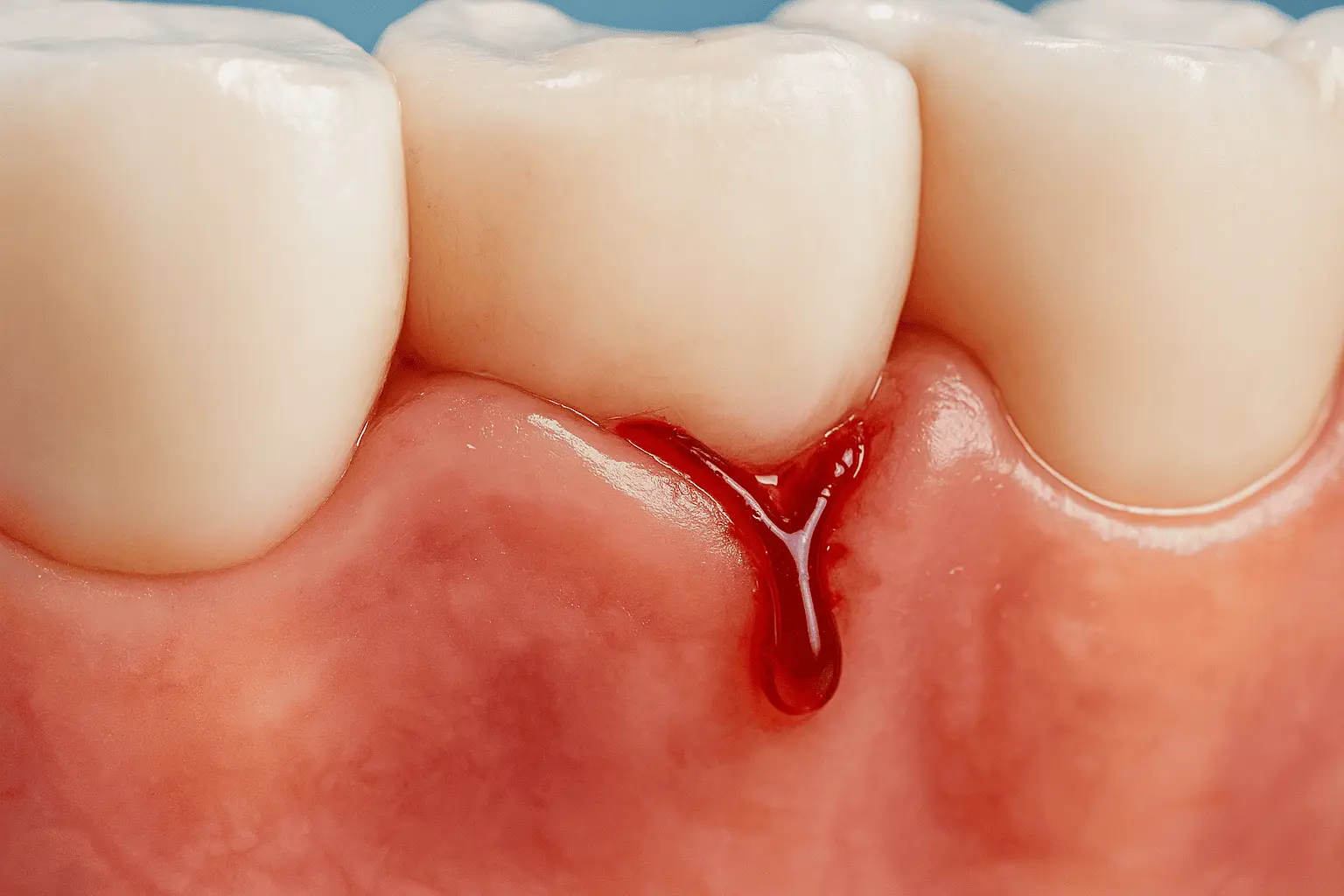
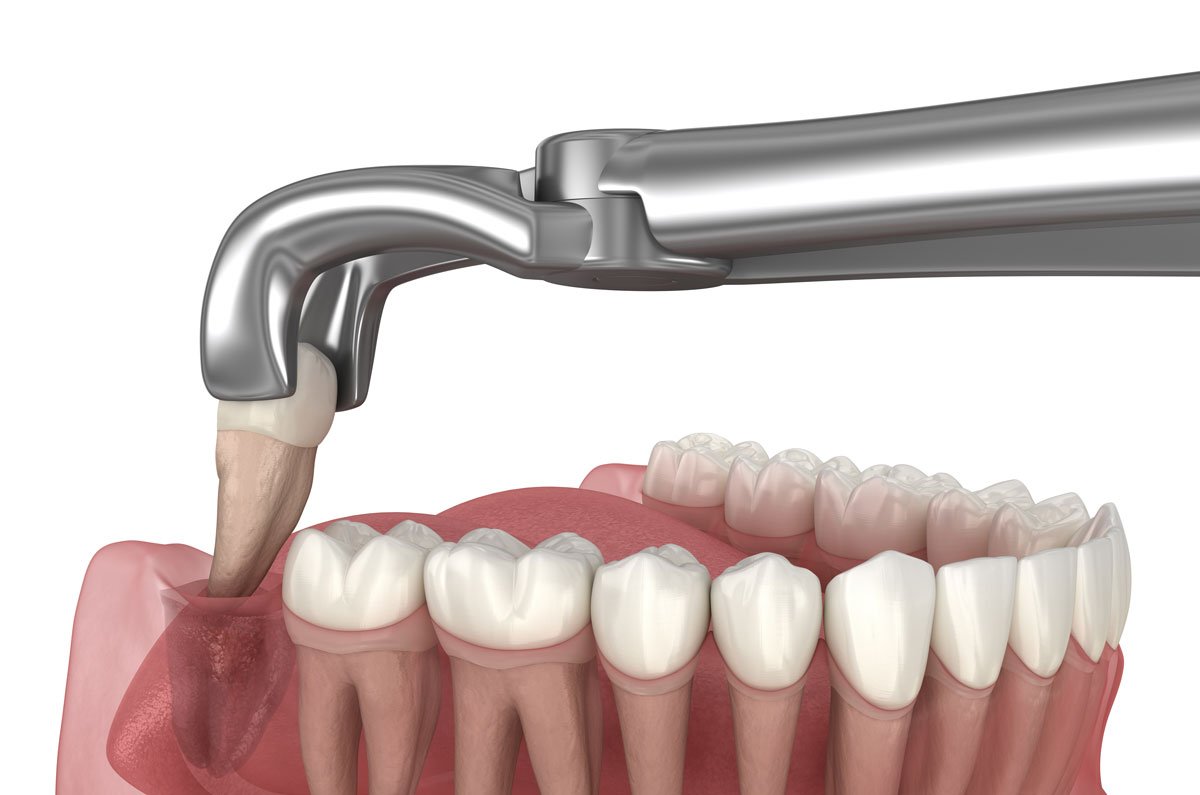
An erupted, partially erupted, impacted, decayed, or frequently inflamed wisdom tooth may need to be extracted. A fully erupted tooth is often removed using a conventional technique, whereas a tooth embedded in bone or beneath gum tissue is extracted surgically. The scope of the procedure varies for each patient.
Table of Contents
OpenWhat is a wisdom tooth and when does it erupt?
A wisdom tooth is the third molar located at the very back of the dental arch. It usually erupts into the oral cavity between the ages of 18 and 24. When there is insufficient space in the jaw, the tooth cannot erupt fully, tilts toward the adjacent tooth, remains partially visible, or stays embedded within the jawbone.
A person can develop up to four wisdom teeth: two in the upper jaw and two in the lower jaw. In some individuals, fewer wisdom teeth form, or they may be absent entirely.
A wisdom tooth can be positioned in the following ways:
- Fully erupted and properly aligned in the dental arch;
- Partially erupted;
- Soft tissue impacted (under the gums);
- Bony impacted (within the jawbone);
- Angulated toward the adjacent tooth;
- Horizontally or otherwise misaligned.
The absence of a tooth in the mouth does not mean it has not formed. The location of an impacted or soft tissue-embedded tooth is determined via radiography.
Does every wisdom tooth need to be extracted?
Not every wisdom tooth requires extraction. A healthy, decay-free, functional, and easily cleanable wisdom tooth can be retained in the mouth. For asymptomatic impacted teeth, the potential benefits and risks of extraction are evaluated based on the tooth's position, the patient's age, and the likelihood of future complications.
This approach means that decisions are made on an individual patient basis. Automatic extraction of a healthy-looking wisdom tooth or keeping it in the mouth without monitoring is not considered a correct approach.
When is wisdom tooth extraction necessary?
If a wisdom tooth causes inflammation, non-restorable decay, an abscess, a cyst, or damage to the adjacent tooth, extraction may be required. Recurrent pain, gum issues, and difficulty opening the mouth also influence the decision to extract. The decision is based on clinical examination and radiographic findings.
Extraction is primarily planned in the following cases:
- Recurrent inflammation around a partially erupted tooth;
- Deep, non-restorable decay;
- Pus accumulation or abscess beneath the gum tissue;
- Decay on the adjacent second molar;
- Root resorption or damage to the adjacent tooth;
- Periodontal pocket formation and bone loss;
- Cysts or other pathological changes surrounding the tooth;
- Persistent trauma to the buccal mucosa (inner cheek);
- Recurrent pain and difficulty opening the mouth (trismus);
- Interference with orthodontic or surgical treatment plans.
A single episode of mild discomfort is not always sufficient grounds for extraction. The underlying cause and frequency of complaints must be investigated.
How do you know if a wisdom tooth is causing problems?
A problematic wisdom tooth can cause pain in the posterior jaw area, gum swelling, bad breath (halitosis), and an unpleasant taste. As inflammation progresses, chewing may become difficult, mouth opening may be restricted, and pain may radiate toward the ear. Recurrence of these symptoms warrants a dental evaluation.
Signs to watch for include:
- Pain in the wisdom tooth region;
- Redness and swelling in the posterior gums;
- Unpleasant taste in the mouth;
- Persistent bad breath;
- Pain during mastication (chewing);
- Difficulty opening the mouth;
- Swelling in the cheek;
- Pus discharge from the gum margin;
- Sensitivity in the adjacent tooth;
- Fever and malaise.
The absence of pain does not guarantee that the tooth and surrounding tissues are healthy. An angular wisdom tooth can cause decay or periodontal breakdown on the distal surface of the adjacent second molar without causing noticeable symptoms for a long time.
What is pericoronitis?
Pericoronitis is the inflammation of the gum tissue surrounding a partially erupted wisdom tooth. Food debris and bacteria accumulate beneath the operculum (the flap of gum tissue partially covering the tooth). This can lead to pain, swelling, bad breath, a foul taste, and trismus. Symptoms often recur.
Pericoronitis is most commonly observed around partially erupted mandibular (lower) wisdom teeth. Because standard toothbrushes cannot reach the area under the operculum, food residue and bacterial plaque cannot be fully removed.
During acute pericoronitis, debris beneath the gum flap is debrided and cleansed. If an abscess is present, drainage may be performed. Antibiotics are generally considered only if the infection spreads to surrounding tissues, if fever develops, or if the patient's systemic condition worsens.
If pericoronitis recurs and there is insufficient space in the jaw for complete eruption, extraction of the wisdom tooth may be necessary.
What is an impacted wisdom tooth?
An impacted wisdom tooth is a fully formed third molar that cannot erupt into its normal position in the dental arch. The tooth may remain entirely within the jawbone or partially visible in the mouth. Its angle, depth within the bone, and relationship to neighboring structures are evaluated via radiography.
Primary causes of impaction include lack of dental arch space, physical blockage by another tooth or bone, and improper eruption orientation.
What is a partially impacted wisdom tooth?
A partially impacted wisdom tooth has partially emerged into the oral cavity, while the remainder stays covered by gum tissue or bone. Food debris can collect between the exposed and covered areas, increasing the risk of gum inflammation, dental caries, bad breath, and recurrent pericoronitis.
For example, while the anterior portion of the tooth might be visible, the posterior portion may remain buried beneath the gum. Patients may brush the visible surface but cannot clean the covered area. Recurrent local inflammation is frequently driven by this lack of accessibility.
What is a fully impacted wisdom tooth?
A fully impacted wisdom tooth remains entirely enclosed within the gum tissue or jawbone. Because it is invisible to the naked eye, its condition cannot be fully determined by clinical inspection alone. Radiographs reveal the tooth's angulation, root morphology, impact on adjacent teeth, proximity to the mandibular canal, and the surrounding bone density.
If a fully impacted tooth exhibits no pathology, observation may be recommended. However, if cysts, infection, damage to adjacent teeth, or other clinical indications are detected, surgical extraction is planned.
Why is a panoramic radiograph taken?
A panoramic radiograph shows the position of the wisdom tooth within the jawbone, its root morphology, and its relationship to neighboring anatomical structures. The image helps determine potential surgical difficulty and the need for further diagnostic imaging. Final decisions regarding the procedure are made after evaluating clinical and radiographic findings together.
A panoramic radiograph evaluates:
- Eruption pathway and orientation;
- Depth of impaction within the bone;
- Number and shape of the roots;
- Proximity to the adjacent second molar;
- Relationship of roots to the inferior alveolar nerve within the mandibular canal;
- Proximity of upper wisdom teeth to the maxillary sinus;
- Condition of the surrounding bone tissue;
- Presence of cysts or other pathological changes.
If a panoramic X-ray reveals a close relationship between the roots and the mandibular canal, 3D imaging (such as CBCT) may be requested in select cases. This examination is not routine for every patient; it is utilized when the results could alter the treatment strategy.
How is wisdom tooth extraction performed?
Wisdom tooth extraction is performed via standard or surgical methods depending on whether the tooth is fully visible in the mouth, its depth within the bone, and its root structure. Prior to the procedure, the patient's health status, current medications, allergies, bleeding risks, and radiographic findings are reviewed. An appropriate local anesthetic is then administered.
A fully erupted tooth that can be grasped with dental instruments can be extracted conventionally. Accessing a tooth embedded under bone or gum tissue requires surgical intervention.
How is a fully erupted wisdom tooth extracted?
After local anesthesia takes full effect, the fully erupted wisdom tooth is carefully detached from surrounding soft tissues. The tooth is manipulated out of its socket using controlled movements, the wound site is inspected, and a sterile gauze pad is placed to promote clotting and control bleeding.
Key steps of a simple extraction:
- Local anesthesia is administered.
- Anesthetic efficacy is verified.
- The tooth is elevated/separated from surrounding tissues.
- The tooth is removed from the socket.
- The socket is debrided and inspected.
- Sutures are placed if necessary.
- Pressure is applied using a sterile gauze pad.
Procedure duration depends on the tooth's position, crown condition, and root morphology.
How is an impacted wisdom tooth extracted?
When an impacted wisdom tooth cannot be accessed conventionally, a surgical approach is required. Local anesthesia is administered, a mucosal flap is elevated, and any obstructing bone is conservatively removed. To extract the tooth with minimal pressure on surrounding tissues, it may be sectioned into several pieces.
Key steps of surgical extraction:
- The tooth and surrounding tissues are anesthetized.
- A surgical incision is made to create a flap.
- A precise amount of bone covering the tooth is removed.
- The tooth is sectioned if necessary.
- Tooth fragments and roots are carefully extracted.
- The surgical field is irrigated and inspected.
- The mucoperiosteal flap is repositioned.
- Sutures are applied as needed.
The complexity of surgical intervention varies based on angulation, impaction depth, root configuration, and proximity to the mandibular canal.
Is wisdom tooth extraction painful?
Once local anesthesia has taken full effect, sharp pain should not be felt during wisdom tooth extraction. The patient may feel pressure, pulling, movement, or vibration. If pain occurs, additional anesthetic is administered before proceeding. Anesthetic depth is always tested prior to starting.
After the anesthetic wears off, pain and tenderness at the surgical site are normal. Discomfort levels vary depending on whether the procedure was simple or surgical, the extent of the intervention, and individual pain thresholds.
Analgesics prescribed by the clinician, along with adherence to post-operative care instructions, effectively help manage discomfort.
What are the risks of wisdom tooth extraction?
Pain, swelling, bruising, and jaw stiffness (trismus) are common temporary post-operative effects. Dry socket, infection, prolonged bleeding, and nerve-related sensory changes are less common complications. Individual risk varies according to tooth position, root anatomy, and surgical difficulty.
Potential risks include:
- Post-extraction pain at the socket site;
- Cheek and gum swelling;
- Bruising (ecchymosis);
- Temporary limitation in mouth opening;
- Persistent bleeding;
- Dry socket (alveolar osteitis);
- Surgical site infection;
- Damage to adjacent teeth or restorations;
- Maxillary sinus involvement (for upper wisdom teeth);
- Sensory alterations in the lower lip and chin;
- Sensory or taste alterations in the tongue.
Roots of lower wisdom teeth may lie close to the inferior alveolar and lingual nerves. Post-operative numbness or a tingling sensation (paresthesia) is usually temporary, though in rare cases, it can persist longer. Individual risks should be discussed prior to the procedure.
How should post-extraction care be handled?
The primary objective following wisdom tooth extraction is to protect the blood clot formed in the socket and keep the surgical site clean. During the first day, vigorous rinsing, frequent spitting, suction on the wound, or consuming hot foods can dislodge the clot, reinitiate bleeding, and impair healing.
What should you keep in mind during the first 24 hours?
The first 24 hours are critical for stabilizing the blood clot. Gauze pads should be kept in place as instructed, vigorous rinsing avoided, and the wound left undisturbed. Hot foods, frequent spitting, smoking, and heavy physical activity increase the risk of bleeding and delayed healing.
On the first day:
- Keep the gauze pad in place for the prescribed duration;
- Rest with your head slightly elevated;
- Apply cold compresses to the cheek intermittently;
- Choose soft, cool, or lukewarm foods;
- Take prescribed medications as directed;
- Do not touch the surgical site with your tongue or fingers;
- Be gentle around the surgical site when brushing your teeth.
During the first 24 hours, avoid:
- Vigorous mouth rinsing;
- Frequent or forceful spitting;
- Creating suction at the wound site;
- Consuming very hot food and beverages;
- Consuming alcohol;
- Engaging in strenuous exercise or physical labor.
It is strongly advised to abstain from smoking and vaping for at least 48 hours, and ideally longer. Tobacco adversely affects blood clot stability and wound healing, significantly increasing the risk of dry socket.
A slight taste of blood and minor oozing are normal. However, if the mouth rapidly fills with blood and bleeding does not subside despite pressure on a gauze pad, contact your dentist promptly.
How should you rinse your mouth after extraction?
The mouth should not be forcefully rinsed on the day of extraction. Vigorous movements can dislodge the blood clot and cause bleeding to recur. After the first 24 hours, gentle warm salt-water rinses may be used as advised by your dentist. Hold the solution gently in your mouth and let it spill out passively.
Warm salt water helps reduce food particles accumulating around the wound after meals. If an antiseptic mouthwash has been prescribed, use it strictly according to your dentist's instructions regarding timing and duration.
What can you eat after a wisdom tooth extraction?
Post-extraction diet should consist of soft, easy-to-chew, and lukewarm or cold foods. Try to chew on the side opposite the surgical site. Hard, sharp-edged, granular, or sticky foods can trigger bleeding, pain, and mechanical irritation.
Recommended foods:
- Yogurt;
- Mashed potatoes and vegetable purees;
- Soft scrambled eggs;
- Lukewarm soups;
- Mashed bananas;
- Porridge / oatmeal;
- Soft pasta;
- Well-cooked vegetables;
- Cottage cheese and soft cheeses.
Foods to avoid in the initial days:
- Very hot foods and drinks;
- Nuts and seeds;
- Popcorn;
- Chips and crackers;
- Crusty bread;
- Spicy and heavily seasoned dishes;
- Small grains that could lodge in the socket;
- Foods requiring vigorous chewing.
Eating while still numb increases the risk of accidentally biting your cheek, lip, or tongue. Transition back to a normal diet gradually as pain subsides and chewing comfort improves.
How long does the healing process take?
Recovery time following wisdom tooth extraction depends on whether the procedure was simple or surgical, the depth of impaction, and the patient's overall health. Pain and swelling peak in the first few days. Bone and tissue regeneration inside the socket continues over a longer period.
The following timeline offers general guidance:
- First 24 hours: Blood clot forms; minor oozing and lingering anesthetic effects may occur.
- First 48–72 hours: Swelling and trismus (jaw stiffness) reach their peak.
- First week: Pain and swelling gradually diminish.
- End of week 1: Mouth opening and chewing generally become comfortable.
- Subsequent weeks: Soft tissue closure and bone remodeling inside the socket continue.
Healing timelines differ between simple and surgical extractions. In some surgical cases, mild discomfort, stiffness, and swelling can persist for up to two weeks. Smoking, diabetes, infection, or dry socket can prolong healing.
What is a dry socket and how is it recognized?
Dry socket (alveolar osteitis) is a painful condition caused by the failure of a blood clot to form or its premature loss from the extraction site. Instead of subsiding, pain typically intensifies 3–5 days post-extraction. Discomfort may radiate to the ear and temple, often accompanied by halitosis and an unpleasant taste.
Signs of dry socket:
- Throbbing, escalating pain;
- Pain radiating to the ear, temple, or neck;
- Foul taste in the mouth;
- Bad breath;
- A visibly empty-looking socket;
- Lack of relief from standard over-the-counter pain relievers.
Smoking, difficult surgical extractions, and trauma to the clot increase risk. Dry socket occurs most frequently after mandibular wisdom tooth extractions.
Do not attempt to probe or clean the socket yourself. The dentist will gently irrigate the area and apply a medicated dressing to soothe the nerve endings. Antibiotics are not routinely required for dry socket unless a secondary systemic infection is present.
When should you contact your dentist urgently?
Increasing pain or swelling rather than improvement, persistent uncontrolled bleeding, fever, purulent (pus) discharge, or a severe foul taste require prompt dental re-evaluation. Rapidly spreading swelling in the face or neck, difficulty swallowing, or breathing issues warrant emergency medical attention. Persistent nerve numbness should also be reported.
Contact your clinician if:
- Bleeding persists despite continuous direct pressure;
- Pain worsens significantly on days 3–5;
- Prescribed analgesics fail to manage pain;
- There is an acute bad taste or odor from the mouth;
- Pus drains from the surgical site;
- Fever or systemic chills develop;
- Swelling recurs or worsens after initially decreasing;
- Mouth opening becomes progressively restricted;
- Numbness or altered sensation in the lip, chin, or tongue persists;
- You experience difficulty swallowing or breathing.
Any prolonged numbness after the local anesthetic should have worn off must be communicated to your dentist.
Should wisdom teeth be removed before getting braces?
Wisdom teeth are not automatically removed before every orthodontic treatment. The decision is made by the orthodontist based on tooth alignment, available jaw space, wisdom tooth position, presence of pathology, and planned tooth movements. Routine prophylactic extraction is not mandatory, as there is no definitive evidence that wisdom teeth cause anterior crowding on their own.
Extraction during orthodontic care may be considered if:
- The wisdom tooth impedes the eruption or movement of another tooth;
- It complicates the orthodontic or orthognathic surgical plan;
- The tooth suffers from decay or recurrent inflammation;
- It poses a risk to the root structure of the adjacent tooth;
- Future oral hygiene maintenance around the tooth appears unfeasible.
Removing wisdom teeth solely to prevent post-orthodontic relapse is not a universally justified approach. Factors such as age, tooth size, jaw morphology, and facial growth also contribute to late dental crowding.
How do you distinguish between wisdom tooth pain and TMJ pain?
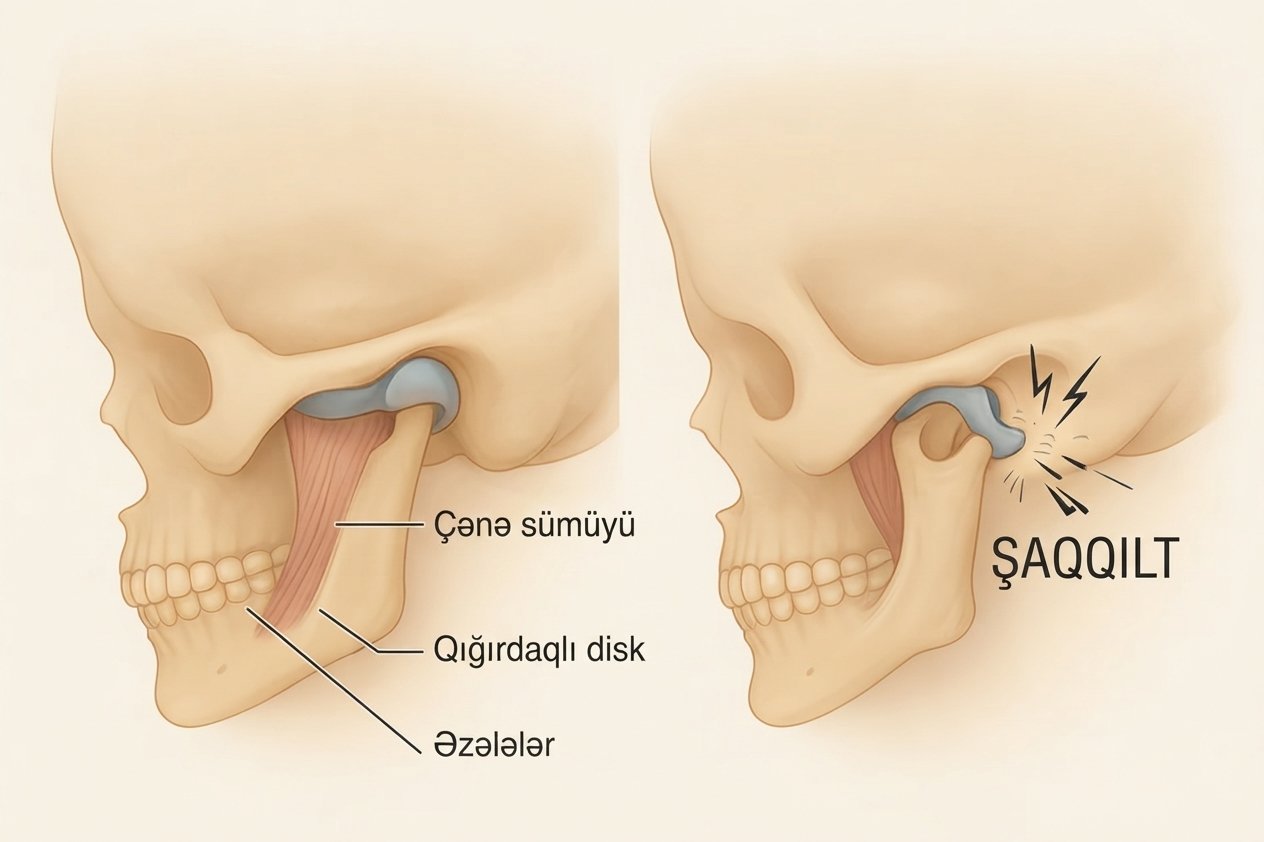
Wisdom tooth pain is predominantly localized to the posterior teeth and surrounding gums. Inflammation may bring localized swelling, foul taste, and trismus. Temporomandibular joint (TMJ) disorders, by contrast, often present with preauricular pain (in front of the ear), joint clicking or popping, muscle fatigue, and discomfort specifically linked to jaw movements.
Because symptoms can overlap, diagnosing the exact pain origin requires clinical assessment. During an examination, the posterior dentition, periodontium, masticatory muscles, and temporomandibular joint are evaluated individually.
What determines the cost of wisdom tooth extraction?
The cost of wisdom tooth extraction depends on whether the tooth is fully erupted or impacted, its position within the bone, and the overall complexity of the procedure. A simple extraction of a fully visible tooth requires less clinical time and surgical resources than an impacted tooth encased in bone. Exact fees are determined following a clinical exam and X-ray review.
Factors affecting cost include:
- Full vs. partial eruption;
- Depth of impaction in the jawbone;
- Maxillary (upper) vs. mandibular (lower) arch location;
- Root morphology and number;
- Proximity to the inferior alveolar nerve;
- Simple vs. surgical approach;
- Requirement for tooth sectioning;
- Need for suturing and wound closure materials;
- Panoramic X-rays or advanced 3D imaging (CBCT);
- Follow-up visit requirements;
- Treatment of concomitant infection or pathology.
Accurate cost estimation is difficult without reviewing a current radiograph.
When can you consult Dr. Ummahani Huseynova?
If you are experiencing pain, swelling, bad taste, halitosis, or restricted mouth opening near your wisdom teeth, you can schedule an initial consultation with Dr. Ummahani Huseynova. The examination will assess the clinical state of the tooth, its impact on adjacent teeth, and panoramic radiograph findings before discussing potential treatment options.
If orthodontic treatment is planned, the impact of wisdom teeth on the orthodontic plan will also be factored in. Should you experience jaw pain, joint clicking, or limited mobility, a dedicated TMJ evaluation will be conducted.
If surgical extraction is indicated, you will be informed about whether the procedure can be performed at the clinic or if a referral to an oral and maxillofacial surgeon is recommended.