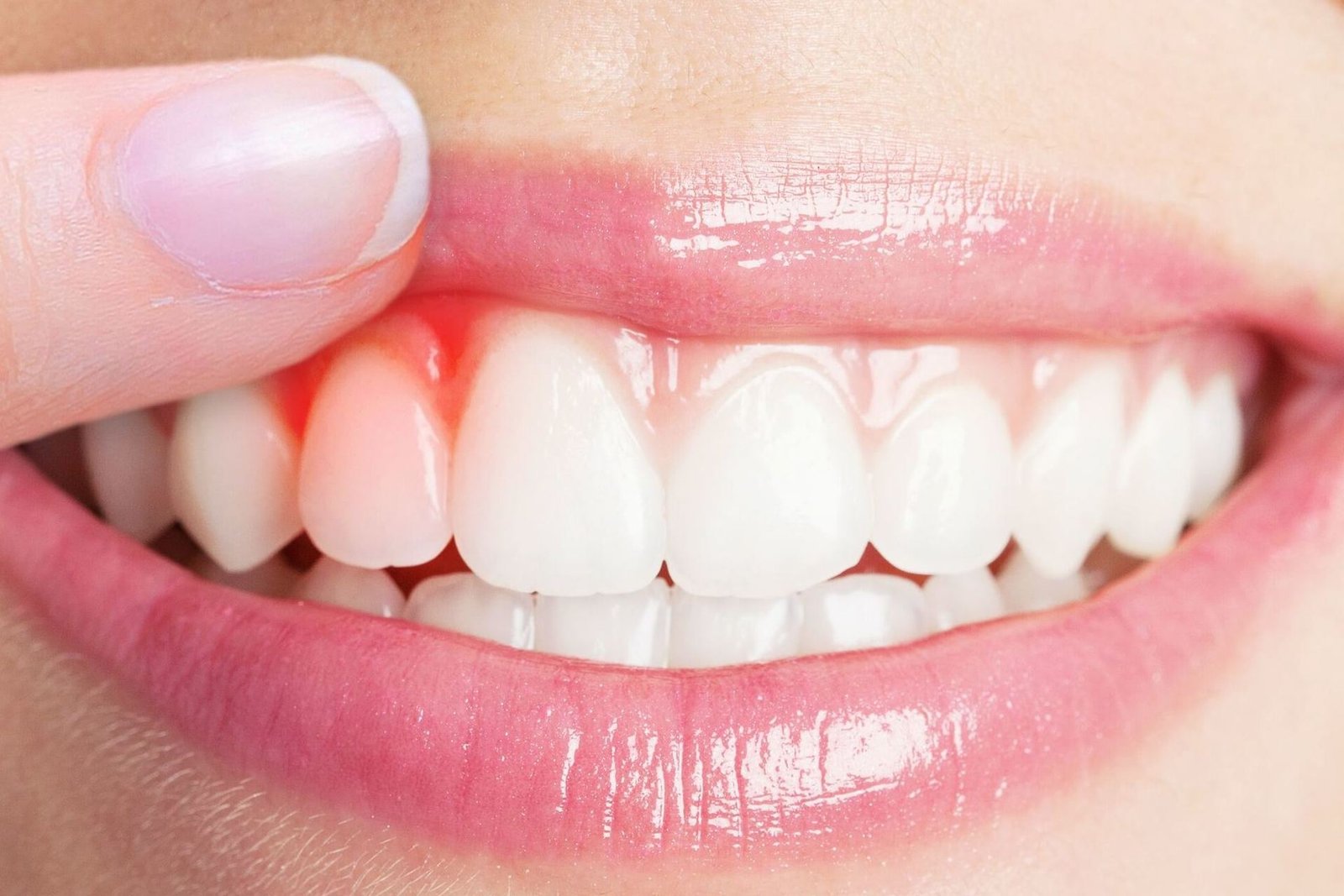
In its early stages, inflammation is limited to the gums and can heal with proper treatment. If the process deepens, the periodontal tissues holding the tooth in the jawbone can be damaged, leading to bone loss and tooth mobility.
Table of Contents
OpenWhat is gum inflammation (gingivitis)?
Gum inflammation, or gingivitis, is an inflammatory response of the gums to bacterial plaque. During gingivitis, loss of the bone tissue supporting the tooth does not occur. Gum health can be restored when bacterial plaque is removed in a timely manner, tartar is cleaned, and daily oral care is improved.
Bacterial plaque is a soft, sticky layer that forms on teeth throughout the day. Oral bacteria, food debris, and substances contained in saliva accumulate in this layer.
If plaque is not cleaned daily, it hardens under the action of minerals in saliva and turns into tartar (dental calculus). Hardened tartar cannot be removed with an ordinary toothbrush and dental floss. Its removal requires dental instruments.
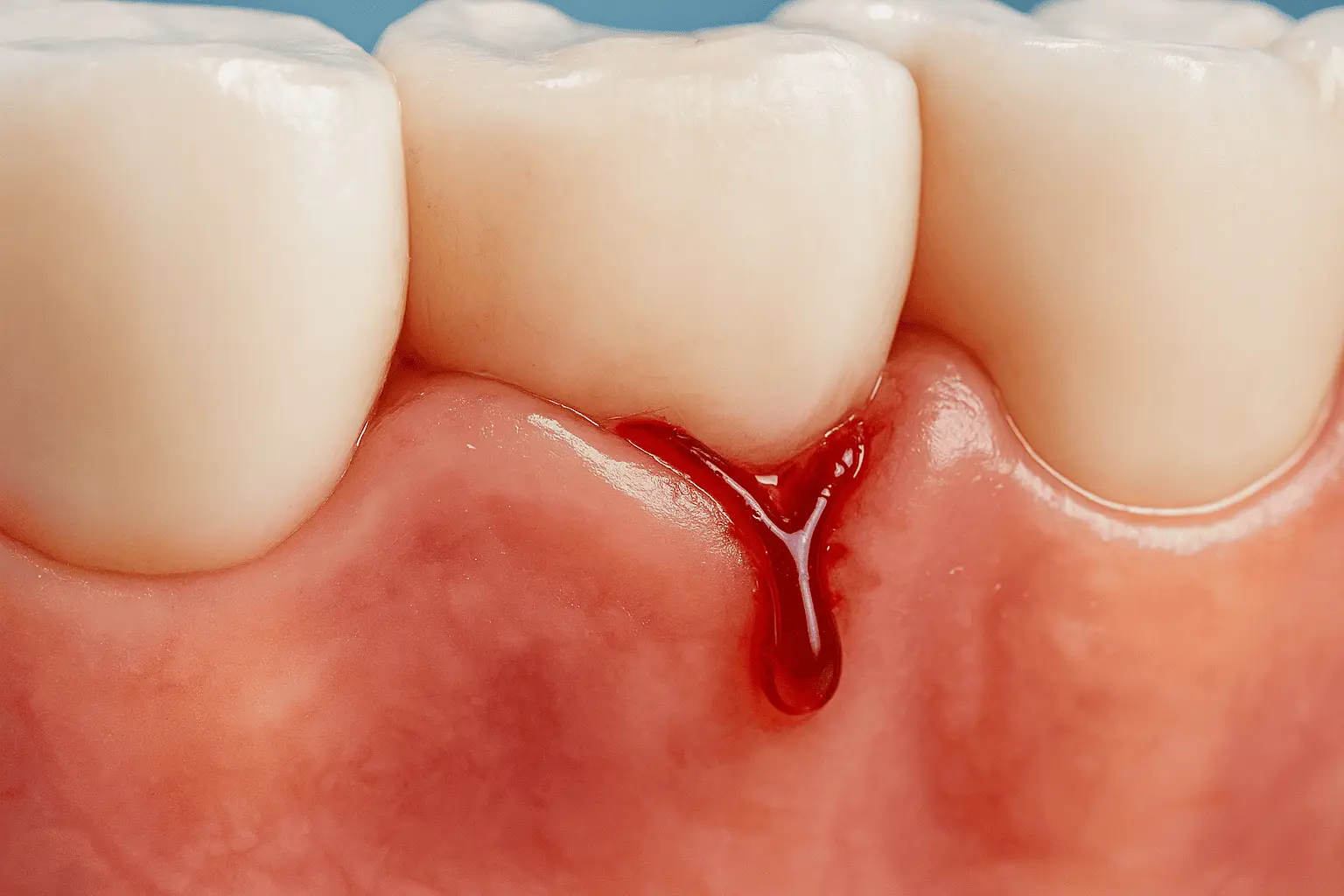
Healthy gums fit tightly to the tooth surface, do not appear swollen, and do not bleed during brushing. When inflammation begins, gums may become red, soft, swollen, and bleed upon light contact.
What are the symptoms of gum inflammation?
The most common symptoms of gingivitis are bleeding during brushing, redness in the gums, swelling, sensitivity, and bad breath. The problem often develops without causing severe pain. Therefore, patients may notice the initial changes late. Recurrent bleeding is not considered normal for healthy gums.
During gingivitis, these symptoms may be observed:
- Bleeding while brushing teeth;
- Bleeding while cleaning between teeth;
- Reddened and swollen gums;
- Sensitivity along the gum margin;
- Persistent bad breath;
- An unpleasant taste in the mouth;
- Visible tartar on the tooth surface;
- Changes in gum shape.
Gum recession, purulent discharge, tooth mobility, or shifting of teeth may indicate a deeper periodontal problem. These symptoms can show that inflammation has spread to the tissues supporting the tooth.
Bleeding sometimes also occurs as a result of a hard toothbrush and excessive pressure. If the complaint recurs, the cause should be clarified during a dental examination.
Why do gums become inflamed?
Gums primarily become inflamed due to bacterial plaque accumulating at the junction of the tooth and gum line. Tartar, crowded teeth, braces, smoking, dry mouth, hormonal changes, and poorly controlled blood sugar increase the risk. During the examination, areas where plaque accumulates most and where bleeding starts are checked.
How does bacterial plaque turn into tartar?
When teeth and interdental spaces are not cleaned well, bacterial plaque remains along the gum margin. Minerals in saliva gradually harden this soft layer, forming tartar. On the rough surface of tartar, new plaque accumulates more easily, creating conditions for inflammation to persist.
Along with deposits visible on the gums, there can also be subgingival tartar located beneath the gums. When deposits spread toward the root surface, superficial cleaning may not be sufficient.
Do crowded and crooked teeth increase the risk of inflammation?
It becomes difficult for a brush to reach the interdental surfaces of crowded, overlapping, and rotated teeth. In uncleaned areas, bacterial plaque remains for a longer period, causing bleeding and swelling. If tooth alignment poses a serious obstacle to oral hygiene, an orthodontic evaluation can be planned after gum health is restored.
For example, when lower front teeth are crowded, the same size interdental brush may not be suitable for all spaces between the teeth. A thin size is selected for narrow areas, while a larger size is chosen for wider gaps.
An interdental brush should not force its way into a space. An excessively thin brush, on the other hand, may pass through without sufficiently contacting the tooth surface. The appropriate size is determined during a dental check-up.
How does smoking affect gum health?
Smoking increases the risk of gum disease, impairs tissue healing, and can negatively affect the outcome of periodontal treatment. According to the US Centers for Disease Control and Prevention, the risk of gum disease in smokers is approximately twice as high compared to non-smokers.
If smoking continues, keeping gum disease under control can become difficult. If the patient smokes, they should inform the dentist.
Can diabetes worsen gum inflammation?
In diabetes, oral infections can be more severe, and tissue healing may be prolonged. Poorly controlled blood sugar affects the course of periodontal problems. A patient with diabetes should inform the dentist during the appointment about the medications they use and their blood sugar control.
Gum health and blood sugar control can influence each other. Therefore, carrying out dental and medical monitoring in parallel is important.
What is the difference between gingivitis and periodontitis?
Gingivitis is early inflammation limited to the gums. In periodontitis, inflammation spreads to the periodontal tissues holding the tooth in the jawbone. Periodontal pockets can deepen, and loss of the bone tissue supporting the tooth may occur. Periodontitis requires more extensive treatment and continuous dental supervision.
| Comparison | Gingivitis | Periodontitis |
|---|---|---|
| Affected area | Gums | Gums, periodontal tissues, and bone |
| Main symptoms | Bleeding, redness, and swelling | Gum recession, deep pockets, loose teeth |
| Bone loss | Does not occur | Can occur |
| Treatment | Professional cleaning and correction of oral care | Deep cleaning and personalized periodontal treatment |
| Goal of treatment | To restore gum health | To control inflammation and prevent further tissue loss |
It is not possible to accurately distinguish gingivitis from periodontitis based solely on the appearance of gum bleeding. For diagnosis, the gingival sulcus and potential periodontal pockets are measured, tooth mobility is checked, and X-ray images are taken if necessary.
How is gum inflammation diagnosed?
Diagnosis is made by examining the oral cavity and evaluating bleeding areas, tartar, and periodontal pockets. The doctor checks for gum recession, tooth mobility, and oral hygiene. When bone loss is suspected, an X-ray examination helps refine the treatment plan.
During the examination, the following are mainly inspected:
- The color and shape of the gums;
- Bleeding upon light contact;
- Areas where bacterial plaque accumulates;
- Supragingival and subgingival tartar;
- Depth of the gingival sulcus and periodontal pockets;
- Gum recession;
- Tooth mobility;
- Hygiene around braces, bridges, and other restorations;
- Risk factors such as smoking, diabetes, and dry mouth.
A periodontal pocket is a pathological deepening of the gingival sulcus as a result of disease. As the pocket deepens, more bacterial plaque accumulates in that area, making daily cleaning difficult.
An X-ray image helps evaluate tooth roots, jawbone, and changes at the bone level. Soft gum tissues are examined through clinical inspection and measurements.
How is gum inflammation treated?
Treatment of gum inflammation consists of professional dental cleaning, personal oral care instruction, and follow-up examinations. If subgingival deposits and deep periodontal pockets are detected, root surface cleaning (scaling and root planing) may be planned. The stages of treatment are chosen according to the diagnosis of gingivitis or periodontitis.
How is professional dental cleaning performed?
During professional dental cleaning, soft plaque and hardened tartar accumulated on tooth surfaces and along the gum line are removed. Ultrasonic scaling devices and hand instruments may be used in the procedure. The goal is to clean the bacterial deposits sustaining the inflammation and to facilitate daily oral care.
Vibrations of the ultrasonic device detach tartar from the surface, while a stream of water washes the cleaned area. Healthy tooth structure is not ground down during the procedure.
Temporary sensitivity may occur in teeth after cleaning. As inflammatory swelling subsides, teeth may appear slightly longer than before.
Some patients feel that spaces have opened up between their teeth after cleaning. Those areas were previously filled with tartar and swollen gums. Once deposits are cleaned, the actual distance between teeth becomes visible.
Is tartar removal painful?
During tartar removal, most patients may feel mild discomfort or sensitivity. If the gums are severely inflamed, tooth roots are exposed, or deep cleaning is performed, sensitivity may increase. When needed, local anesthesia is applied, making the procedure more comfortable.
The sensation of pain is not the same for all patients. The amount of tartar, the degree of gum inflammation, and the sensitivity of tooth roots influence the discomfort felt during the procedure.
When is deep cleaning below the gums performed?
Deep cleaning under the gums (subgingival scaling and root planing) is performed when bacterial plaque and tartar accumulate in periodontal pockets. During the procedure, deposits remaining under the gums are removed, and the tooth root surface is cleaned and smoothed. This treatment is most commonly planned when periodontitis is diagnosed.
Treatment can be carried out over several appointments depending on the spread of the problem within the mouth. Local anesthesia is applied in areas with high sensitivity.
After deep cleaning, periodontal pockets and bleeding areas are re-checked. Based on the outcome, a follow-up program is prepared, and the need for additional treatment is evaluated.
Why is mouthwash used in treatment?
Antiseptic mouthwash is added to professional cleaning and daily oral care in selected cases. Mechanical cleaning is required to remove hardened tartar. The formulation of the product, duration of use, and frequency of application should be selected according to the condition of the oral cavity.
Chlorhexidine-containing rinses are used for the duration specified by the doctor. Uncontrolled long-term application can cause staining on teeth and alterations in taste perception.
The formulation and duration of use of therapeutic mouthwashes differ from daily oral care products. Mouthwash should be selected according to the condition of the gums and oral cavity.
When are antibiotics prescribed for gum inflammation?
In simple gingivitis, antibiotics are rarely included in the treatment plan. The primary outcome is achieved through mechanical removal of bacterial plaque and tartar, followed by proper oral care. Fever, spreading swelling, and deterioration of general health require investigation for other potential infections.
The decision regarding antibiotics is made after a dental examination. Taking a medication previously prescribed for another problem for the same complaint again can pose risks.
Medication does not remove hardened tartar from the tooth surface. If the root cause is not addressed, symptoms may recur.
How long does it take for gum inflammation to heal?
In early gingivitis, bleeding and swelling gradually decrease after professional cleaning and proper oral care. The healing period varies according to the amount of tartar, the level of inflammation, and daily home care. When periodontitis is detected, treatment takes longer and requires follow-up examinations.
A reduction in bleeding is a positive change, but the condition of periodontal tissues must also be evaluated during follow-up visits. The doctor re-inspects periodontal pockets, bleeding areas, and the quality of daily cleaning.
Smoking, diabetes, dry mouth, braces, and poor oral hygiene can affect the healing process.
How should home care be conducted after treatment?
The results of professional cleaning are maintained through proper daily care. Teeth should be brushed at least twice a day with fluoride toothpaste, and interdental spaces should be cleaned daily. The choice of dental floss and interdental brushes should be adapted to tooth alignment and interdental gaps.
During daily care:
- Use a soft-bristled toothbrush.
- Clean the gum margin without applying strong pressure.
- Brush the outer, inner, and chewing surfaces of the teeth.
- Clean between teeth once a day.
- Gently remove the coating accumulated on the tongue.
- Replace worn toothbrushes with bent bristles.
- Adhere to the schedule for follow-up examinations.
Dividing the oral cavity into four quadrants makes brushing easier. Spending approximately 30 seconds on each quadrant brings total brushing time to two minutes.
Leaving a bleeding area uncleaned creates conditions for plaque to accumulate even more in that location. Cleaning should be continued with gentle movements; in case of severe and repeated bleeding, a dentist should be consulted.
Acidic substances such as lemon and vinegar can damage the tooth surface. Attempting to dislodge tartar with needles or metal tools creates additional risks for the gums, enamel, and tooth roots.
How is gum health protected during braces?
Brackets and orthodontic wires in a brace system create areas that are difficult to clean. If bacterial plaque remains in these regions, gum bleeding, swelling, and bad breath can occur. During orthodontic treatment, more time should be dedicated to brushing, and orthodontic hygiene tools should be used correctly.
For patients using braces, these tools may be selected:
- Orthodontic toothbrush;
- Single-tufted (end-tuft) brush;
- Interdental brush of appropriate size;
- Orthodontic dental floss;
- Oral irrigator (water flosser);
- Fluoride toothpaste.
Even if the visible surface of the front teeth is clean, bacterial plaque can remain in the narrow space between the bracket and the gum. The brush should be directed separately to the top, bottom, and side portions of the bracket.
If active gum inflammation is detected before orthodontic treatment, gum health is restored first. Tooth crowding, malocclusion, and orthodontic treatment needs are evaluated by an orthodontist.
Under what circumstances should a dentist be consulted?
Recurrent gum bleeding, purulent discharge, tooth mobility, increasing pain, and swelling require dental examination. If rapidly spreading swelling in the face and neck, fever, or difficulty swallowing or breathing occurs, an urgent medical evaluation must be performed.
Do not delay the examination if:
- Gums bleed during every brushing;
- Swelling progressively increases;
- Bad breath persists despite daily cleaning;
- Gums are receding;
- Loosening is felt in teeth;
- Pus exudes from the gum margin;
- Pain occurs during chewing;
- Gums enlarge around braces.
Increasing swelling in the face and neck, along with difficulty swallowing and breathing, suggests a more extensive infection and may require emergency medical attention.
When can Dr. Ummahani Huseynova be consulted?
If you experience gum bleeding, swelling, tartar, bad breath, or difficulty cleaning around braces, you can schedule an appointment with Dr. Ummahani Huseynova. During the examination, the condition of the oral cavity is evaluated, the cause of the complaint is investigated, and a treatment sequence tailored to the patient's needs is prepared.
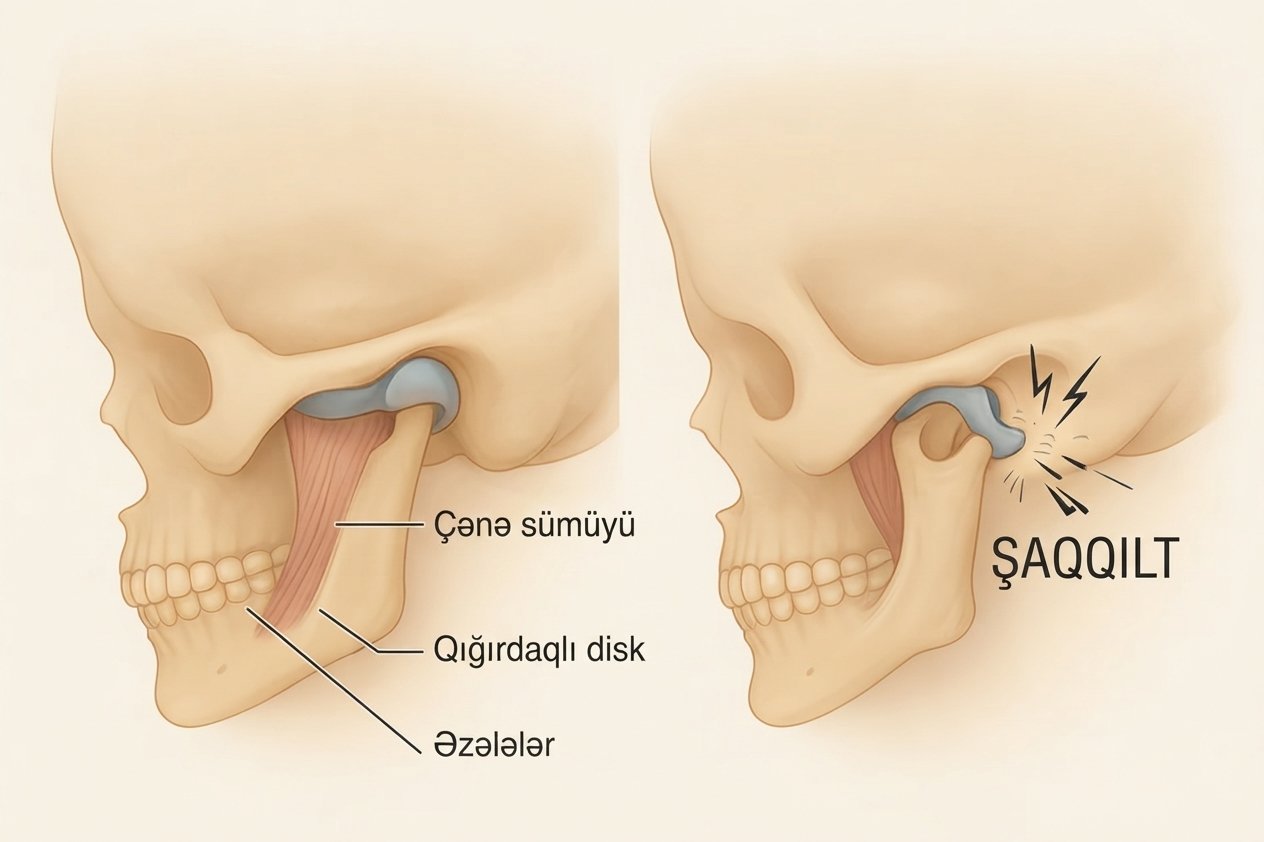
If crowding or bite issues are detected, the need for an orthodontic evaluation is determined. If there is jaw pain, clicking sounds, or difficulty opening the mouth, temporomandibular joint (TMJ) disorders are reviewed separately. These complaints can arise from causes different from gum inflammation.
Early-stage treatment of gum inflammation helps preserve the tissues supporting the teeth and reduces the risk of the problem progressing to a more severe stage.