
In case of a toothache, rinse your mouth with warm water, gently clean with dental floss if there is food residue between the teeth, and avoid chewing on the painful side. Choose soft, warm foods and stay away from very hot, cold, hard, and sugary products. These measures can temporarily relieve the pain, but they do not eliminate the underlying cause of the problem.
Table of Contents
OpenIf the pain lasts for more than two days, wakes you up at night, recurs, worsens when biting, or if swelling occurs in your cheek and gums, do not delay a dental examination. Clinical examination, sensitivity tests, and X-ray imaging when necessary can be performed to determine the cause of the pain.
If rapidly increasing swelling in the mouth, face, or neck causes difficulty breathing, swallowing, or speaking, call emergency medical assistance immediately.
To determine the cause of severe toothache and receive appropriate treatment, you can schedule an appointment with Dr. Ummahani Huseynova.
What should be done first in case of severe toothache?
When severe toothache begins, the main goal is to keep the oral cavity clean, avoid factors that increase pain, and not delay a dental examination.
Apply the following steps first:
- Rinse your mouth with warm water.
- If there is food residue between your teeth, clean it carefully with dental floss.
- Stay away from very hot, very cold, hard, and sugary foods.
- Consume soft and warm foods.
- Do not apply additional pressure to the painful area.
- If there is swelling in the cheek, apply a cold compress wrapped in a cloth externally.
- If the pain persists, schedule a dentist appointment.
Do not try to clean between teeth with needles, pins, or other sharp objects. Puncturing the gums or squeezing swelling suspected to be an abscess can damage tissues and aggravate the condition.
Rinsing with warm water, removing food particles with dental floss, and applying cold compresses where appropriate are temporary first-aid methods used for toothache. Aspirin or other painkiller tablets should never be placed directly on the gums, as this can cause tissue burns.
What diseases can severe toothache be a symptom of?
Severe toothache is not a separate disease, but a symptom of a problem in the tooth or surrounding tissues. It is impossible to accurately determine the cause of pain based solely on its intensity and location.
The most common causes are:
- deep dental decay;
- pulpitis, i.e., inflammation of the dental pulp;
- tooth or tooth root abscess;
- inflammation around the root apex;
- cracked or broken tooth;
- loose or fallen filling;
- incomplete eruption of a wisdom tooth;
- gum diseases;
- teeth clenching and grinding;
- trauma to the tooth and jaw area;
- sensitive teeth.
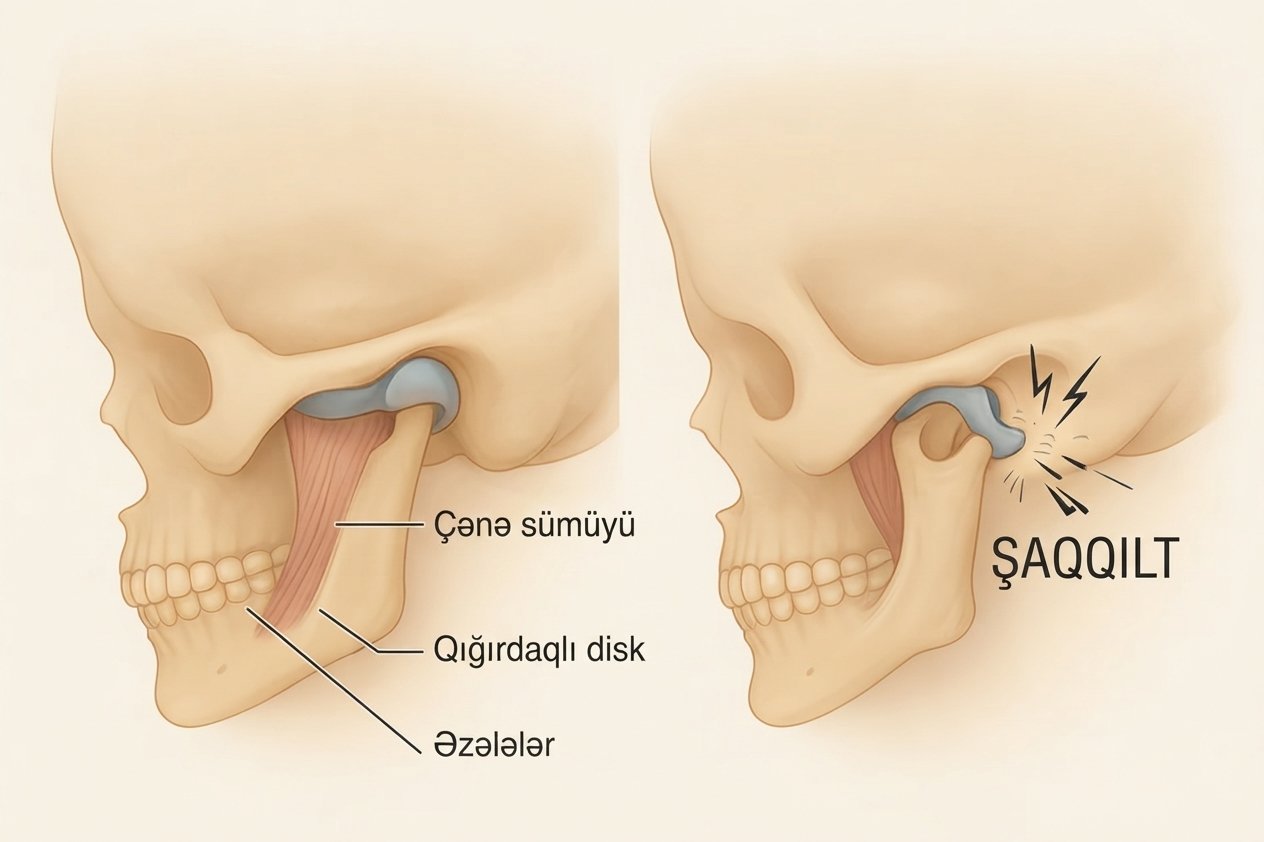
Sometimes, pain felt in the upper rear teeth can be confused with sinus problems. Pain radiating from the ear or temporomandibular joint area can also resemble a toothache. For this reason, it is essential to undergo an examination rather than self-diagnosing recurring pain.
Deep dental decay
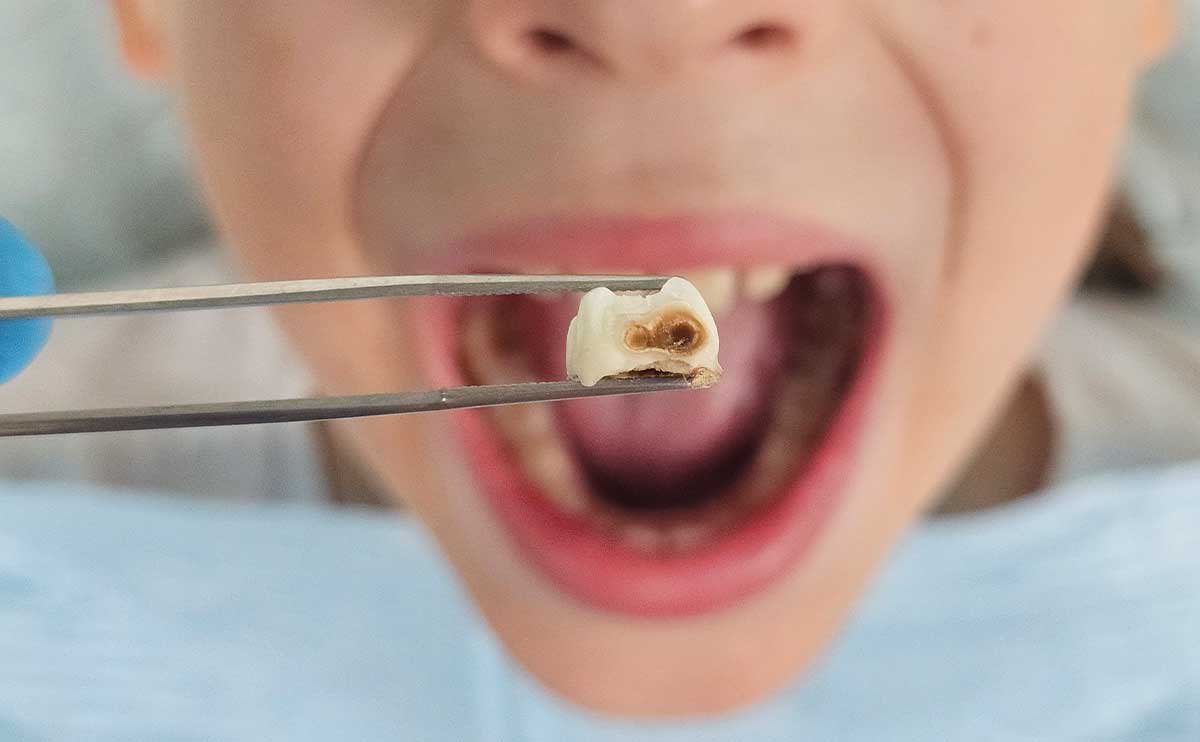
As decay progresses beyond the enamel into deeper tissues, the tooth may become sensitive to hot, cold, and sweet foods. When the damage approaches the pulp, the pain can last longer, start spontaneously, and intensify at night.
Pulpitis
Pulpitis is an inflammation of the pulp tissue inside the tooth, which consists of nerves and blood vessels. Deep decay, cracks, trauma, or repeated dental procedures can cause pulp damage.
During pulpitis, the following symptoms may be observed:
- Strong pain that starts spontaneously;
- Pain that wakes you up at night;
- Sensitivity persisting after exposure to hot and cold;
- Throbbing pain;
- Discomfort during chewing;
- Pain radiating to the ear, temple, or jaw.
If left untreated, pulp inflammation or infection can cause pain and lead to abscess formation.
Dental abscess
A dental abscess is an infection characterized by pus accumulation in the tooth, around the root, or in the gums.
Possible symptoms:
- Severe and throbbing toothache;
- Swelling in the gums, cheek, or facial area;
- Pain when touching the tooth or chewing;
- Bad taste in the mouth or pus discharge;
- High fever;
- Fatigue / general weakness;
- Difficulty opening the mouth.
An abscess does not heal safely on its own. A reduction in pain after pus drainage does not mean the infection is completely gone. A dental abscess requires urgent dental evaluation.
Cracked or broken tooth
A cracked tooth can cause sudden, sharp pain, especially when biting and chewing. Since some cracks are not visible to the naked eye, their detection may require special examination methods.
The following may be observed in a cracked tooth:
- Sharp pain when biting hard food;
- Pain when chewing pressure is released;
- Sensitivity to hot and cold;
- Intermittent, recurring pain;
- Discomfort when touching a specific part of the tooth.
Tooth cracks can create a pathway for bacteria to enter inner tissues and lead to pulp problems.
Wisdom tooth problems
Wisdom teeth tend to fail to erupt fully, grow sideways, or remain partially under the gums when there is not enough room in the jaw.
In such cases:
- Pain in the back teeth;
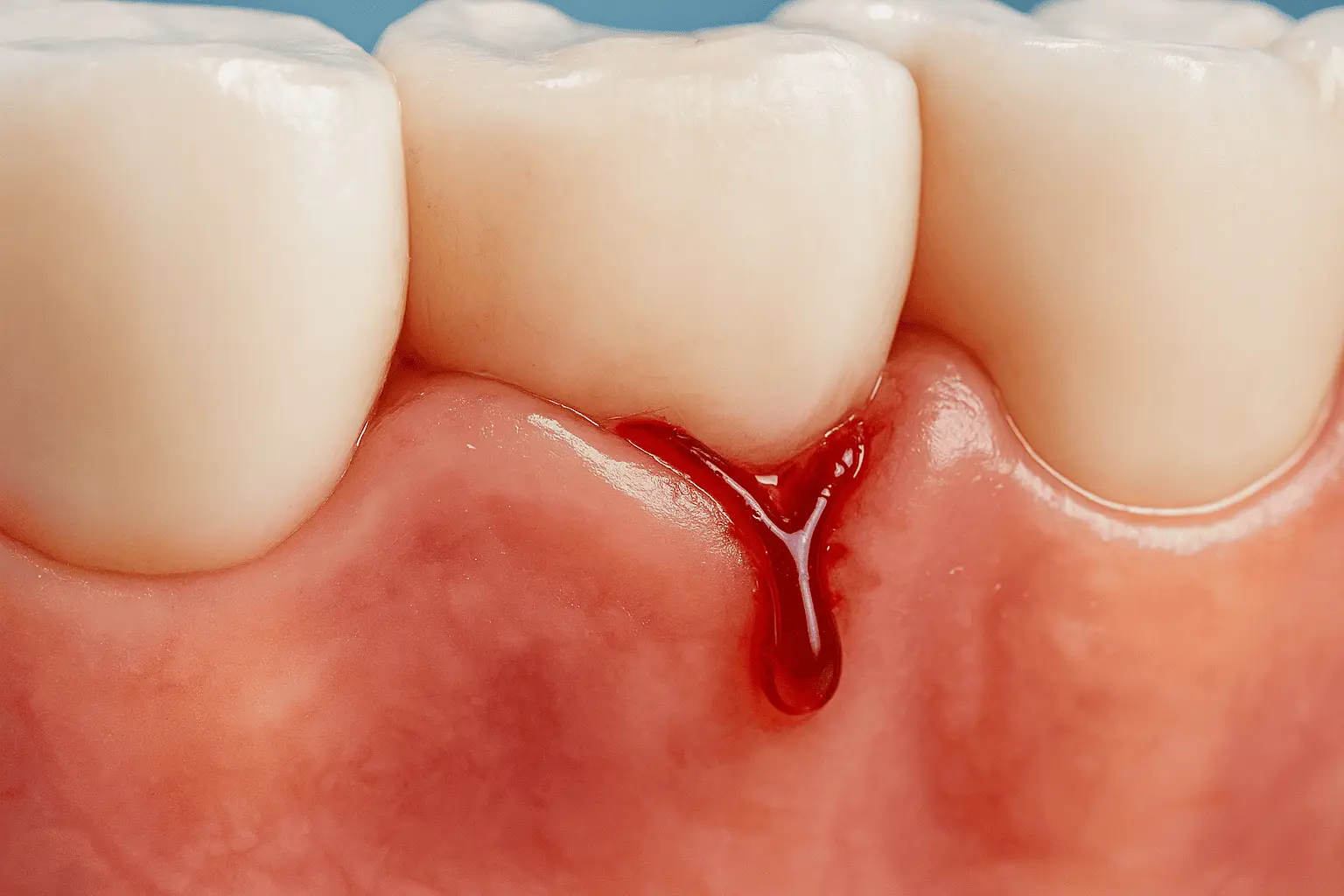
- Gum swelling;
- Difficulty opening the mouth;
- Bad taste and odor;
- Pain radiating to the ear and jaw may occur.
Accumulation of food and bacteria around a partially erupted tooth can increase the risk of inflammation.
What can the type of toothache indicate?
The onset time, duration of the pain, and factors that exacerbate it can provide initial guidance to the dentist.
| Characteristics of Pain | Possible Cause |
|---|---|
| Starts with cold or sweets and passes quickly | Tooth sensitivity or early decay |
| Persists for a long time after hot and cold | Pulp inflammation |
| Starts spontaneously and worsens at night | Deep decay or pulpitis |
| Throbbing pain accompanied by swelling | Dental abscess |
| Sharp, acute pain occurs during chewing | Cracked tooth or loose filling |
| Hurts when touching or pressing on the tooth | Periapical inflammation or trauma |
| Pain radiates to the ear, temple, or jaw | Pulp, wisdom tooth, or jaw area problem |
Persistent sensitivity after hot or cold exposure, severe pain during chewing, swollen and tender gums, deep decay, and cracked teeth are among the signs that may indicate a need for root canal treatment.
Can severe toothache go away on its own?
Toothache may weaken after a certain period, but this does not mean the tooth has healed.
When the dental pulp is severely damaged, the pain may subside. This change can be related to the loss of nerve tissue function, and the infection can continue to develop around the root.
When an abscess drains, pain may also temporarily ease due to reduced pressure. However, if the infection is not treated, it can intensify again and spread to surrounding tissues.
Even if the pain passes, an examination is important in the following cases:
- If the pain was severe before;
- If pain recurs in the same tooth;
- If sensitivity to hot and cold persists;
- If the tooth color has changed;
- If there is swelling or a pimple-like bump on the gums;
- If pain occurs during chewing.
How to relieve severe toothache at home?
Methods applied at home can help reduce discomfort until visiting the dentist. They are not a substitute for treatment.
For temporary relief:
- Rinse your mouth with warm water;
- Remove food residue between teeth using dental floss;
- Choose soft and warm foods;
- Stay away from hard, very sweet, very hot, and very cold foods;
- If there is swelling, apply a cold compress externally to the cheek;
- Keep your head slightly elevated when sleeping at night;
- Do not stop oral hygiene, but clean the painful area gently.
Do not apply ice directly to the tooth or skin. Apply the cold compress wrapped in a cloth for short intervals.
Rinsing with salt water can help maintain oral cleanliness in some adults. The solution must not be swallowed. This method may not be suitable for young children due to the risk of swallowing the solution.
Can you take painkillers during a toothache?
Over-the-counter painkillers such as paracetamol or ibuprofen can temporarily reduce acute toothache in some patients. However, these medications do not treat decay, pulpitis, or abscesses. ADA recommendations on acute dental pain involve individual assessment of appropriate pain management in children, adolescents, and adults.
Before taking medication:
- Read the patient information leaflet;
- Do not exceed the recommended dose;
- Do not combine products containing the same active substance;
- Consult a doctor or pharmacist if you have allergies or chronic illnesses;
- Do not choose medication independently during pregnancy and breastfeeding;
- Inform about stomach ulcers, kidney, liver, cardiovascular disease, or the use of blood thinners.
In children, medication dosage should be determined according to age and weight. Aspirin should not be given to children under 16 unless prescribed by a doctor.
What should NOT be done during a toothache?
The following methods do not treat the cause of toothache and can cause tissue damage:
- Placing aspirin or another tablet on the tooth;
- Puncturing the gum with a needle;
- Trying to express pus by squeezing swelling;
- Applying alcohol, cologne, or burning substances to the tooth;
- Increasing the dose of painkillers;
- Taking antibiotics prescribed for someone else;
- Applying a warm compress to swelling;
- Canceling the dental appointment because the pain subsided.
Placing aspirin directly on the gums can cause chemical burns on soft tissue.
Are antibiotics necessary during a toothache?
Not every toothache requires antibiotics. In many cases of decay, pulpitis, and periapical pain, the main approach is direct dental treatment of the tooth.
Taking antibiotics independently:
- May not eliminate the primary cause of pain;
- May delay appropriate treatment;
- May cause side effects;
- Increases the problem of antibiotic resistance.
The type, dose, and duration of antibiotics should only be determined after clinical evaluation.
When is emergency medical help needed for severe toothache?
If one of the following symptoms is present along with a toothache, the condition may require a more urgent evaluation than a regular dental appointment:
- Difficulty breathing;
- Difficulty swallowing;
- Swelling under the tongue, neck, or throat area;
- Rapidly increasing facial swelling;
- Swelling around the eyes or vision problems;
- High fever and severe weakness;
- Severe restriction in opening the mouth;
- Uncontrolled heavy bleeding;
- Severe trauma to the face and jaw area.
Seek emergency medical help if these symptoms occur.
How does a dentist determine the cause of severe toothache?
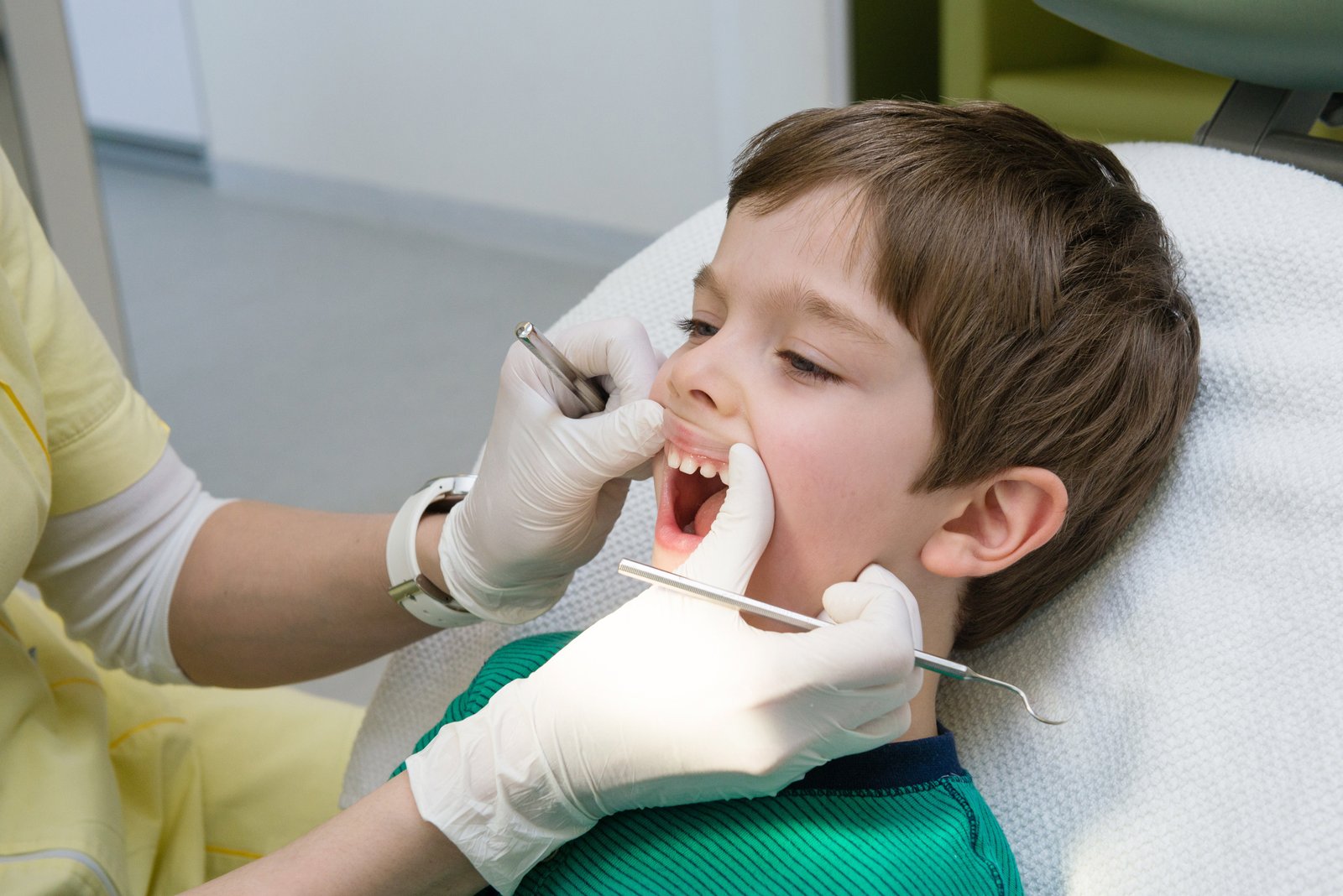
During the examination, the dentist may ask when the pain started, how long it lasted, and whether it changes with hot/cold temperatures or chewing.
Diagnostics may include the following stages:
- Visual examination of the oral cavity and gums;
- Gentle tapping and chewing tests on the tooth;
- Hot and cold sensitivity tests;
- Checking fillings and restorations;
- Evaluation of periodontal pockets;
- X-rays and additional imaging if necessary.
In some cases, finding the underlying cause of pain can be difficult. Because pain can radiate from one tooth to another, to the ear, temple, or jaw, adjacent teeth are also evaluated during the examination.
How is severe toothache treated?
Treatment is selected based on the cause of the pain, whether the tooth can be restored, and whether the infection has spread.
Filling or restoration
If the pain is associated with decay, a loose filling, or limited tooth damage, decayed tissue is cleaned, and the tooth can be protected with a filling or another restoration method.
Root canal treatment
If the pulp is irreversibly inflamed or infected, root canal treatment may be required. During this treatment, the damaged pulp is removed, and the canals are cleaned, disinfected, and filled.
The goal of root canal treatment is to eliminate the source of infection where appropriate and keep the natural tooth in the mouth. Causes of pulp inflammation and infection include deep decay, cracks, trauma, and repeated procedures on the tooth.
Abscess drainage
If pus has accumulated, the dentist may drain the abscess according to the source of infection, perform root canal treatment, or plan another intervention. Antibiotics are added only when clinically indicated.
Tooth extraction
If the tooth is damaged beyond repair, has a severe crack, or cannot be saved with other treatments, extraction may be considered. The decision is made after examination and imaging results.
Gum treatment
If the cause of pain is disease of the gums and supporting tissues of the tooth, professional cleaning and periodontal treatment may be required.
When should you consult a dentist for a toothache?
Do not delay a dentist appointment in the following cases:
- If the pain lasts for more than a day or two;
- If the pain wakes you up at night;
- If it is not sufficiently reduced by painkillers;
- If the pain recurs;
- If biting and chewing have become difficult;
- If there is swelling in the gums or cheek;
- If high fever or weakness develops;
- If there is a bad taste or pus discharge in the mouth;
- If a filling has fallen out and the tooth hurts;
- If the tooth is broken, cracked, or traumatized.
How to prevent severe toothache?
Although it is not possible to prevent all toothaches, the following habits help reduce the risk:
- Brushing teeth twice a day with fluoride toothpaste;
- Cleaning between teeth daily;
- Reducing the frequency of sugary foods and drinks;
- Not delaying preventive dental check-ups;
- Treating decay and loose fillings early;
- Consulting a dentist about a protective guard if teeth clenching is present;
- Using an appropriate mouthguard during sports;
- Not cracking hard foods and objects with your teeth.
Preventive check-ups can help identify decay, filling issues, and gum disease before pain starts.