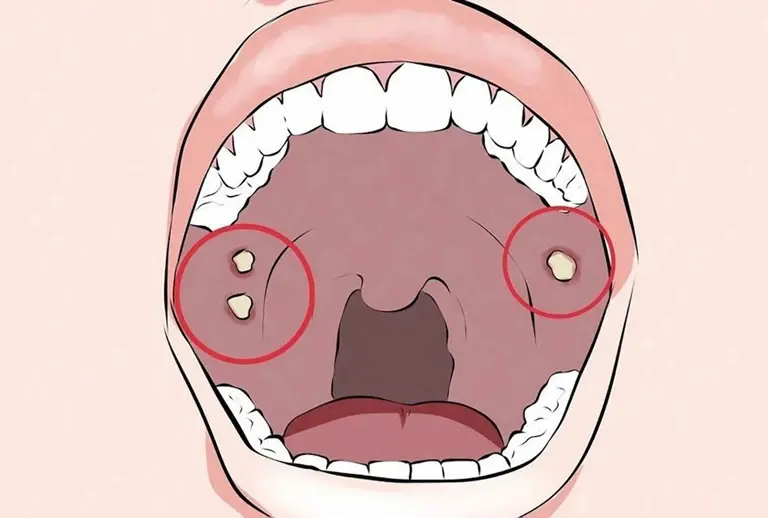
A pus-filled swelling on the palate is often a sign of a tooth root or gum infection. You should never squeeze the swelling, puncture it with a needle, or apply caustic/burning substances to it. You can rinse your mouth with warm water, choose soft foods, and consult a dentist as soon as possible.
Table of Contents
OpenA palatal abscess can be accompanied by toothache, chewing sensitivity, an unpleasant taste in the mouth, gum and facial swelling, and occasionally a fever. Even if pain subsides when the pus drains spontaneously, this does not mean the infection has resolved. A dental abscess does not heal on its own and requires professional dental treatment.
If you experience difficulty breathing, swallowing, or speaking, or notice rapidly worsening swelling in your mouth, face, or neck, call emergency services (103) immediately without waiting for a routine dental appointment.
What is pus on the palate?
A purulent (pus-filled) swelling on the palate is typically a localized focus of abscess resulting from a bacterial infection. This condition is clinically referred to as a palatal abscess.
The swelling may be soft, tense, painful, and tender to the touch. In some cases, a whitish or yellowish point can be seen on its surface. However, it is impossible to determine whether the swelling contains pus or which tooth is responsible solely based on visual appearance.
A palatal abscess often occurs when an infection starting around the root of an upper tooth spreads into the palatal tissues. The infection may also originate from the gums and the periodontal tissues that support the tooth.
Are "tooth grime / discharge" and pus on the palate the same problem?
No. "Diş çirki" (tooth grime/discharge) is not a medical term and is used colloquially to refer to distinct dental issues such as bacterial plaque, dental calculus (tartar), tooth decay (caries), or purulent swelling.
Bacterial plaque and tartar formed on the tooth surface are fundamentally different from pus accumulating within deep tissues. If there is a pus-filled swelling on the palate, professional dental cleaning alone may not be sufficient.
| Term | Meaning |
|---|---|
| Bacterial plaque | A soft, sticky layer of bacteria forming on the tooth surface |
| Dental calculus (tartar) | The hardened form of plaque that has not been cleaned in time |
| Pus, (Irin) | Fluid accumulated in tissues during an infection |
| Abscess | A localized focus of infection containing pus |
Tartar and bacterial plaque can pave the way for periodontal diseases. Advanced periodontal disease, in turn, can present with purulent lesions, foul oral taste, swelling, and tooth mobility.
A swelling that a patient perceives as mere "tooth dirt" may in fact be an active abscess. In such cases, rather than picking at, squeezing, or puncturing the area, a comprehensive dental examination is essential.
Why does pus develop on the palate?
Pus on the palate mainly arises from bacterial infections originating inside the tooth, around the root apex, or in the gum tissues. Deep dental caries, cracked teeth, trauma, periodontal disease, and recurrent issues in previously treated teeth can all lead to infection.
Deep dental caries and tooth root infection
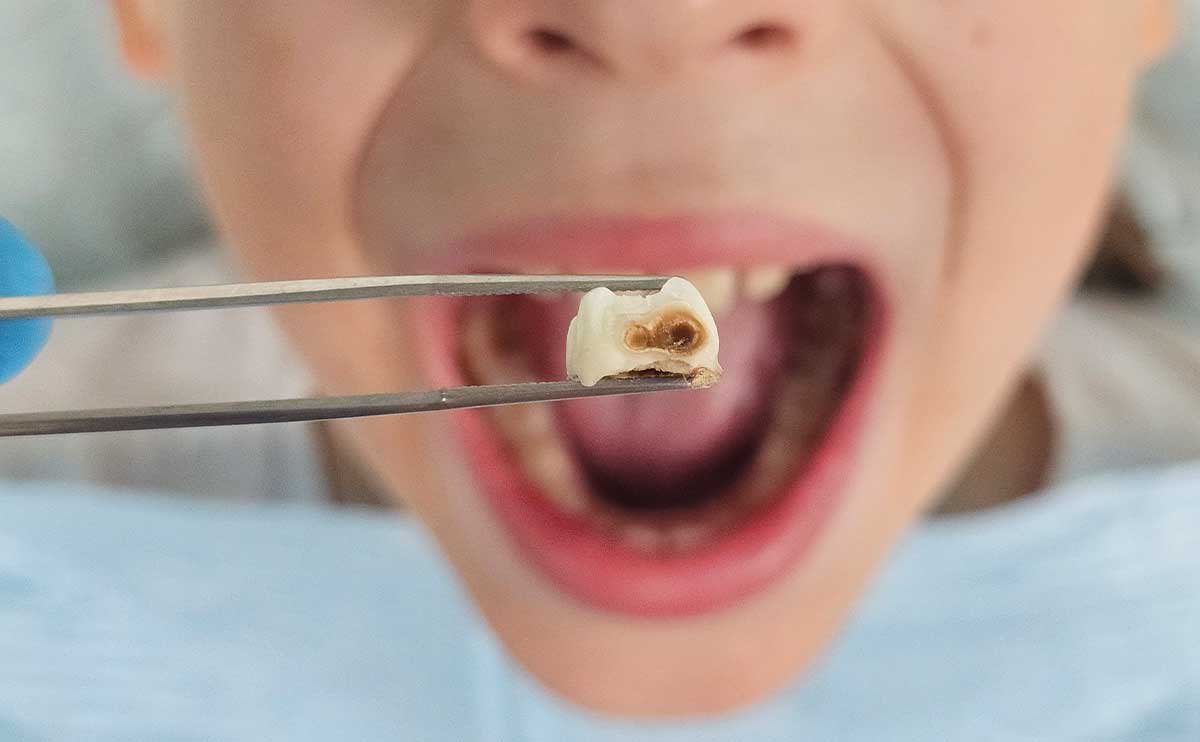
Deep dental decay allows bacteria to reach the dental pulp—the soft tissue containing nerves and blood vessels inside the tooth.
As the infection travels down the root canals, a purulent focus can form at the root apex. This typically begins with sensitivity to hot, cold, and sweet foods, followed by throbbing pain that worsens at night, discomfort during chewing, and swelling on the palate.
Once the pulp becomes necrotic (loses vitality), the pain may temporarily subside. Therefore, the disappearance of pain does not mean the infection has resolved.
Gingival and periodontal abscesses
A gingival abscess is localized to superficial gum tissue, whereas a periodontal abscess forms in deeper supporting periodontal structures.
Deep periodontal pockets, subgingival calculus, bacterial plaque, and food impaction or foreign bodies lodged under the gums increase the risk of infection.
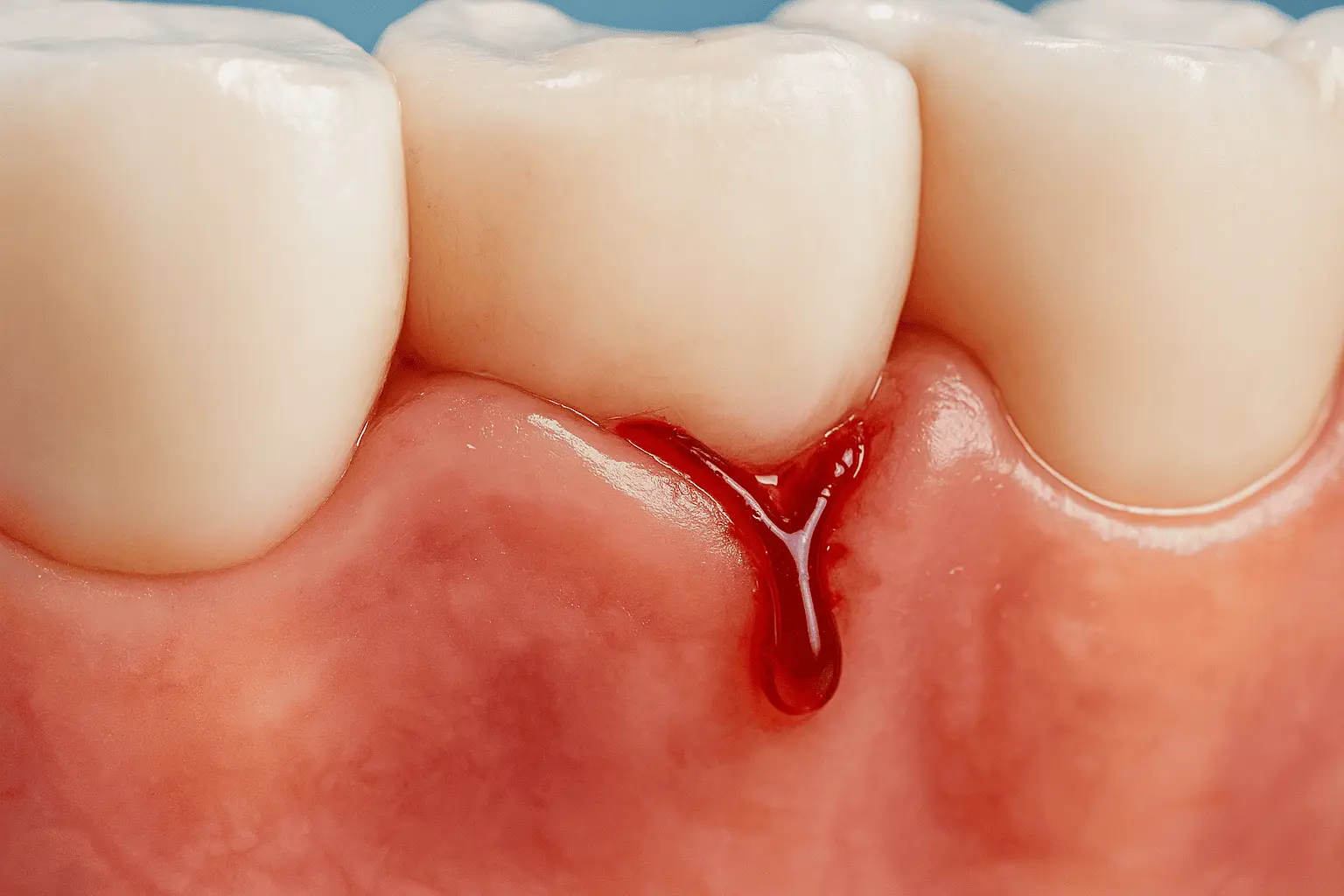
In these cases, the gum may appear red, swollen, and tender. Patients may also experience a foul taste, pain upon biting, purulent exudate along the gum margin, and tooth looseness.
Cracked or traumatized teeth
A crack in a tooth creates a pathway for oral bacteria to enter inner tissues. Even if an impact injury leaves no visible external damage, the dental pulp can still be compromised and subsequently infected.
A cracked tooth may cause sharp, sudden pain when chewing, sensitivity to temperature extremes, and eventual swelling. A traumatized tooth may also darken in color over time.
Recurrent infection in root canal-treated teeth
A previously treated tooth can become reinfected due to secondary caries, leakage around a filling or crown, a root fracture, or missed/untreated accessory root canals.
If pain, biting tenderness, palatal swelling, or a fistulous tract develops around a root-treated tooth, it must be clinically re-evaluated. In many instances, retreatment can successfully save the tooth.
What are the symptoms of pus on the palate?
A palatal abscess does not only present as a visible pustule. Pain, chewing tenderness, foul taste, gum swelling, and fever are common signs. The absence of severe pain does not rule out an abscess.
Common clinical signs and symptoms include:
- Soft or tense swelling on the palate;
- A white or yellowish pus point (fistula);
- Throbbing toothache;
- Pain upon biting and chewing;
- Persistent sensitivity to hot and cold;
- Bad taste or purulent discharge in the mouth;
- Halitosis (persistent bad breath);
- Swollen, tender gums;
- Cheek or facial swelling;
- Fever and malaise;
- Difficulty opening the mouth (trismus).
While some dental abscesses present with intense pain, others develop silently and chronically, especially after pulpal necrosis.
What could a painless, hard lump on the palate be?
Not all palatal swellings are abscesses. A hard, painless, bony growth along the midline of the hard palate that remains stable over time is typically a torus palatinus, which is a benign anatomical bony exostosis.
In addition to abscesses, palatal swellings can be caused by cysts, benign bony outgrowths, salivary gland pathologies, and other oral cavity lesions.
You should have a palatal alteration evaluated by a dentist if it is:
- Newly developed;
- Progressively growing;
- Bleeding or ulcerating;
- Painful;
- Persisting for more than a few weeks;
- Remaining unchanged after dental treatment;
- Frequently recurring.
An accurate diagnosis requires clinical evaluation and targeted diagnostic imaging.
What can be done at home when there is pus on the palate?
Home measures can only offer temporary relief from pain and discomfort while you await your dental visit. They do not treat the underlying source of infection and cannot replace professional dental care.
While waiting for your dental appointment:
- Rinse your mouth gently with warm water.
- Brush your teeth carefully with a soft-bristled toothbrush.
- Consume soft, lukewarm foods.
- Avoid extremely hot, cold, hard, acidic, or sugary foods.
- Chew on the opposite, unaffected side.
- Take over-the-counter analgesics strictly according to package instructions without exceeding the recommended dose.
- Schedule an appointment with a dentist as soon as possible.
If you are pregnant, breastfeeding, or have peptic ulcers, kidney or liver disease, drug allergies, or use anticoagulant medications, consult a doctor or pharmacist prior to taking any pain relievers.
Can you pop or drain the swelling on the palate at home?
No. Under no circumstances should you puncture the purulent swelling with a needle, pin, or sharp instrument.
Attempting to drain it at home can lead to:
- Severe bleeding;
- Tissue trauma and scarring;
- Secondary bacterial contamination;
- Infection spreading deeper into anatomical facial and neck spaces;
- Delays in receiving proper medical care.
Do not squeeze the swelling, place aspirin or other pills directly against the tissue, apply alcohol or caustic solutions, or take leftover antibiotics on your own.
If the abscess ruptures spontaneously, spit out the fluid, rinse your mouth with warm water, and avoid pressing on the area. Pain reduction does not mean the infection is resolved.
When should emergency medical care be sought for palatal swelling?
Rapidly expanding swelling of the oral cavity, face, or neck can compromise the airway and impede swallowing. In such situations, routine dental visits should not be waited for.
Emergency warning signs include:
- Difficulty breathing;
- Difficulty swallowing (dysphagia) or speaking;
- Rapidly spreading swelling in the mouth, face, or neck;
- Swelling extending around the eyes (periorbital edema);
- Severe limitation in mouth opening (trismus);
- High fever and severe lethargy;
- Rapid deterioration in general health;
- Drooling and inability to swallow in children.
In life-threatening situations in Azerbaijan, dial 103 Emergency Medical Services immediately.
How is the cause of pus on the palate diagnosed?
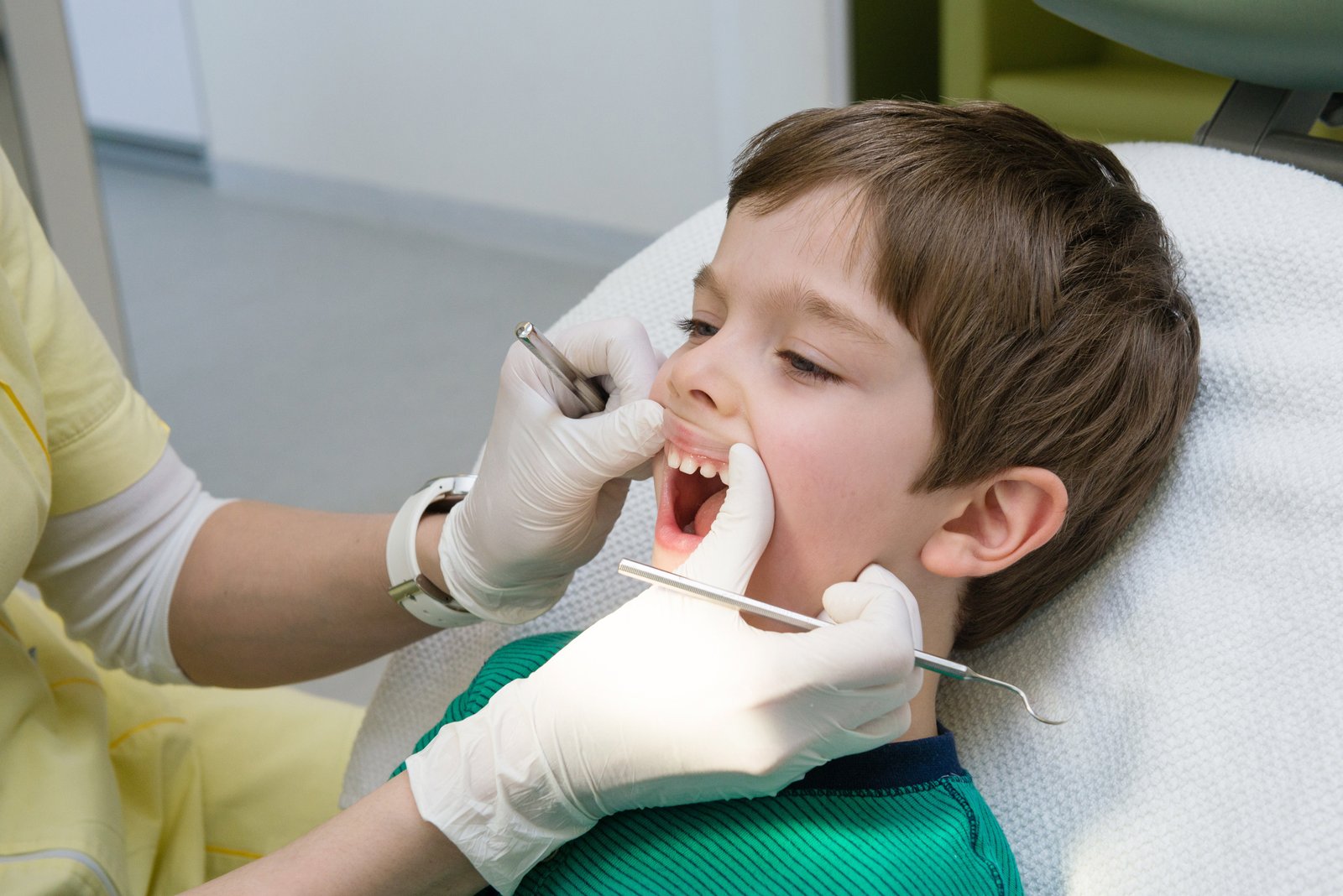
The cause of a palatal abscess is diagnosed through clinical examination, tooth vitality and percussion tests, periodontal probing, and dental radiography.
The dentist determines whether the lesion originates from the root apex, the periodontal tissues, or another oral structure.
What tests are performed during a dental examination?
Diagnostic procedures may include:
- Visual inspection and palpation of the palate and gums;
- Percussion and mobility testing of the adjacent teeth;
- Thermal sensitivity and electric pulp vitality testing;
- Bite stress testing;
- Periodontal pocket depth measurement (probing);
- Assessment of existing restorations, margins, and crowns;
- Intraoral periapical or panoramic X-rays.
Tenderness to light percussion may indicate inflammation in the periapical tissues. However, percussion alone is not conclusive and must be interpreted alongside pulp vitality and radiographic findings.
When is a CBCT scan required?
In complex, multi-rooted, or recurrent cases, 3D imaging via Cone-Beam Computed Tomography (CBCT) may be indicated.
A CBCT scan is utilized when routine clinical tests and two-dimensional radiographs are insufficient to clearly visualize root anatomy, bone destruction, or canal variations.
Damaqda irin müalicəsi: How is Treatment for Pus on the Palate Performed?
The objective of damaqda irin müalicəsi (treatment of palatal pus) is not merely to evacuate the visible fluid, but to eliminate the underlying causal tooth or gum pathology.
The treatment approach is selected according to the origin of infection, its extent, and whether the affected tooth can be preserved.
| Treatment Method | When can it be applied? |
|---|---|
| Pus, drainage — incision and drainage | When pus and tension accumulate in the tissues |
| Root canal treatment | If the infection starts inside the tooth and the tooth can be saved |
| Periodontal (gum) treatment | If the problem originates from gums or supporting periodontal structures |
| Tooth extraction | If the tooth cannot be preserved through endodontic or restorative therapy |
| Antibiotics | As an adjunct to primary dental treatment under appropriate clinical indications |
Pus drainage — Incision and drainage
Drainage involves the careful opening and emptying of the abscess cavity by a dentist under sterile conditions. This relieves tissue tension and significantly reduces acute pain.
However, drainage alone leaves the primary source of infection intact; therefore, definitive treatment of the causative tooth or periodontal pocket must follow.
Root canal treatment (Endodontic therapy)
If the infection originated from the dental pulp and the tooth is structurally salvageable, root canal treatment is performed.
During the procedure, infected pulp tissue is removed, the root canal system is thoroughly instrumented, chemically disinfected, and obturated with a biocompatible filling. The goal is to eradicate bacteria and preserve the natural tooth.
Periodontal treatment
When the abscess originates within a deep periodontal pocket, subgingival scaling, debridement of bacterial plaque and calculus, pocket irrigation, and surgical periodontal interventions may be indicated.
Therapy is tailored based on pocket depth, tooth mobility, and the degree of surrounding alveolar bone loss.
Tooth extraction
If the tooth has sustained catastrophic structural destruction, non-restorable vertical root fractures, or extensive bone loss that precludes successful endodontic/periodontal restoration, extraction becomes the safest alternative.
The feasibility of saving the tooth is determined via detailed clinical and radiographic assessment.
Are antibiotics always necessary for a palatal abscess?
No. Not every palatal abscess requires antibiotic therapy.
In immunocompetent adult patients with localized dental infections originating from the pulp or periapical region, the definitive management is mechanical intervention—namely drainage, root canal treatment, or extraction.
Systemic antibiotics are reserved as an adjunct for cases with systemic involvement, spreading cellulitis, high fever, or significant lymphadenopathy. The drug class, dosage, and duration must be decided exclusively by a dentist or medical doctor.
Self-prescribing or taking unprescribed antibiotics:
- Does not eliminate the root source of infection;
- Delays essential mechanical dental therapy;
- Carries risk of allergic reactions and side effects;
- Contributes to antimicrobial resistance.
Never take leftover antibiotics previously prescribed for unrelated conditions to treat a palatal abscess.
What should be done for a palatal abscess in children?
If a child presents with palatal swelling, toothache, elevated fever, poor feeding, or facial swelling, prompt pediatric dental evaluation is necessary.
Never give adult medications or self-dosed antibiotics to a child. The necessity of antimicrobial therapy is determined by the clinician based on the child's age, weight, and general health status.
Breathing difficulties, dysphagia, drooling, rapidly expanding facial edema, and lethargy in children constitute a pediatric medical emergency.
What should be done if pus on the palate occurs during pregnancy?
During pregnancy, active dental infections should never be left untreated in the hope they will disappear on their own. Delaying necessary intervention poses risks to both maternal and fetal well-being.
Indicated dental exams, root canal treatments, emergency drainage, simple extractions, and restorative procedures can be safely performed during pregnancy under appropriate precautions.
Be sure to inform your dentist about:
- The exact gestational week;
- All medications and supplements currently taken;
- Known drug allergies;
- Coexisting medical conditions;
- Recommendations from your obstetrician-gynecologist.
Analgesic choice during pregnancy must be verified with your healthcare provider or pharmacist, and antibiotics must be prescribed strictly by a qualified clinician.
How can a palatal abscess be prevented?
Preventing a palatal abscess relies on identifying and treating dental caries and periodontal inflammation at an early stage.
Adhere to the following preventive recommendations:
- Brush your teeth twice daily with a fluoride toothpaste;
- Clean interdental spaces daily using dental floss or interdental brushes;
- Limit the frequency of sugary snacks and acidic beverages;
- Promptly treat carious lesions, cracked teeth, or failing restorations;
- Have old fillings and prosthetic crowns regularly inspected;
- Do not ignore bleeding or swollen gums;
- Have any traumatized tooth evaluated clinically and radiographically;
- Maintain regular dental check-ups and cleanings.